

§1What this business is
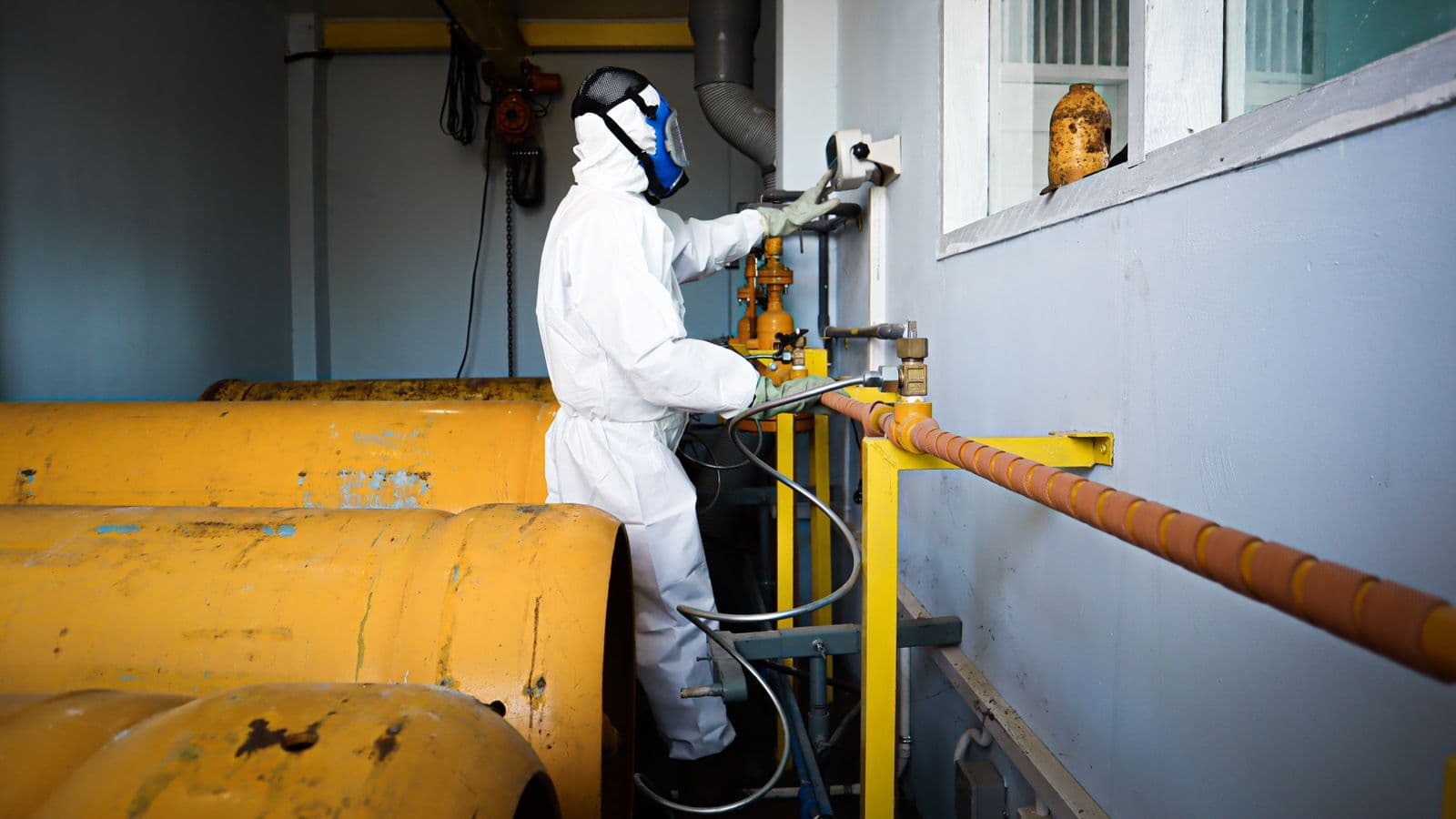
Bauxite is washed, crushed and pulverised, then digested with 60% sulphuric acid in a lead-lined reactor heated by steam for 8–10 hours to make aluminium sulphate. Glue and black ash help it settle; the clear liquor is filter-pressed, mixed with potassium sulphate, concentrated, cooled in moulds to crystallise, dried and bagged. One report says about 65% of alum goes to water treatment; it is also used as a dye mordant, in paper sizing, soaps, pickles and skin care.
Capacity: Report 1: 10,000 kg a day on a 10-hour shift, 35% used in year 1. Report 2: not printed in units; sales ₹81.85 L at 40% capacity in year 1.
§2Is it right for you?
Who it is for
Someone with chemical-plant experience and contacts with municipal water boards, textile dyers or chemical traders.
Who it is not for
Someone not ready to handle acids safely or meet pollution rules.
Advantages
- Water treatment plants buy alum in bulk all year
- Many other users: dyeing, paper, soap, pharma, pickles
- Raw materials are standard industrial chemicals
- Steady, low-tech chemical process
Drawbacks
- Handles hot concentrated sulphuric acid
- Coal-fired boiler and acid fumes need pollution control
- Low-value bulk product — freight eats margin
- Large water-treatment buyers work through tenders
Skills you need
- Acid handling and reactor operation
- Crystallisation and drying
- Boiler operation
- Tendering and bulk chemical sales
Why difficulty 3/5: Known process, but acid, boiler and pollution compliance need care.
§3Market
Who buys
- Water treatment plants and municipal bodies
- Textile dyers
- Paper mills
- Soap, pharma and cosmetic makers
How it sells
- Tenders and direct supply
- Chemical traders and wholesalers
- Retail packs for household use
Good to know
- Report 2 says almost 65% of alum goes to water treatment plants.
- Natural alum minerals are scarce in India, so alum is made from bauxite and acid.
§4Raw material & machinery
| Item | Qty | Cost |
|---|---|---|
| Jaw crusher | 1 | ₹3,00,000 |
| Micro-pulveriser | 1 | ₹2,00,000 |
| Reaction digester (lead-lined MS, with stirrer) | 1 | ₹4,00,000 |
| Crystallisation tank | 1 | ₹80,000 |
| Boiler | 1 | ₹1,20,000 |
| Water softening plant | 1 | ₹1,00,000 |
| Acid pump | 1 | ₹25,000 |
| Jacketed and non-jacketed mixing vessels | 1 | ₹1,45,000 |
| Bag filling machine | 1 | ₹1,20,000 |
| Other equipment | — | ₹50,000 |
| Report 2 also lists evaporation tanks, filter press and fluidised-bed dryer; all plant total ₹17.50 lakh | — | ₹17.50 lakh |
From: PMEGP sample project report — Alum Manufacturing Unit (prepared by Udyami/Samadhan) · PMEGP sample project report — Alum (Phitkari) Manufacturing Unit (prepared by Udyami/Samadhan)
- Bauxiteabout 60% alumina, under 3% ferric oxide (report 2)
- Concentrated sulphuric acid (60%)reacts with bauxite to form aluminium sulphate
- Potassium sulphate (99% pure)added for crystallisation
- Flaked glue and black ash (barium sulphide)for settling and removing iron
- Distilled waterprocess water
From: PMEGP sample project report — Alum (Phitkari) Manufacturing Unit (prepared by Udyami/Samadhan) · PMEGP sample project report — Alum Manufacturing Unit (prepared by Udyami/Samadhan)
In our raw material database
§5Licences & registration
- Udyam
- GST
- Fire NOC
- Pollution Control Board NOC
- Trade licence
- Factory licence
- Boiler registration under the Boilers Act
- Import Export Code (if exporting)
§6Schemes & subsidies
Both PMEGP sample projects are about ₹24 L, within the manufacturing limit; CGTMSE can cover the collateral-free loan.
§7Money
How the investment is worked out: Report 1: plant & machinery ₹15.40 L + furniture ₹1.00 L + working capital ₹7.49 L = ₹23.89 L (own ₹2.39 L, term loan ₹14.76 L, working capital ₹6.74 L). Report 2: plant & machinery ₹17.50 L + other misc assets ₹1.00 L + working capital ₹5.56 L = ₹24.06 L (own ₹2.41 L, term loan ₹16.65 L, working capital loan ₹5.00 L). Land and building rented in both.
Working capital: Report 1: ₹7.49 L (bank ₹6.74 L), 10 days of raw material and 15 days of finished goods. Report 2: ₹5.56 L (bank ₹5.00 L).
Year not printed on the reports — check current machinery prices.
§8Export potential
Export council / board: CHEMEXCIL
- The reports print no HS code; confirm the ITC(HS) line with DGFT before exporting.
§9Risks — where people fail
- Acid accidents
- Pollution-board action
- Bauxite and acid price changes
- Payment delays on government tenders
§1030 / 60 / 90-day plan
A general plan that applies to any business. A plan for this business will be added after research.
- Days 1–30: Visit a working alum (phitkari) manufacturing unit, ask 10 buyers about price and quantity, and get quotations from 3 suppliers.
- Days 31–60: Udyam and the licences you need (Udyam, GST), a project report (DPR), and the scheme or loan file.
- Days 61–90: Space and machines, trial production, and first deliveries to 10 customers.
§11Who to connect with
Associations, clusters and training institutes — the directory is being built. Connect
§12Watch
There is no episode on this business yet. Shows are coming soon on the Podcast page.
Want to start Alum (Phitkari) Manufacturing?
DPR, loan file or registration — ask us on WhatsApp.
¶Sources
- PMEGP sample project report — Alum Manufacturing Unit (prepared by Udyami/Samadhan)
- PMEGP sample project report — Alum (Phitkari) Manufacturing Unit (prepared by Udyami/Samadhan)
Data review: 6 October 2026. Spotted a mistake? Report it. For information only — not legal or financial advice.