

§1What this business is
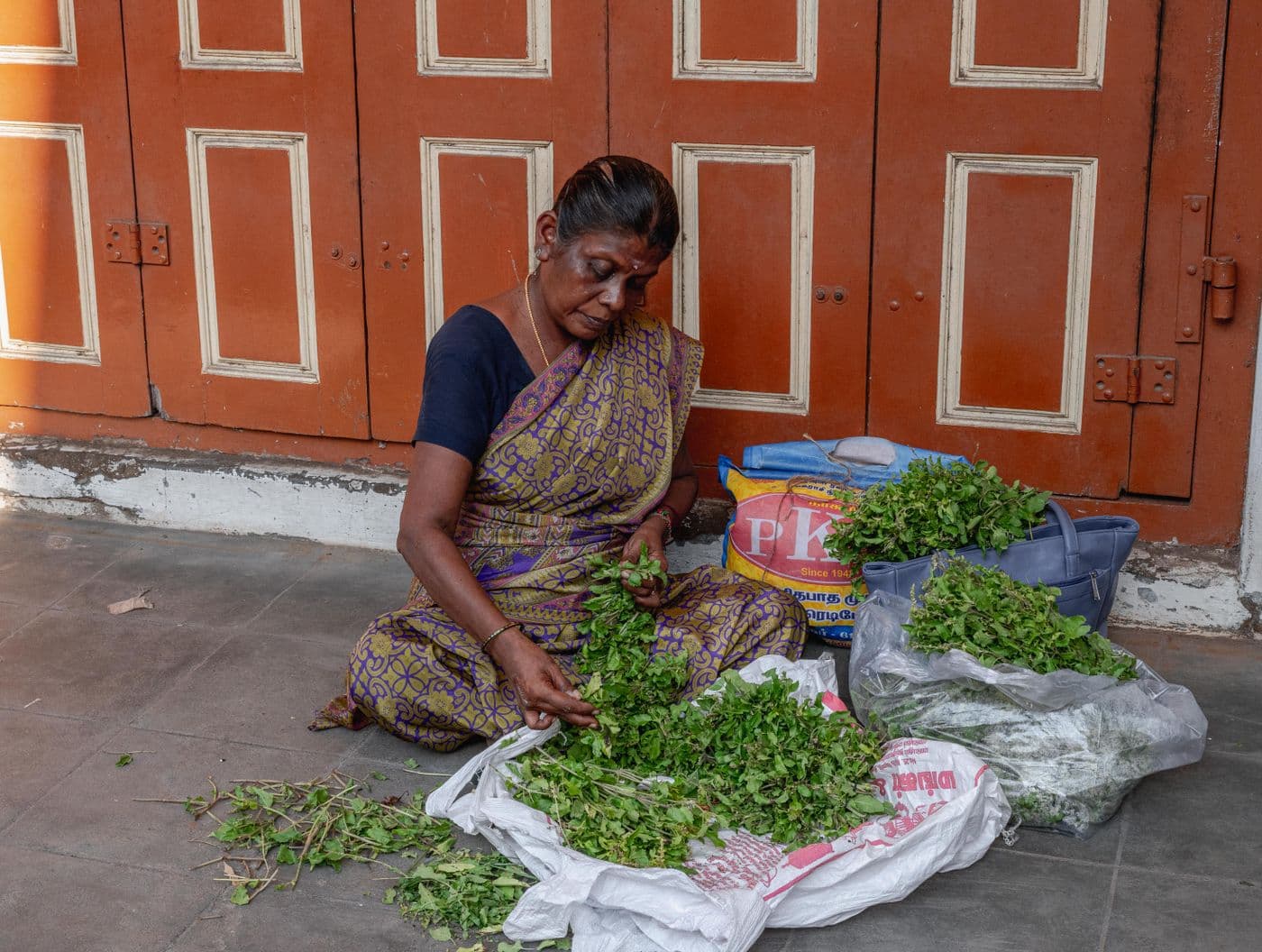
The hub combines a 10-hectare medicinal-plant farm with a processing plant (cleaning, drying, extraction, packing), a quality and research laboratory, a training centre for local farmers, a visitor centre with a shop for tourists, and an online store. It makes herbal extracts, medicinal powders, herbal teas, wellness formulations and gift packs, using its own herbs and herbs bought from growers.
Capacity: A year: herbal extracts 30,000 litres, medicinal powders 50,000 kg, herbal teas 1,00,000 boxes, wellness formulations 40,000 units and gift packs 25,000 units.
§2Is it right for you?
Who it is for
An experienced company, cooperative or investor group with capital and herbal-industry know-how.
Who it is not for
A first-time founder — the size and complexity need an established team.
Advantages
- Uttarakhand's flora gives an authentic Himalayan story
- Tourist footfall supports a visitor centre and shop
- Many product lines spread the risk
- Training local farmers secures supply
Drawbacks
- ₹12 crore investment, 70% on loan
- Two loss-making years and a heavy interest bill
- Farm, factory, lab and tourism all at once — hard to manage
- Debt-to-equity of 4.75 in year 1
Skills you need
- Large-farm and supply-chain management
- GMP manufacturing and laboratory quality control
- Tourism and retail operations
- Raising and managing large project finance
Why difficulty 5/5: A ₹12 crore, multi-part project with two loss years — only for experienced, well-funded teams.
§3Market
Who buys
- Tourists and wellness travellers at the visitor centre
- Online consumers
- Pharmaceutical and wellness companies
- Export buyers
How it sells
- Visitor-centre shop
- E-commerce platform
- Long-term supply contracts
- Export markets
Good to know
- Selling prices in the report: extracts ₹850 a litre, powders ₹320 a kg, teas ₹120 a box, formulations ₹275, gift packs ₹220.
- The report cites over 1,700 medicinal plant species in Uttarakhand.
§4Raw material & machinery
| Item | Qty | Cost |
|---|---|---|
| Processing equipment (cleaning, drying, extraction, packing) | 1 lot | ₹1,85,00,000 |
| Laboratory equipment | 1 lot | ₹95,00,000 |
From: Uttarakhand DUY project profile — Forest Based Medicinal Hub
- Fresh medicinal herbs, self-grown80,000 kg a year at ₹80 a kg
- Medicinal herbs bought from growers45,000 kg a year at ₹120 a kg
- Processing additives15,000 kg a year at ₹75 a kg
- Packing material and labels12,50,000 units a year at ₹8 and ₹2 a unit
From: Uttarakhand DUY project profile — Forest Based Medicinal Hub
§5Licences & registration
- AYUSH manufacturing licence from the state licensing authority
- GMP certification (report)
- FSSAI licence for herbal teas
- Organic certification under NPOP (report)
- Uttarakhand Pollution Control Board consent
- Factory licence
- Forest department permits for any wild collection
- Udyam and GST
§6Schemes & subsidies
- AIFCentralUnclear3% interest subvention, up to ₹2 crore
- CGTMSECentralActiveNo collateral, up to ₹10 crore
AIF can cover post-harvest processing and storage parts of the project; CGTMSE guarantees MSE loans up to ₹10 crore without collateral. The project is far above PMEGP and MUDRA limits.
§7Money
How the investment is worked out: Land 10 ha ₹250 L + buildings & infrastructure ₹375 L + processing equipment ₹185 L + laboratory ₹95 L + visitor centre ₹65 L + initial plantation ₹45 L + pre-operative ₹35 L + contingency (15%) ₹157.5 L = ₹1,207.5 L (₹12.08 crore). Finance: own ₹362.25 L (30%), term loan ₹845.25 L (70%).
Working capital: Net working capital ₹165.75 L (3 months of raw material, 45 days of receivables, 1 month of expenses) — not included in the ₹12.08 crore project cost.
Year not printed on the DUY profile — check current machinery prices.
§8Export potential
Confirm the HS code in the DGFT ITC(HS) lookup before you export
Export council / board: Not verified yet
- Check the exact 8-digit code in the DGFT ITC-HS list before shipping.
§9Risks — where people fail
- Over-harvesting or permit issues for wild medicinal plants
- GMP and organic certification delays
- Cash flow in the first two years
- Regulatory changes for herbal products
§1030 / 60 / 90-day plan
A general plan that applies to any business. A plan for this business will be added after research.
- Days 1–30: Visit a working forest-based medicinal hub unit, ask 10 buyers about price and quantity, and get quotations from 3 suppliers.
- Days 31–60: Udyam and the licences you need (AYUSH manufacturing licence from the state licensing authority, GMP certification (report)), a project report (DPR), and the scheme or loan file.
- Days 61–90: Space and machines, trial production, and first deliveries to 10 customers.
§11Who to connect with
Associations, clusters and training institutes — the directory is being built. Connect
§12Watch
There is no episode on this business yet. Shows are coming soon on the Podcast page.
Want to start Forest-Based Medicinal Hub?
DPR, loan file or registration — ask us on WhatsApp.
¶Sources
Data review: 6 October 2026. Spotted a mistake? Report it. For information only — not legal or financial advice.