

§1What this business is
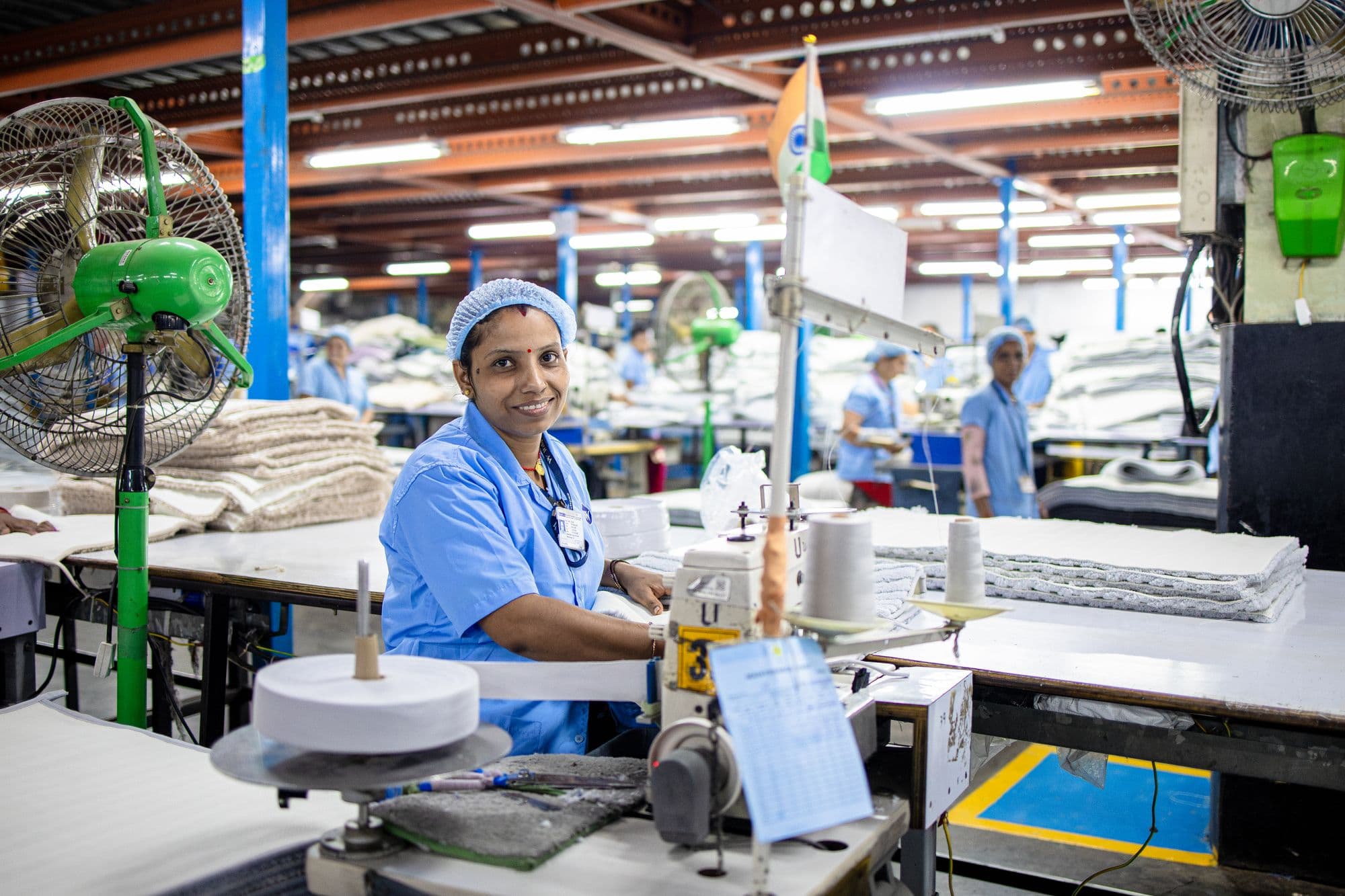
A design studio turns themes such as Himalayan flowers and animals, Harela, Kumaoni and Garhwali folk stories and Char Dham motifs into digital designs. The unit weaves them on power and jacquard looms or prints them on digital textile printers, then dyes, embroiders and finishes the cloth. Fabrics go into garments, scarves, curtains, cushion covers, bed linen and upholstery, and are sold to designers, boutiques, export houses and through its own showroom.
§2Is it right for you?
Who it is for
A textile designer or mill professional with capital and links to boutiques, designers or export houses.
Who it is not for
A founder with no textile background or buyer network.
Advantages
- Themed fabric sells at a higher price than plain mass-market cloth
- Local stories and motifs give a brand nobody else can copy easily
- Designers, boutiques and export houses buy limited collections
- Hand embroidery and block print work for local women artisans
Drawbacks
- ₹1.15 Cr project with 50 staff — large for a first venture
- Fashion demand changes quickly; unsold designs pile up
- Dyeing needs effluent treatment and pollution clearances
- Big mills can copy a popular print at lower cost
Skills you need
- Textile design and colour sense
- Weaving, digital printing and dyeing
- Quality control for colour fastness
- Selling collections to designers and exporters
Why difficulty 4/5: Large capital, many staff, dyeing compliance and a fast-changing fashion market.
§3Market
Who buys
- Fashion designers and boutiques
- Export houses
- Garment and home-furnishing brands
- Hotels and resorts (furnishings)
- Tourists and urban buyers
How it sells
- Direct sales to designers and boutiques
- Own showroom
- Exclusive limited-edition collections
- Export orders
Good to know
- The profile says themed fabrics have a higher perceived value and suit niche, premium markets.
- Waste fabric is to be reused in accessories and crafts.
§4Raw material & machinery
| Item | Qty | Cost |
|---|---|---|
| Power looms and jacquard looms | 4 | — |
| Digital textile printers | 2 | — |
| Embroidery and embellishment machines | — | — |
| Dyeing and finishing units | — | — |
| Cutting and packing machines | — | — |
| Machinery & equipment in total | — | ₹45,00,000 |
From: Uttarakhand DUY project profile — Theme-Based Cloth Manufacturing Unit in Uttarakhand
- Cotton, silk, linen, wool and hemp yarn or fabricfrom cooperatives and suppliers in Uttarakhand, Punjab and Uttar Pradesh
- Natural and eco-friendly dyes
- Embroidery threads and printing inks
From: Uttarakhand DUY project profile — Theme-Based Cloth Manufacturing Unit in Uttarakhand
§5Licences & registration
- Udyam registration
- GST registration
- State Pollution Control Board consent to establish and operate (dyeing effluent)
- Factory licence
- Design registration under the Designs Act for key patterns (optional)
- Handloom Mark for handwoven lines (optional)
§6Schemes & subsidies
- CGTMSECentralActiveNo collateral, up to ₹10 crore
- Stand-Up IndiaCentralClosed₹10 lakh – ₹1 crore loan
At ₹1.15 Cr the project is above PMEGP and MUDRA limits; the profile names CGTMSE for a collateral-free loan; Stand-Up India loans for SC/ST and women founders can cover part of the bank share.
§7Money
How the investment is worked out: Land & building ₹30 L + machinery & equipment ₹45 L + furniture & office ₹3 L + pre-operative ₹2 L + first-year salaries & wages ₹20 L + working capital & marketing ₹15 L = ₹1.15 Cr.
Working capital: Working capital and marketing ₹15 L. Finance: 30% promoter, 60% term loan from a bank or SIDBI, 10% capital subsidy.
Year not printed on the profile — check current machinery and material prices.
§8Export potential
Confirm the HS code in the DGFT ITC(HS) lookup before you export
Export council / board: TEXPROCIL (Cotton Textiles Export Promotion Council); HEPC for handloom fabric
- Silk, wool and blended fabrics fall under other headings — confirm the 8-digit ITC(HS) line with DGFT.
- You need an Import Export Code (IEC) from DGFT before the first shipment.
§9Risks — where people fail
- Unsold seasonal collections
- Design copying
- Effluent and pollution compliance for dyeing
- Long credit periods from boutiques and export houses
§1030 / 60 / 90-day plan
A general plan that applies to any business. A plan for this business will be added after research.
- Days 1–30: Visit a working theme-based designer fabrics (himalayan motifs) unit, ask 10 buyers about price and quantity, and get quotations from 3 suppliers.
- Days 31–60: Udyam and the licences you need (Udyam registration, GST registration), a project report (DPR), and the scheme or loan file.
- Days 61–90: Space and machines, trial production, and first deliveries to 10 customers.
§11Who to connect with
Associations, clusters and training institutes — the directory is being built. Connect
§12Watch
There is no episode on this business yet. Shows are coming soon on the Podcast page.
Want to start Theme-Based Designer Fabrics (Himalayan Motifs)?
DPR, loan file or registration — ask us on WhatsApp.
¶Sources
Data review: 6 October 2026. Spotted a mistake? Report it. For information only — not legal or financial advice.