

§1What this business is
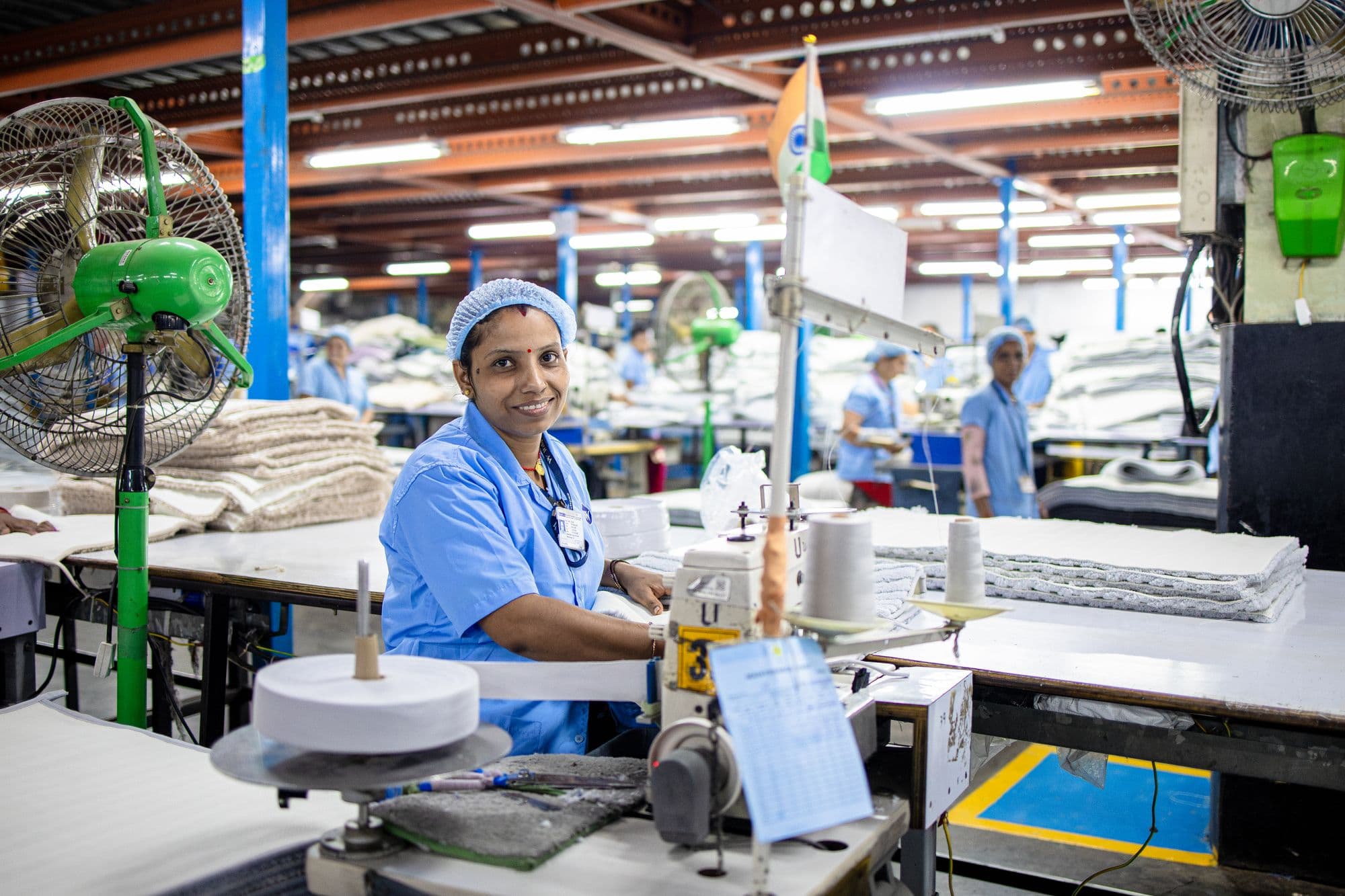
Dry pine needles and pine wood waste are shredded, the fibre is extracted, pulped, softened and refined, blended (cotton can be added for strength), carded and ring-spun into yarn, and woven on power looms into plain, duck or basket-weave canvas. The fabric is coated (water-resistant, wax, resin, fire-retardant or anti-fungal), dried, tested for strength, shrinkage and GSM, and sold in rolls or cut sheets. Buyers are bag and tent makers, footwear and upholstery units, artists' suppliers, an own eco-bag brand, institutions and export buyers. It is a ₹6 crore plant with an untested technology at commercial scale.
Capacity: The profile prints no output figure; it targets 60% capacity use within 3 years.
§2Is it right for you?
Who it is for
An established textile company or investor group with textile engineers and R&D partners.
Who it is not for
Small or first-time entrepreneurs — the technology risk and capital are too high.
Advantages
- Turns fire-prone forest litter into a product
- Less dependence on water-hungry cotton
- Distinctive eco-textile with export interest
- Large rural collection employment
Drawbacks
- Pine fibre is stiff and weak; the profile itself suggests blending with cotton or hemp
- Very high capital — ₹6 crore
- Technology is not proven at commercial scale; R&D tie-ups needed
- Needle collection is seasonal and needs forest permissions
Skills you need
- Natural-fibre processing and spinning
- Weaving and technical finishing
- Textile testing and quality control
- B2B and export selling
Why difficulty 5/5: Unproven technology, ₹6 crore of capital and a new fabric to sell.
§3Market
Who buys
- Bag and tent manufacturers
- Footwear-lining and upholstery units
- Artists' material suppliers
- Government and institutional buyers
- Export buyers
How it sells
- Bulk B2B supply contracts
- Own eco-bag retail brand
- Institutional and government procurement
- Export orders
Good to know
- By year 5 the profile expects B2B industrial supply 50%, own eco-bag brand 20%, institutional 15%, export 10% and artist canvas 5% of revenue.
- The profile estimates 45,000–80,000 tonnes of pine litter a year in each of five districts.
§4Raw material & machinery
| Item | Qty | Cost |
|---|---|---|
| Pine needle shredder | 2 | ₹12,00,000 |
| Fibre extraction machine | 2 | ₹18,00,000 |
| Pulping unit | 1 | ₹25,00,000 |
| Fibre refining unit | 1 | ₹15,00,000 |
| Spinning machine | 4 | ₹40,00,000 |
| Industrial looms | 6 | ₹60,00,000 |
| Finishing and coating unit | 1 | ₹22,00,000 |
| Drying chamber | 1 | ₹10,00,000 |
| Testing equipment | 1 set | ₹8,00,000 |
- Pine needles (chir pine, Pinus roxburghii)dry, mature needles collected from forest floors in Almora, Pauri, Tehri, Nainital and Uttarkashi
- Pine wood wastefor pulp
- Natural binders and organic dyesprocessing and colouring
- Cotton reinforcement fibreoptional blend for strength
§5Licences & registration
- Udyam and GST registration
- Factory licence
- Pollution Control Board consent to establish and operate (pulping and coating discharge)
- Fire NOC
- Forest Department or van panchayat permission for pine-needle collection
- Trademark registration
- IEC for exports
§6Schemes & subsidies
- CGTMSECentralActiveNo collateral, up to ₹10 crore
- Stand-Up IndiaCentralClosed₹10 lakh – ₹1 crore loan
CGTMSE covers collateral-free loans up to ₹10 crore; Stand-Up India lends up to ₹1 crore to SC/ST and women founders. The profile does not set out a means of finance.
§7Money
How the investment is worked out: Land and building ₹1.50 crore + machinery ₹2.30 crore + pre-operative ₹0.40 crore + working capital ₹1.80 crore = ₹6.00 crore (approx., as printed). The machinery table lists ₹2.10 crore and the text gives ₹2.10–2.50 crore.
Working capital: ₹1.80 crore working capital in the ₹6.00 crore project.
Year not printed on the DUY profile — check current prices.
§8Export potential
The profile plans export sales but prints no HS code; a blended pine-fibre canvas needs its ITC(HS) line confirmed with DGFT or a customs broker.
§9Risks — where people fail
- Fibre strength not meeting buyer specs
- Seasonal or blocked raw-material collection
- Slow market acceptance of a new fabric
- Chemical effluent from pulping and finishing
§1030 / 60 / 90-day plan
A general plan that applies to any business. A plan for this business will be added after research.
- Days 1–30: Visit a working pine fibre canvas fabric unit, ask 10 buyers about price and quantity, and get quotations from 3 suppliers.
- Days 31–60: Udyam and the licences you need (Udyam and GST registration, Factory licence), a project report (DPR), and the scheme or loan file.
- Days 61–90: Space and machines, trial production, and first deliveries to 10 customers.
§11Who to connect with
Associations, clusters and training institutes — the directory is being built. Connect
§12Watch
There is no episode on this business yet. Shows are coming soon on the Podcast page.
Want to start Pine Fibre Canvas Fabric?
DPR, loan file or registration — ask us on WhatsApp.
¶Sources
Data review: 6 October 2026. Spotted a mistake? Report it. For information only — not legal or financial advice.