

§1What this business is
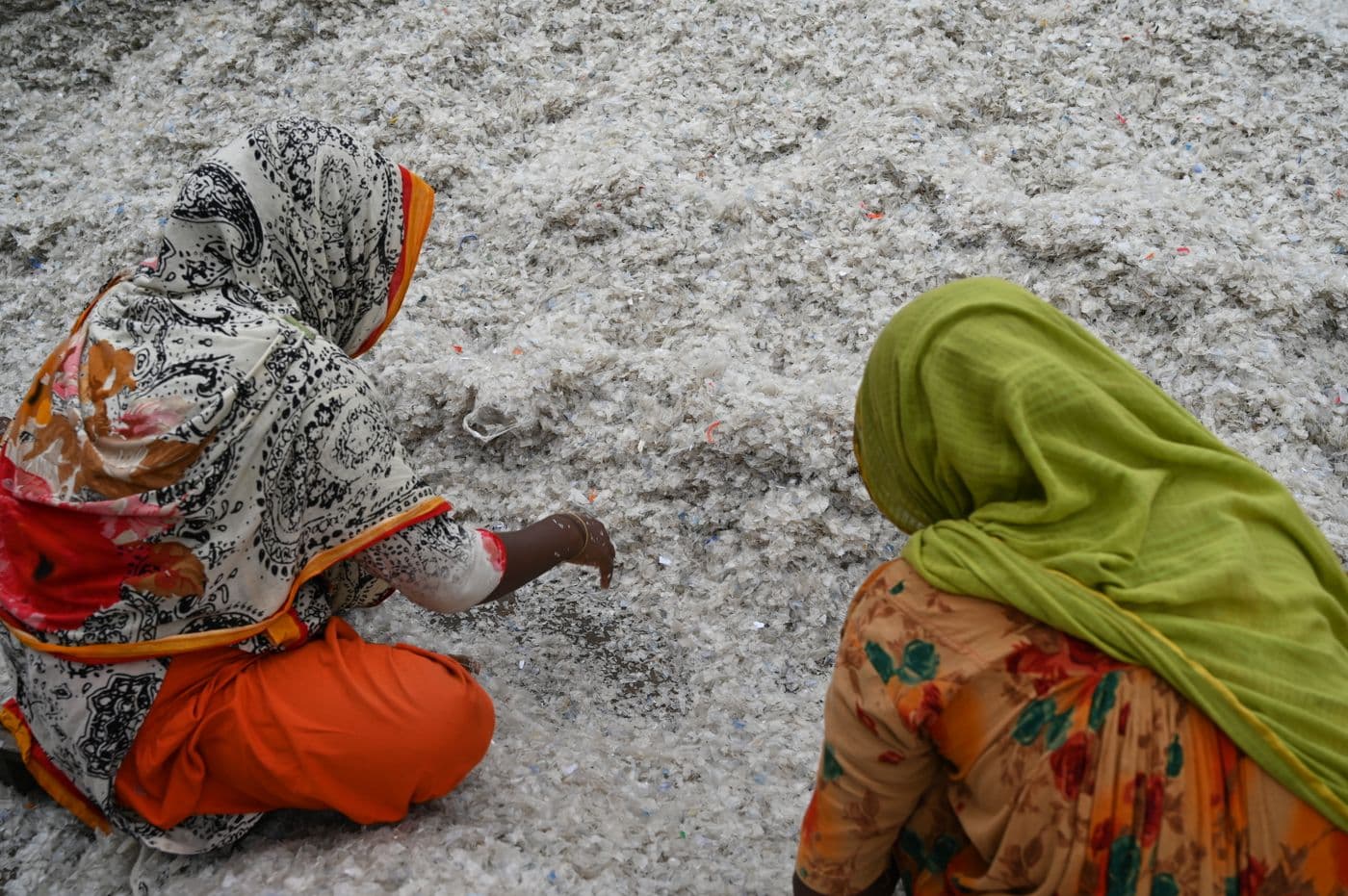
The unit buys fabric waste from garment and textile units, cuts it into pieces, opens it layer by layer into fibre in an opener, cleans it, and presses it into bales. The recovered cotton fibre is sold for re-spinning, filling and other uses. It turns post-industrial and post-consumer textile waste into raw material.
Capacity: 3,000 kg a day in two 8-hour shifts; year 1 at 40%.
§2Is it right for you?
Who it is for
Someone near a garment or textile cluster (Panipat, Tiruppur, Ludhiana, Noida) who can lock in steady waste supply.
Who it is not for
Someone without a reliable power connection or a source of fabric waste.
Advantages
- Cheap raw material — fabric waste at ₹20 a kg in year 1 of the report
- Low break-even (26%)
- Growing push for recycled fibre and less landfill
- Simple dry process with no dyeing
Drawbacks
- Heavy power load (100 HP)
- Waste supply quality varies from lot to lot
- Dust and fire risk in the opening section
- Fibre price follows the virgin cotton market
Skills you need
- Sorting waste by fibre and colour
- Running opener and cleaner lines
- Buying waste lots at the right price
- Selling to spinners and fillers
Why difficulty 3/5: Process is simple, but you need big power, steady waste supply and fire safety.
§3Market
Who buys
- Spinning mills making recycled yarn
- Makers of quilts, mattresses and fillings
- Non-woven and felt makers
How it sells
- Direct sale to mills
- Fibre brokers and traders
- Contract recycling for garment exporters
Good to know
- Raw material is ₹68.40 lakh of ₹112.40 lakh sales in year 1.
- The report cites 80% of discarded textiles as recyclable, against about 25% recycled now.
§4Raw material & machinery
| Item | Qty | Cost |
|---|---|---|
| Cotton carding machine — opener (650 mm) and cleaner (250 mm) | 1 | ₹10.80 lakh |
| Motors (30 HP x2, 7.5 HP x5, 5 HP x2, 3 HP x2) with control panel and remote box | — | ₹4,23,400 |
| Carding machine spare — cyclone | — | ₹75,000 |
| Hydraulic bale press, 50-tonne pressure | 1 | ₹2,15,000 |
| Fabric waste cutting machine (6 moving and 2 fixed blades) | 1 | ₹2,45,000 |
From: PMEGP sample project report — Textile Recycling (prepared by Udyami/Samadhan)
- Fabric wastepre-consumer cuttings from yarn, fabric and garment making, and post-consumer garments; ₹20 a kg in year 1 of the report
From: PMEGP sample project report — Textile Recycling (prepared by Udyami/Samadhan)
In our raw material database
§5Licences & registration
- Udyam registration
- GST registration
- State Pollution Control Board NOC
- Fire NOC
- Trademark (optional) for the brand
§6Schemes & subsidies
PMEGP fits this ₹28.67 lakh manufacturing project; CGTMSE gives collateral-free cover. MUDRA's ₹20 lakh limit is below the report's term-loan plus working-capital need.
§7Money
How the investment is worked out: Sample report total ₹28.67 lakh: plant & machinery ₹20.50 lakh, furniture & fixtures ₹1.50 lakh, working capital ₹6.67 lakh. Land of 3,500–4,000 sq ft own or rented. Finance: term loan ₹19.80 lakh, working-capital loan ₹6.00 lakh, own share ₹2.87 lakh.
Working capital: Working capital ₹6.67 lakh (bank ₹6.00 lakh) for waste stock and buyer credit.
Year not printed on the sample report — check current machinery prices.
§8Export potential
Confirm the HS code in the DGFT ITC(HS) lookup before you export
Export council / board: Cotton Textiles Export Promotion Council (TEXPROCIL)
- Get an IEC and RCMC before exporting fibre.
- Check DGFT export policy for cotton waste before signing contracts.
§9Risks — where people fail
- Fire in cotton dust
- Unsteady waste supply
- Fibre price swings
- Power cuts stopping the line
§1030 / 60 / 90-day plan
A general plan that applies to any business. A plan for this business will be added after research.
- Days 1–30: Visit a working textile (fabric waste) recycling unit, ask 10 buyers about price and quantity, and get quotations from 3 suppliers.
- Days 31–60: Udyam and the licences you need (Udyam registration, GST registration), a project report (DPR), and the scheme or loan file.
- Days 61–90: Space and machines, trial production, and first deliveries to 10 customers.
§11Who to connect with
Associations, clusters and training institutes — the directory is being built. Connect
§12Watch
There is no episode on this business yet. Shows are coming soon on the Podcast page.
Want to start Textile (Fabric Waste) Recycling?
DPR, loan file or registration — ask us on WhatsApp.
¶Sources
Data review: 6 October 2026. Spotted a mistake? Report it. For information only — not legal or financial advice.