

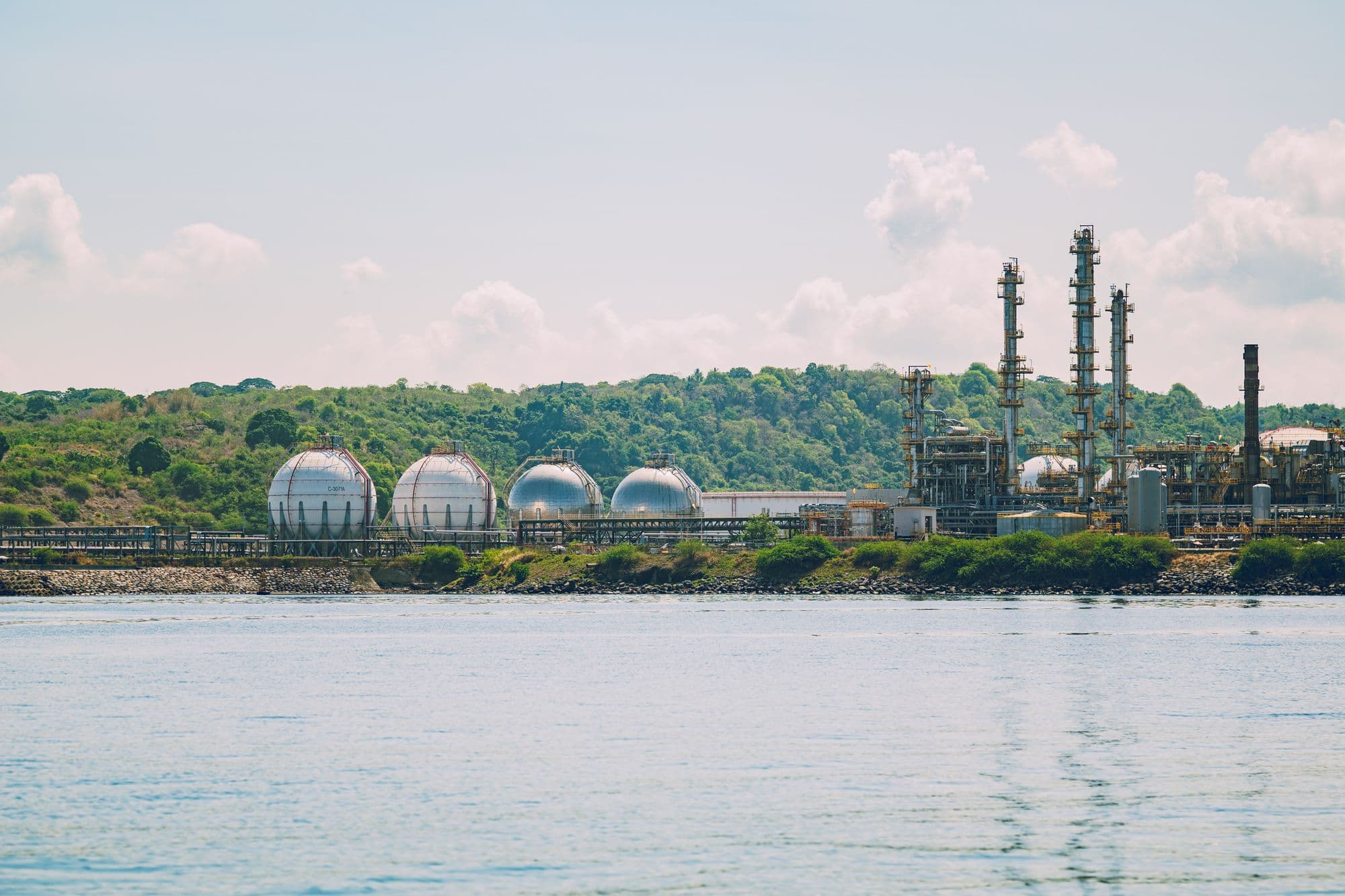
§1How big it is
Chemicals sector share of manufacturing GVA about 8.1% in FY 2023-24 at current prices; 1.2% of national GVA
Department of Chemicals & Petrochemicals, Annual Report 2025-26Three PCPIRs operational: Dahej (Gujarat), Visakhapatnam-Kakinada (AP), Paradeep (Odisha)
Department of Chemicals & Petrochemicals, Annual Report 2025-26
§2Ways to get started
- Chemical trading and repacking (with PESO/storage permissions)
- Specialty formulation blending (cleaning chemicals, textile auxiliaries)
- Job-work reactor capacity in a GIDC estate
- Water treatment chemicals
- Construction chemicals (admixtures, waterproofing)
§3Hubs and clusters
- Dahej PCPIR, Bharuch (Gujarat)
- Visakhapatnam-Kakinada PCPIR (Andhra Pradesh)
- Paradeep PCPIR (Odisha)
- Vapi, Ankleshwar (Gujarat) and Tarapur, Thane-Belapur (Maharashtra) - well-known chemical estates (not confirmed from an official list)
§4Licences and registration
- Environmental Clearance (EIA Notification 2006) for synthetic organic chemicals and other listed activities
- SPCB Consent to Establish / Operate - most chemical manufacturing is Red category; Hazardous Waste authorisation
- PESO licences for storage of petroleum, solvents, compressed gases
- BIS certification for chemicals under QCOs notified by the Department of Chemicals (list in Annual Report 2025-26, Annexure V)
- Factory licence with hazardous process provisions (Factories Act)
- Insecticides Act registration if making agrochemicals
- Udyam Registration (MSME) - free, online, PAN + Aadhaar based
- GST registration (mandatory above turnover threshold or for inter-state supply / e-commerce sale)
- Shops & Establishment registration or Factory Licence (Factories Act / state rules) depending on size and power use
- Consent to Establish and Consent to Operate from the State Pollution Control Board - category (Red/Orange/Green/White) as per CPCB 2025 harmonised list; White category is exempt from consent
- IEC (Importer Exporter Code) from DGFT if you import or export
§5Regulators
- Department of Chemicals & Petrochemicals
- PESO (petroleum, explosives, compressed gases storage)
- State Pollution Control Board (most chemical units are Red category)
- BIS (chemical QCOs)
- MoEFCC (environmental clearance for listed projects)
§6Government help
- PCPIR policy (2007)
- Plastic Parks scheme (for downstream plastics)
- Centres of Excellence and CIPET (skilling/testing)
- PLI - no dedicated chemical PLI (ACC battery PLI is under Heavy Industries)
- Cross-sector schemes that also apply (detailed in the programmes file): Udyam benefits, PMEGP, PM Mudra Yojana, CGTMSE credit guarantee, Stand-Up India, MSE-CDP (cluster development), RAMP, MSME ZED and Lean certification, MSME Champions, TReDS, Startup India (SISFS seed fund, Fund of Funds, CGSS), RoDTEP, EPCG, Advance Authorisation, Districts as Export Hubs, ODOP (One District One Product)
§7For exports
- CHEMEXCIL (basic chemicals, dyes, agrochemicals)
- CAPEXIL
- PLEXCONCIL (plastics)
§8Pros and cons
Merits
- Dedicated chemical zones (PCPIRs) with 2,246 chemical units in them give ready infrastructure [Dept of Chemicals AR 2025-26]
- Specialty and formulation blending can start small in industrial estates
Demerits
- Sector share of manufacturing GVA fell from 9.8% (FY20) to about 8.1% (FY24) [ChemiSankhya / AR 2025-26]
- Red-category consent, hazardous waste rules and environmental clearance make setup slow
- Growing list of chemical QCOs adds BIS licensing cost
- Feedstock and some intermediates import-dependent