

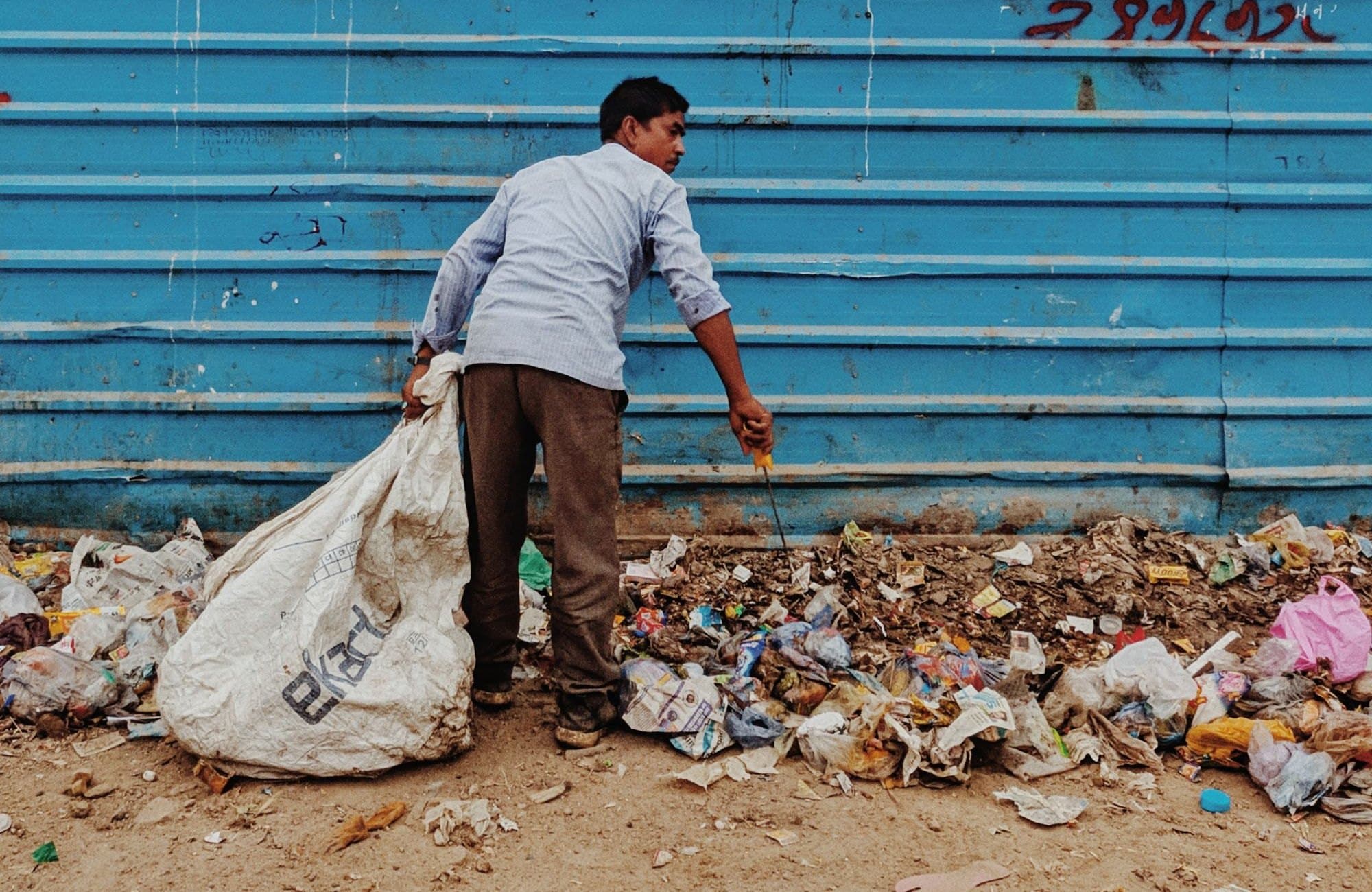
§1How big it is
Urban India generates 1,59,109 TPD of solid waste and processes 1,29,207 TPD - over 81%, up from 16% in 2014
PIB backgrounder: Swachhata Hi Seva 2025 - Powering Swachh Bharat Mission (25 Sep 2025)Of 2,492 lakh tonnes of legacy dumpsite waste, 1,437 lakh tonnes (58%) has been remediated
PIB backgrounder: Swachhata Hi Seva 2025 - Powering Swachh Bharat Mission (25 Sep 2025)Waste-to-energy installed capacity 840.21 MWeq (309.34 MW grid-connected, 530.87 MWeq off-grid) as of 31 Mar 2025
PIB backgrounder: India's Energy Landscape - Powering Growth with Sustainable Energy (22 Jun 2025)Over 12 crore toilets built under Swachh Bharat Mission
PIB backgrounder: Swachhata Hi Seva 2025 - Powering Swachh Bharat Mission (25 Sep 2025)
§2Ways to get started
- Dry waste collection and Material Recovery Facility (MRF) for a ward or town
- Plastic recycling into granules, pipes or pallets (EPR credits)
- Authorised e-waste collection centre / dismantler
- Compost or bio-CNG from wet and market waste
- C&D waste processing into aggregates and paver blocks
§3Hubs and clusters
- Indore, Agra, Rajkot (dumpsite reclamation examples cited by PIB)
- Delhi NCR (Mundka, Seelampur) and Moradabad - well-known informal e-waste/metal recycling clusters (not from an official list)
§4Licences and registration
- SPCB authorisation under the relevant waste rules (Plastic / E-Waste / Battery / Hazardous Waste)
- CPCB EPR portal registration as recycler, refurbisher or producer (plastic packaging, e-waste, batteries, tyres, used oil)
- Municipal empanelment or contract for collection, MRF or processing
- Hazardous waste TSDF and transport authorisation where applicable
- Udyam Registration (MSME) - free, online, PAN + Aadhaar based
- GST registration (mandatory above turnover threshold or for inter-state supply / e-commerce sale)
- Shops & Establishment registration or Factory Licence (Factories Act / state rules) depending on size and power use
- Consent to Establish and Consent to Operate from the State Pollution Control Board - category (Red/Orange/Green/White) as per CPCB 2025 harmonised list; White category is exempt from consent
- IEC (Importer Exporter Code) from DGFT if you import or export
§5Regulators
- Ministry of Housing & Urban Affairs (SBM-Urban); Ministry of Jal Shakti (SBM-Gramin, water supply)
- MoEFCC and CPCB (Solid Waste, Plastic Waste, E-Waste, Battery Waste, Bio-Medical and Hazardous Waste Rules)
- State Pollution Control Boards; Urban Local Bodies (municipal contracts)
§6Government help
- Swachh Bharat Mission-Urban 2.0 funding for MRFs, compost, C&D waste and dumpsite remediation [PIB Sep 2025]
- National Bioenergy Programme - waste-to-energy component [PIB Jun 2025]
- SATAT (compressed biogas offtake by oil companies) - status not checked in this pass
- GOBARdhan (biogas from cattle and farm waste) - status not checked in this pass
- Cross-sector schemes that also apply (detailed in the programmes file): Udyam benefits, PMEGP, PM Mudra Yojana, CGTMSE credit guarantee, Stand-Up India, MSE-CDP (cluster development), RAMP, MSME ZED and Lean certification, MSME Champions, TReDS, Startup India (SISFS seed fund, Fund of Funds, CGSS), RoDTEP, EPCG, Advance Authorisation, Districts as Export Hubs, ODOP (One District One Product)
§7Pros and cons
Merits
- Rules make producers pay for recycling (EPR), creating a paid market for recyclers
- Large and growing municipal spend on processing and dumpsite clearance [PIB Sep 2025]
Demerits
- Payment cycles of urban local bodies are slow
- Authorisation and pollution compliance is strict; informal competition on price
- Commodity prices of recovered material swing