

§1What this business is
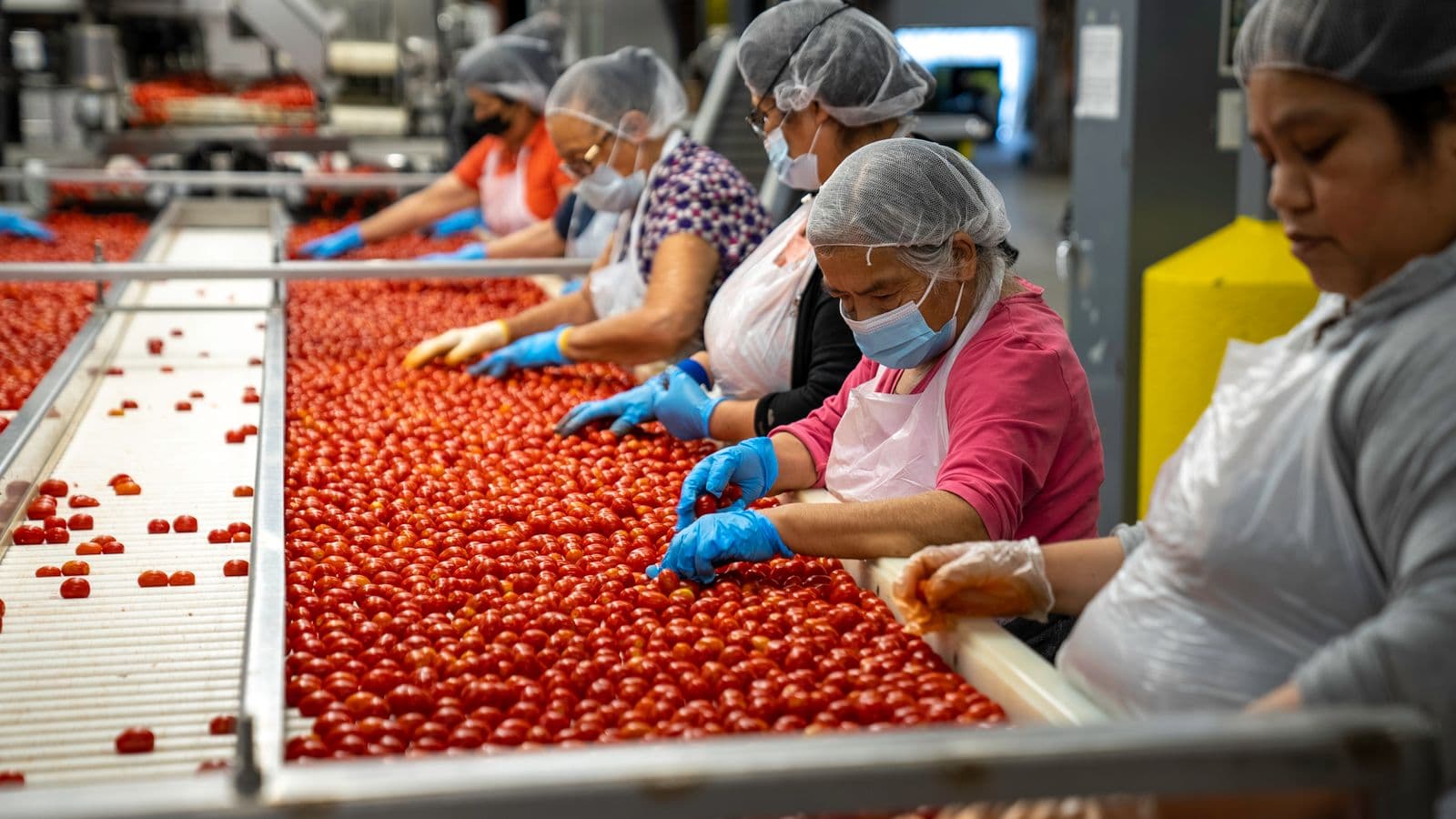
Ripe amla is washed, shredded, pulped, filtered, standardised and pasteurised. The pulp is sold to makers of chyawanprash, juices, ready-to-serve drinks, candy and cosmetics, or stored and turned into drinks in the off-season. The report plans 2.5 tonnes of fresh amla an hour giving 1 tonne of pulp an hour over a 130-day season.
Capacity: 1,000 MT of amla pulp a year (2.5 tonnes of fresh amla an hour → 1 tonne of pulp an hour, about 130 days of season).
§2Is it right for you?
Who it is for
Someone in an amla belt (Pratapgarh, Rae Bareli, Varanasi and others) with buyers among Ayurveda and juice companies.
Who it is not for
A first-time founder without a bank working-capital limit or firm buyers.
Advantages
- UP, MP, Tamil Nadu and Gujarat grow amla in large volumes
- Pulp is a ready input for chyawanprash, juice and Ayurveda makers
- Exports of amla products go to the US, Japan and Europe (report)
- Pulp can be stored and processed further in the off-season
Drawbacks
- Season is only about four months (October–January)
- Very large working capital for buying fruit in season
- Above the ₹50 L PMEGP ceiling for manufacturing as printed
- Needs 35 people in season
Skills you need
- Fruit buying in season
- Pasteurising and hygiene
- Cold storage and stock planning
- Selling to processors
Why difficulty 4/5: Large seasonal working capital, many workers and a short season.
§3Market
Who buys
- Chyawanprash and Ayurvedic medicine makers
- Juice, ready-to-serve drink and candy makers
- Cosmetic and hair-oil makers
- Importers of amla products
How it sells
- Direct bulk sale of pulp to processors
- Own value-added products in the off-season
- Export
Good to know
- The report says most amla processing is in the unorganised sector, leaving room for units that meet the quality large buyers want.
- It names the US, Japan, Nepal, Bangladesh, Malaysia, Germany and the Netherlands as export markets.
§4Raw material & machinery
| Item | Qty | Cost |
|---|---|---|
| Fruit and vegetable washer, 5 tonnes an hour | 1 | ₹7,50,000 |
| Amla shredding machine | 2 | ₹4,00,000 (₹2,00,000 each) |
| Amla juicer | 2 | ₹16,00,000 (₹8,00,000 each) |
| Standardisation tanks, 500 litres | 2 | ₹30,000 (₹15,000 each) |
| Pasteuriser | 1 | ₹12,50,000 |
| Holding tanks | 2 | ₹30,000 (₹15,000 each) |
| Steam-jacketed kettles, 500 litres | 2 | ₹2,70,000 (₹1,35,000 each) |
| Canning machinery | 1 | ₹1,65,000 |
From: PMEGP sample project report — Amla Processing (prepared by Udyami/Samadhan)
- Fresh amla (Banarasi, Francis, Chakaiya, NA-7 and other varieties)about 40% juice yield at 10° brix; peak season October–January; ₹510 L a year in the report
From: PMEGP sample project report — Amla Processing (prepared by Udyami/Samadhan)
§5Licences & registration
- FSSAI licence
- Udyam
- GST
- IEC for exports
- Pollution consent from the State Pollution Control Board where it applies
- Fire safety, ESI and PF where they apply
§6Schemes & subsidies
- PMFMECentralUnclear35% subsidy, up to ₹10 lakh
- AIFCentralUnclear3% interest subvention, up to ₹2 crore
- CGTMSECentralActiveNo collateral, up to ₹10 crore
- Stand-Up IndiaCentralClosed₹10 lakh – ₹1 crore loan
At ₹52.16 L the printed project is above PMEGP's ₹50 L limit; a smaller plant can come under PMEGP. PMFME and AIF support fruit processing; CGTMSE gives collateral-free cover.
§7Money
How the investment is worked out: Samadhan report: plant & machinery ₹44.95 L, furniture ₹0.75 L, contingencies ₹0.90 L, margin for working capital ₹5.56 L = ₹52.16 L; no land or building cost. Means of finance: own ₹17.89 L, term loan ₹34.27 L.
Working capital: Three months of working capital is put at ₹134.99 L — fresh amla alone is ₹510 L a year — but only ₹5.56 L margin is in the project cost; the rest must come as a bank limit.
Year not printed on the report — check current machinery prices.
§8Export potential
Confirm the HS code in the DGFT ITC(HS) lookup before you export
Export council / board: APEDA
- HS codes are from the WCO HS 2022 list; confirm the 8-digit ITC(HS) line with DGFT or your customs broker.
- You need an Import Export Code (IEC) from DGFT before the first shipment.
§9Risks — where people fail
- Short season and fruit price swings
- Spoilage if pulp is not processed fast
- Buyer concentration (a few large companies)
- Working-capital stress
§1030 / 60 / 90-day plan
A general plan that applies to any business. A plan for this business will be added after research.
- Days 1–30: Visit a working amla pulp processing unit, ask 10 buyers about price and quantity, and get quotations from 3 suppliers.
- Days 31–60: Udyam and the licences you need (FSSAI licence, Udyam), a project report (DPR), and the scheme or loan file.
- Days 61–90: Space and machines, trial production, and first deliveries to 10 customers.
§11Who to connect with
Associations, clusters and training institutes — the directory is being built. Connect
§12Watch
There is no episode on this business yet. Shows are coming soon on the Podcast page.
Want to start Amla Pulp Processing?
DPR, loan file or registration — ask us on WhatsApp.
¶Sources
Data review: 6 October 2026. Spotted a mistake? Report it. For information only — not legal or financial advice.