

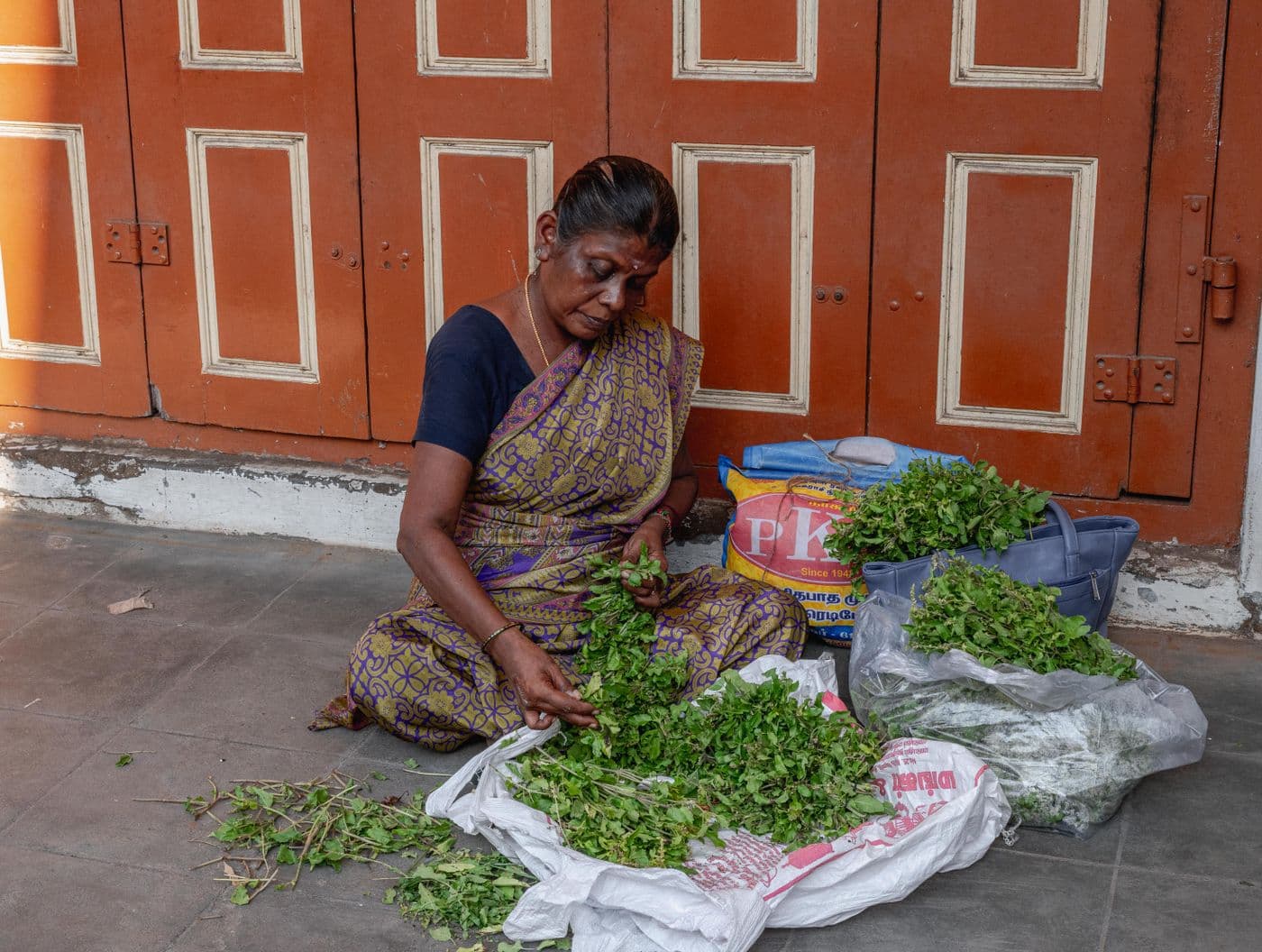
§1What this business is
A churna is a fine powder of one herb or a mix of herbs. Each ingredient is pulverised separately and then mixed. Every churna (such as triphala or sitopaladi) has its own steady demand. The same unit can later add vati, asava, arishta, lehya and lepa sections.
Capacity: 65,000 containers a year at ₹20.50 each (₹13.41 lakh) at full capacity.
§2Is it right for you?
Who it is for
An Ayurveda graduate (BAMS) or pharmacist, or someone who can employ one, with links to vaidyas and medical stores.
Who it is not for
Someone who wants to sell without a licence or make medical claims without classical formulations.
Advantages
- Ayurveda has a large and growing customer base
- Small investment and simple machines
- Herbs are available from forest and farm produce traders
- Simplest Ayurvedic product to start with
Drawbacks
- Needs an AYUSH drug licence and GMP before selling
- Many established Ayurvedic brands compete
- Herb quality and adulteration are hard to control
- Powders absorb moisture and need good sealing
Skills you need
- Classical Ayurvedic formulations
- Identifying and testing raw herbs
- Fine grinding, sieving and mixing
- Record keeping for drug licence and GMP
Why difficulty 2/5: Easiest Ayurvedic unit to run, but the drug licence is still needed.
§3Market
Who buys
- Ayurvedic doctors (vaidyas) and clinics
- Medical and Ayurvedic stores
- Hospitals, dispensaries and government AYUSH supply
How it sells
- Distributors to medical stores
- Contract manufacturing for other Ayurvedic brands
- Online sale under your own brand
Good to know
- The KVIC profile says Ayurvedic treatment, once mostly rural, has spread across the world and has large scope.
§4Raw material & machinery
| Item | Qty | Cost |
|---|---|---|
| Pulveriser with 2 hp motor | 1 | — |
| Powder mixer | 1 | — |
| Hammer mill or ball mill with 2 hp motor | 1 | — |
| Heat sealing machine and pouch poly sealer | 1 each | — |
| Equipment total in the profile | 1 set | ₹1,65,000 |
From: KVIC Project Profile — Manufacture of Ayurvedic Churna (PMEGP)
- Dried herbs, fruits, roots and barksas per the classical formula; raw material ₹7.00 lakh a year in the profile
- Pouches, containers and labels₹1.50 lakh a year in the profile
From: KVIC Project Profile — Manufacture of Ayurvedic Churna (PMEGP)
§5Licences & registration
- AYUSH drug manufacturing licence from the State Licensing Authority (Drugs and Cosmetics Rules, 1945)
- Good Manufacturing Practices under Schedule T
- Udyam registration
- GST registration
- State Pollution Control Board consent (check your category)
§6Schemes & subsidies
- PMEGPCentralActive15–35% subsidy
- MudraCentralActiveLoan up to ₹20 lakh, no collateral
- CGTMSECentralActiveNo collateral, up to ₹10 crore
PMEGP fits (this is a KVIC forest-based industry profile); MUDRA and CGTMSE cover a loan of this size.
§7Money
How the investment is worked out: KVIC profile: building shed 1,000 sq ft ₹2.00 lakh + equipment ₹1.65 lakh + working capital ₹1.11 lakh = ₹4.76 lakh. Land own.
Working capital: Working capital ₹1.11 lakh (₹1,11,794 per cycle). Raw material ₹7.00 lakh and labels/packing ₹1.50 lakh a year.
Year not printed on the KVIC profile — check current machinery prices.
§8Export potential
Confirm the HS code in the DGFT ITC(HS) lookup before you export
Export council / board: Pharmexcil
- HS codes are from the WCO HS 2022 list; confirm the 8-digit ITC(HS) line with DGFT or your customs broker.
- You need an Import Export Code (IEC) from DGFT before the first shipment.
§9Risks — where people fail
- Licence or GMP lapses stopping production
- Batch failure in quality tests
- Price competition from big brands
- Herb price and supply swings
§1030 / 60 / 90-day plan
A general plan that applies to any business. A plan for this business will be added after research.
- Days 1–30: Visit a working ayurvedic churna making unit, ask 10 buyers about price and quantity, and get quotations from 3 suppliers.
- Days 31–60: Udyam and the licences you need (AYUSH drug manufacturing licence from the State Licensing Authority (Drugs and Cosmetics Rules, 1945), Good Manufacturing Practices under Schedule T), a project report (DPR), and the scheme or loan file.
- Days 61–90: Space and machines, trial production, and first deliveries to 10 customers.
§11Who to connect with
Associations, clusters and training institutes — the directory is being built. Connect
§12Watch
There is no episode on this business yet. Shows are coming soon on the Podcast page.
Want to start Ayurvedic Churna Making?
DPR, loan file or registration — ask us on WhatsApp.
¶Sources
Data review: 6 October 2026. Spotted a mistake? Report it. For information only — not legal or financial advice.