

§1What this business is
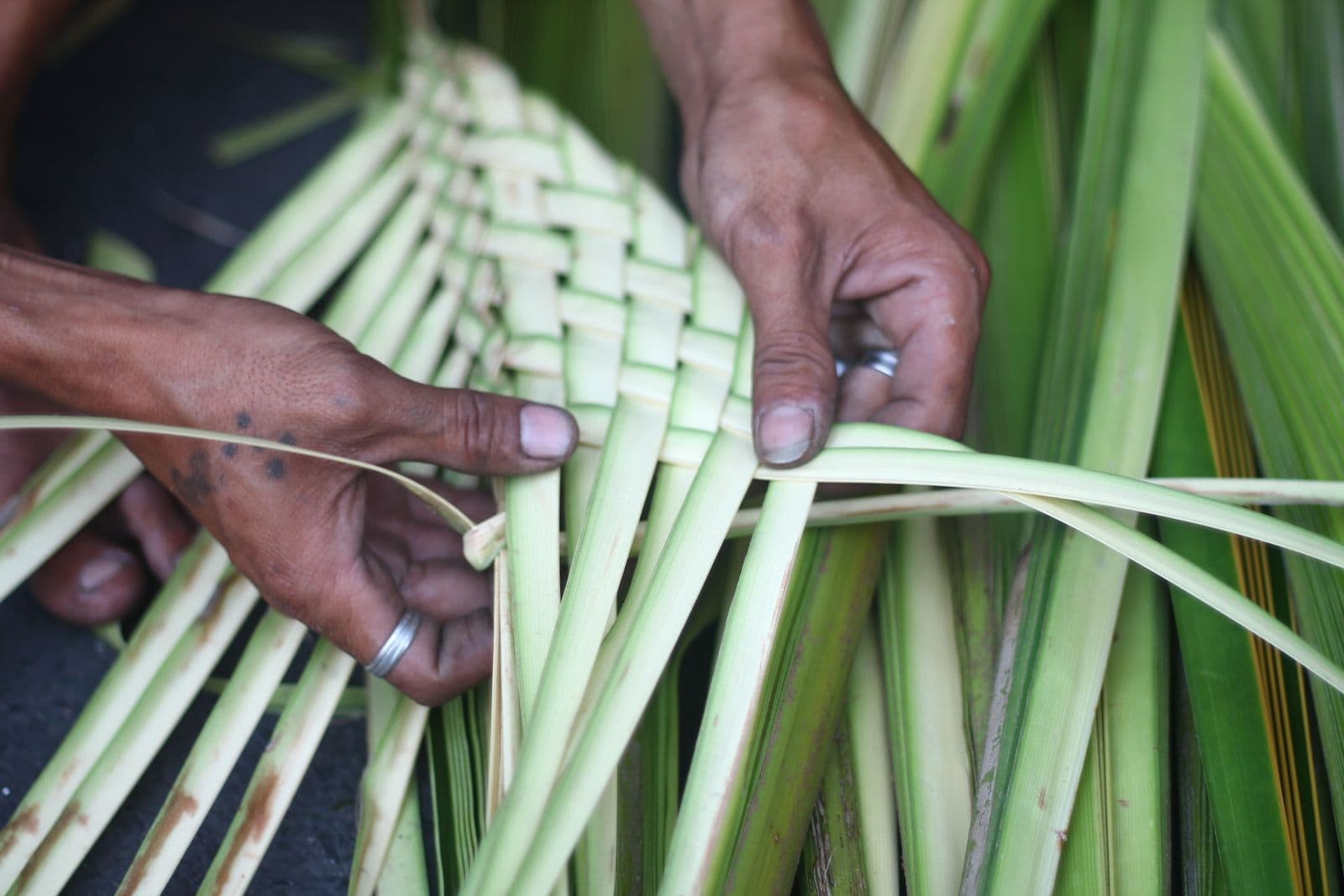
Fibre is pulled from banana pseudo-stems by machine and by hand, dried, spun into yarn and woven on a handloom. The cloth goes into sarees, shirts, furnishings, mats, cushions and wall hangings; the report puts output at 150–200 metres a day.
Capacity: 150–200 metres a day; 45,000–60,000 metres a year. The report plans 30% use in year 1.
§2Is it right for you?
Who it is for
A weaver or craft entrepreneur near banana farms with links to designers or craft buyers.
Who it is not for
Someone wanting a fast-moving mass product.
Advantages
- Raw material is farm waste, often free
- Low machine cost (₹3.54 L)
- Eco and vegan fabric appeals to designers
- Handloom work suits rural women's groups
Drawbacks
- Slow, labour-heavy process
- Fabric is less durable than true silk
- Small, design-led market
- Needs banana farms nearby
Skills you need
- Fibre extraction and drying
- Spinning and handloom weaving
- Product design for home décor
- Selling to designers and craft fairs
Why difficulty 3/5: Cheap to start, but skill-heavy work and a niche market.
§3Market
Who buys
- Fashion and textile designers
- Home-furnishing makers
- Craft and gift shops
How it sells
- Craft fairs and exhibitions
- Direct sale to designers
- Online craft stores
Good to know
- The report lists sarees, shirts, blouses, curtains, doormats, wall hangings, cushions and table mats.
§4Raw material & machinery
| Item | Qty | Cost |
|---|---|---|
| Banana fibre extraction machine | 1 | ₹80,000 |
| Yarn spinning machine | 1 | ₹1.20 lakh |
| Handloom | 1 | ₹30,000 |
| Soaking tank, weighing machine, pump, bins, trolleys | — | ₹70,000 |
From: PMEGP sample project report — Banana Silk Fabric (prepared by Udyami/Samadhan)
- Banana pseudo-stemfarm waste after harvest
- Alkaline solutionfor treating the fibre
From: PMEGP sample project report — Banana Silk Fabric (prepared by Udyami/Samadhan)
§5Licences & registration
- Udyam
- GST
- Handloom Mark (optional, for handloom cloth)
§6Schemes & subsidies
- PMEGPCentralActive15–35% subsidy
- MudraCentralActiveLoan up to ₹20 lakh, no collateral
- CGTMSECentralActiveNo collateral, up to ₹10 crore
The report is a PMEGP sample; MUDRA and CGTMSE can cover the loan.
§7Money
How the investment is worked out: Samadhan sample report: machinery ₹3.54 L (incl. GST), misc. assets ₹1.00 L, furniture ₹0.70 L, working capital ₹5.51 L = ₹10.75 L. Premises rented (about ₹30,000 a month).
Working capital: Working capital ₹5.51 L, of which a bank loan of ₹4.96 L.
Year not printed on the report — check current machinery prices.
§8Export potential
Confirm the HS code in the DGFT ITC(HS) lookup before you export
Export council / board: HEPC (Handloom Export Promotion Council)
- Handloom natural-fibre fabric is exported through handloom and craft buyers.
§9Risks — where people fail
- Uneven fibre quality
- Slow sales
- Labour turnover
- Price pressure from other natural fibres
§1030 / 60 / 90-day plan
A general plan that applies to any business. A plan for this business will be added after research.
- Days 1–30: Visit a working banana fibre (banana silk) fabric unit unit, ask 10 buyers about price and quantity, and get quotations from 3 suppliers.
- Days 31–60: Udyam and the licences you need (Udyam, GST), a project report (DPR), and the scheme or loan file.
- Days 61–90: Space and machines, trial production, and first deliveries to 10 customers.
§11Who to connect with
Associations, clusters and training institutes — the directory is being built. Connect
§12Watch
There is no episode on this business yet. Shows are coming soon on the Podcast page.
Want to start Banana Fibre (Banana Silk) Fabric Unit?
DPR, loan file or registration — ask us on WhatsApp.
¶Sources
Data review: 6 October 2026. Spotted a mistake? Report it. For information only — not legal or financial advice.