

§1What this business is
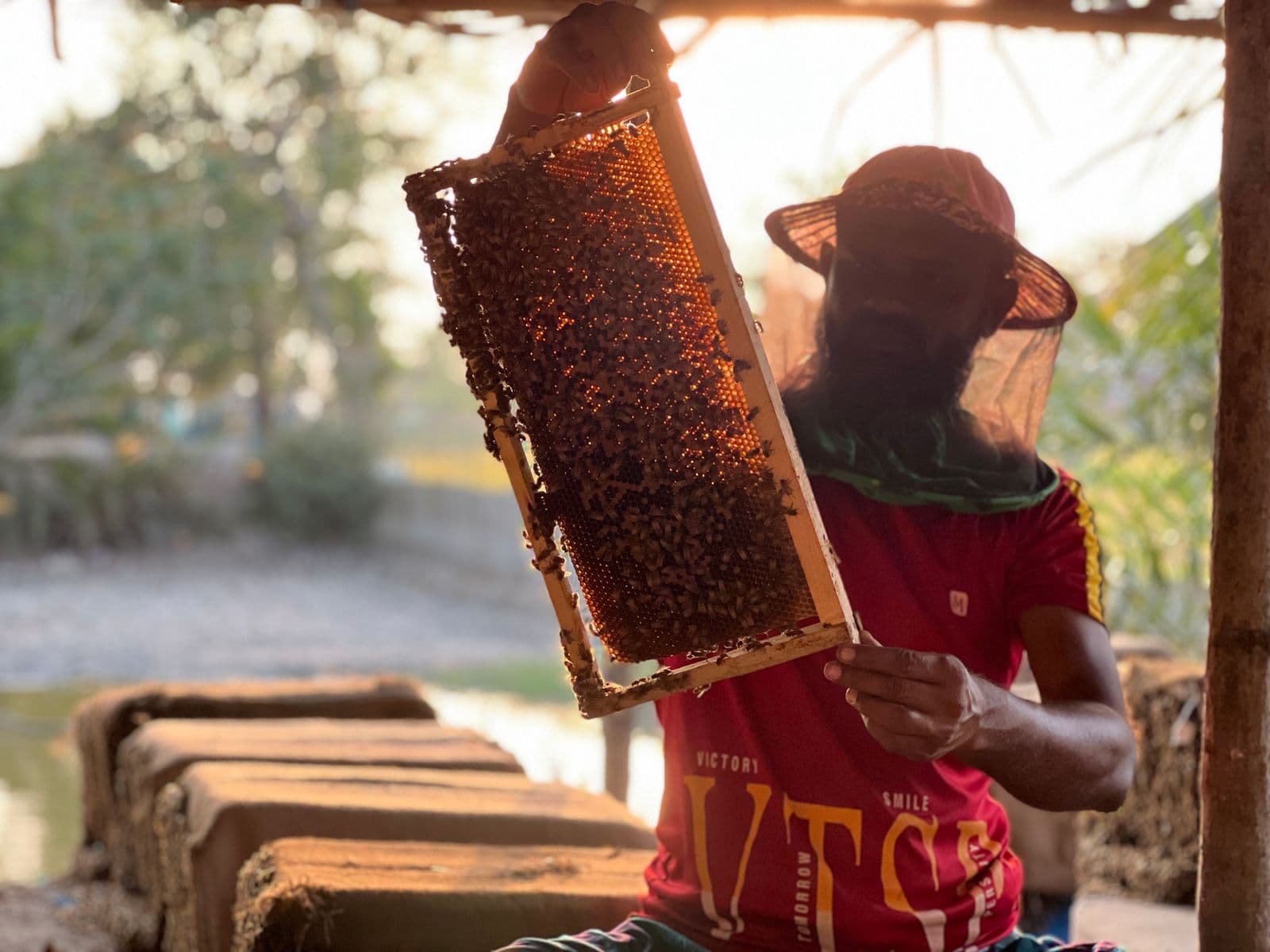
A carpentry workshop makes BIS-standard bee boxes (types A, B and C) with brood and honey chambers. Beekeepers use them to rear colonies and move them for honey flow and crop pollination.
Capacity: 714 bee boxes a year (cost ₹500 each in the profile).
§2Is it right for you?
Who it is for
A carpenter in a beekeeping or forest area.
Who it is not for
Someone without woodworking skill.
Advantages
- Very low start-up cost
- Beekeeping is promoted by government missions, so boxes are in demand
- Simple carpentry skills
- Can supply beekeeper groups and FPOs in bulk
Drawbacks
- Timber price and quality vary
- Boxes must match BIS sizes exactly
- Demand rises and falls with beekeeping subsidies
- Small turnover
Skills you need
- Carpentry to exact sizes
- Timber selection and seasoning
- Knowing BIS bee-box designs
- Selling to beekeepers and agencies
Why difficulty 1/5: Tiny investment and simple carpentry.
§3Market
Who buys
- Beekeepers
- Beekeeper groups and FPOs
- Government beekeeping programmes
How it sells
- Direct sale to beekeepers
- Supply against agency or department orders
Good to know
- The profile notes boxes are moved from place to place for honey flow and pollination.
§4Raw material & machinery
| Item | Qty | Cost |
|---|---|---|
| Carpentry tools including wood cutter and machine | — | ₹1,00,000 |
From: KVIC Project Profile — Bee Box Manufacturing Unit (PMEGP)
- Timber₹3,00,000 a year at full use in the profile
From: KVIC Project Profile — Bee Box Manufacturing Unit (PMEGP)
In our raw material database
§5Licences & registration
- Udyam
- GST (above the turnover limit)
- Trade licence
- Timber purchase from legal sources (state forest rules)
§6Schemes & subsidies
The KVIC profile is for PMEGP/Gramodyog; a MUDRA Shishu loan suits this size.
§7Money
How the investment is worked out: KVIC profile: building shed 200 sq ft ₹50,000, equipment (wood cutter and carpentry tools) ₹1,00,000, working capital ₹59,000 = ₹2,09,000. Land own.
Working capital: Working capital ₹59,000; requirement per cycle ₹59,528.
Year not printed on the KVIC profile — check current tool and timber prices.
§8Export potential
Confirm the HS code in the DGFT ITC(HS) lookup before you export
Export council / board: DGFT (IEC needed)
- Mostly a local-market product.
§9Risks — where people fail
- Timber shortage
- Rejection for wrong sizes
- Dependence on government orders
- Termite or moisture damage in stock
§1030 / 60 / 90-day plan
A general plan that applies to any business. A plan for this business will be added after research.
- Days 1–30: Visit a working bee box manufacturing unit unit, ask 10 buyers about price and quantity, and get quotations from 3 suppliers.
- Days 31–60: Udyam and the licences you need (Udyam, GST (above the turnover limit)), a project report (DPR), and the scheme or loan file.
- Days 61–90: Space and machines, trial production, and first deliveries to 10 customers.
§11Who to connect with
Associations, clusters and training institutes — the directory is being built. Connect
§12Watch
There is no episode on this business yet. Shows are coming soon on the Podcast page.
Want to start Bee Box Manufacturing Unit?
DPR, loan file or registration — ask us on WhatsApp.
¶Sources
Data review: 6 October 2026. Spotted a mistake? Report it. For information only — not legal or financial advice.