

§1What this business is
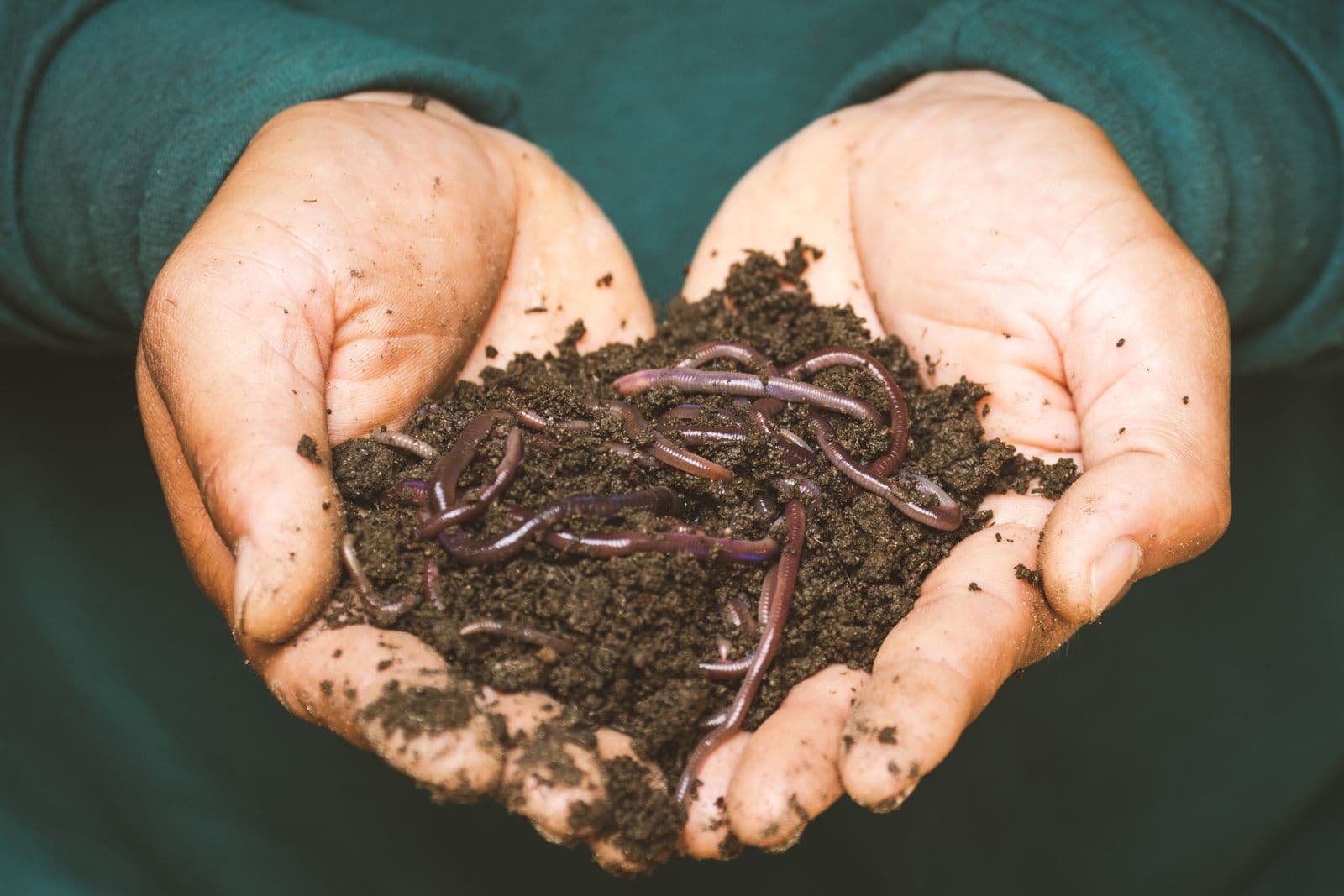
Three 85 m³ biogas plants digest dung and organic waste. The gas is a clean fuel; the digested slurry is dried on beds, sieved, blended and bagged as organic manure for farmers.
Capacity: 85,000 (unit as printed) of biogas and bio-manure a year; annual cost of production ₹25.78 L at full use.
§2Is it right for you?
Who it is for
A gaushala, dairy cluster or farmer producer organisation.
Who it is not for
Someone without a daily dung supply.
Advantages
- Two income streams: gas and manure
- Feedstock (dung) is cheap in dairy areas
- Organic farming raises manure demand
- Cleaner disposal of waste
Drawbacks
- Needs a lot of labour (21 people)
- Dung supply must be steady every day
- Manure sales are seasonal
- Drying beds need large open space
Skills you need
- Biogas plant upkeep
- Manure drying and grading
- Feedstock collection
- Selling to farmers and nurseries
Why difficulty 3/5: Simple technology, but heavy daily logistics and seasonal manure sales.
§3Market
Who buys
- Farmers, especially organic growers
- Nurseries and gardeners
- Households or eateries using the gas
How it sells
- Direct sale to farmers
- Agri-input dealers
- FPO networks
Good to know
- The profile notes slurry from biogas plants has high manure value and fewer pathogens.
§4Raw material & machinery
| Item | Qty | Cost |
|---|---|---|
| Biogas plant, 85 m³ | 3 | — |
| Shovel for mixing | — | — |
| Sieving machine | 1 | — |
| Cutter and blender | 1 | — |
| Sewing machine (bag closing) | 1 | — |
| Drying bed, 20' × 10' × 3' | 20 | — |
| Full equipment set | — | ₹18.75 lakh |
From: KVIC Project Profile — Bio- Digested Slurry (PMEGP)
- Cow dung and organic waste₹7.65 L raw material a year at full use
- Labels and bags₹50,000 a year
§5Licences & registration
- Udyam
- GST
- Fertiliser Control Order registration for selling organic manure
- Pollution control board consent (as per state category)
§6Schemes & subsidies
- PMEGPCentralActive15–35% subsidy
- MudraCentralActiveLoan up to ₹20 lakh, no collateral
- CGTMSECentralActiveNo collateral, up to ₹10 crore
The KVIC profile is a PMEGP model; MUDRA and CGTMSE can cover the loan.
§7Money
How the investment is worked out: KVIC profile: rented workshed ₹2.00 L, equipment ₹18.75 L (3 biogas plants of 85 m³, shovel, sieving machine, cutter and blender, sewing machine, 20 drying beds of 20' × 10' × 3'), working capital ₹4.00 L = ₹24.75 L. Land own.
Working capital: Working capital ₹4.00 L; requirement per cycle ₹4,29,583.
Year not printed on the KVIC profile — check current biogas plant prices.
§8Export potential
Confirm the HS code in the DGFT ITC(HS) lookup before you export
Export council / board: DGFT (IEC needed)
- Mostly a local-market product.
§9Risks — where people fail
- Feedstock shortfall
- Weak manure prices
- Monsoon delays drying
- Gas safety
§1030 / 60 / 90-day plan
A general plan that applies to any business. A plan for this business will be added after research.
- Days 1–30: Visit a working biogas and bio-digested slurry manure unit unit, ask 10 buyers about price and quantity, and get quotations from 3 suppliers.
- Days 31–60: Udyam and the licences you need (Udyam, GST), a project report (DPR), and the scheme or loan file.
- Days 61–90: Space and machines, trial production, and first deliveries to 10 customers.
§11Who to connect with
Associations, clusters and training institutes — the directory is being built. Connect
§12Watch
There is no episode on this business yet. Shows are coming soon on the Podcast page.
Want to start Biogas and Bio-Digested Slurry Manure Unit?
DPR, loan file or registration — ask us on WhatsApp.
¶Sources
Data review: 6 October 2026. Spotted a mistake? Report it. For information only — not legal or financial advice.