

§1What this business is
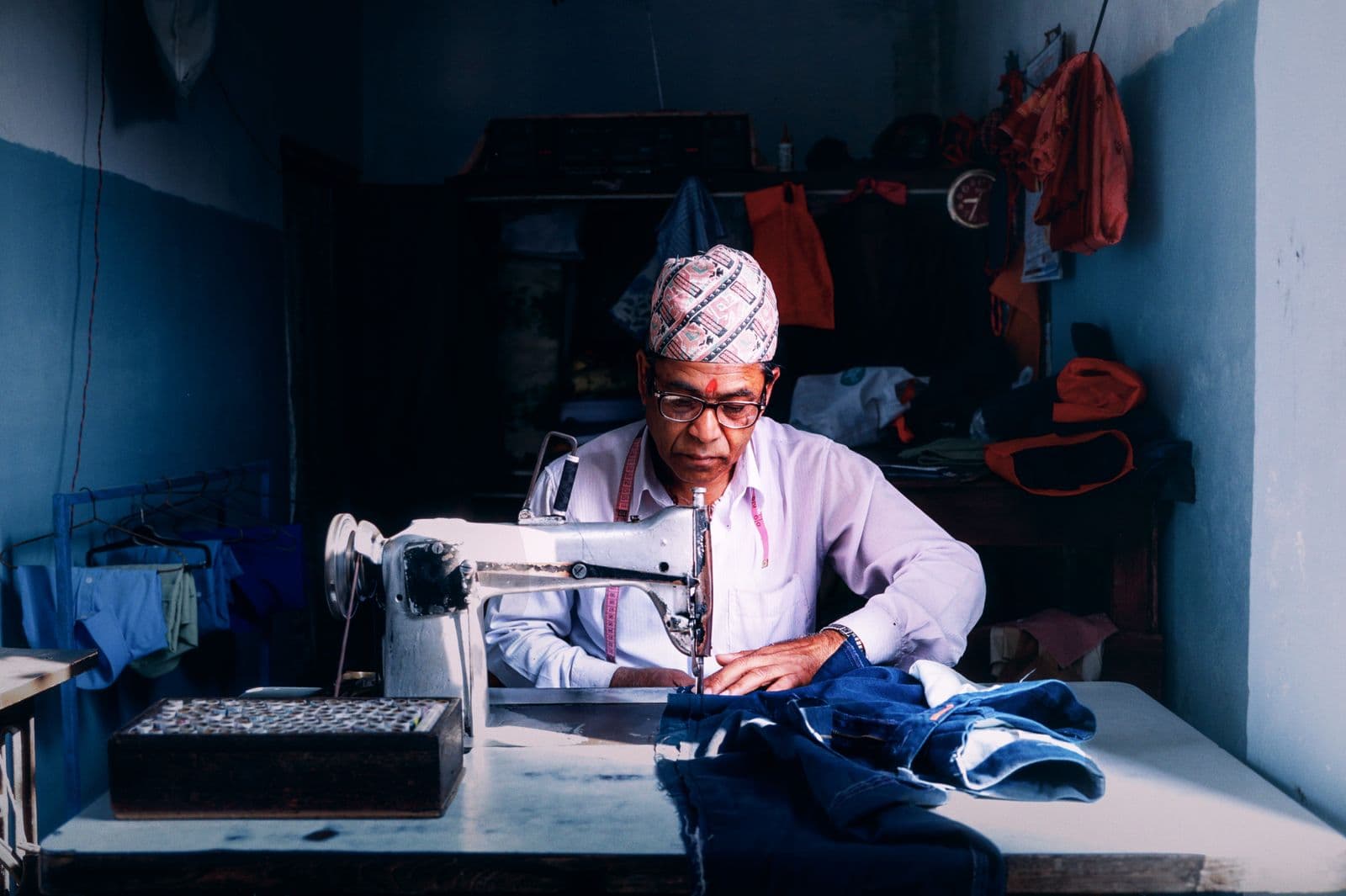
Fabric is laid on a table, cut with scissors to size, stitched on sewing machines, fitted with hooks and eyelets by hand, then pressed and packed. KVIC says demand grows with new fashion trends. Buyers are sari shops, garment shops and wholesalers.
Capacity: 33,600 blouses and 10,800 petticoats a year.
§2Is it right for you?
Who it is for
A tailor or women's group near sari markets.
Who it is not for
Someone who cannot supervise fitting and finish.
Advantages
- Every sari needs a blouse and petticoat
- Very low machine cost
- Can run from a rented room
- Good surplus for the size in the profile
Drawbacks
- Fitting complaints if sizes are wrong
- Many home tailors compete
- Fabric colours must match sari trends
- Output needs more than one tailor in practice
Skills you need
- Blouse and petticoat cutting and stitching
- Sizing and fitting
- Fabric buying
- Selling to sari shops
Why difficulty 1/5: Small investment and a familiar tailoring trade.
§3Market
Who buys
- Women who wear saris
- Sari and garment shops
- Wholesalers
How it sells
- Sari shops that sell ready blouses
- Local garment markets
- Wholesale traders
Good to know
- KVIC: the trend of buying ready blouses and petticoats is growing with new fashions.
- Expected net surplus is ₹4.24 lakh a year at full capacity.
§4Raw material & machinery
| Item | Qty | Cost |
|---|---|---|
| Sewing machine | 12 | — |
| Measuring tools (set square, triangles, tape) and large and small scissors | 1 set | — |
| Cutting tables, stools, showcases, office table, chairs and almirah | 1 lot | — |
| Total equipment | 1 lot | ₹1,10,000 |
From: KVIC Project Profile — Lady's Blouse & Petticoats (PMEGP)
- Fabric in different colours and designs₹12.00 lakh of raw material a year in the profile
- Hooks and eyeletsfixed by hand
- Labels and packing material₹50,000 a year in the profile
From: KVIC Project Profile — Lady's Blouse & Petticoats (PMEGP)
§5Licences & registration
- Udyam registration
- GST once turnover crosses the threshold
- Shops & Establishment registration
§6Schemes & subsidies
- PMEGPCentralActive15–35% subsidy
- MudraCentralActiveLoan up to ₹20 lakh, no collateral
- CM YUVAUPActiveUp to ₹5 lakh, interest-free
- CGTMSECentralActiveNo collateral, up to ₹10 crore
PMEGP fits; MUDRA Shishu or Kishor loans; in UP, CM-YUVA covers projects up to ₹5 L; CGTMSE for collateral-free loans.
§7Money
How the investment is worked out: KVIC profile: equipment ₹1.10 L (12 sewing machines, measuring tools and scissors, cutting tables and stools, showcases, office furniture) + working capital ₹2.75 L = ₹3.85 L. Rented work shed, own land.
Working capital: Working capital ₹2.75 L; raw material ₹12.00 L a year.
Year not printed on the KVIC profile — check current machinery prices.
§8Export potential
Confirm the HS code in the DGFT ITC(HS) lookup before you export
Export council / board: AEPC
- AEPC is the export council for garments.
- Exports need an IEC from DGFT.
§9Risks — where people fail
- Unsold sizes or colours
- Fabric price rises
- Tailor availability
- Shop credit
§1030 / 60 / 90-day plan
A general plan that applies to any business. A plan for this business will be added after research.
- Days 1–30: Visit a working blouse and petticoat stitching unit, ask 10 buyers about price and quantity, and get quotations from 3 suppliers.
- Days 31–60: Udyam and the licences you need (Udyam registration, GST once turnover crosses the threshold), a project report (DPR), and the scheme or loan file.
- Days 61–90: Space and machines, trial production, and first deliveries to 10 customers.
§11Who to connect with
Associations, clusters and training institutes — the directory is being built. Connect
§12Watch
There is no episode on this business yet. Shows are coming soon on the Podcast page.
Want to start Blouse and Petticoat Stitching?
DPR, loan file or registration — ask us on WhatsApp.
¶Sources
Data review: 6 October 2026. Spotted a mistake? Report it. For information only — not legal or financial advice.