

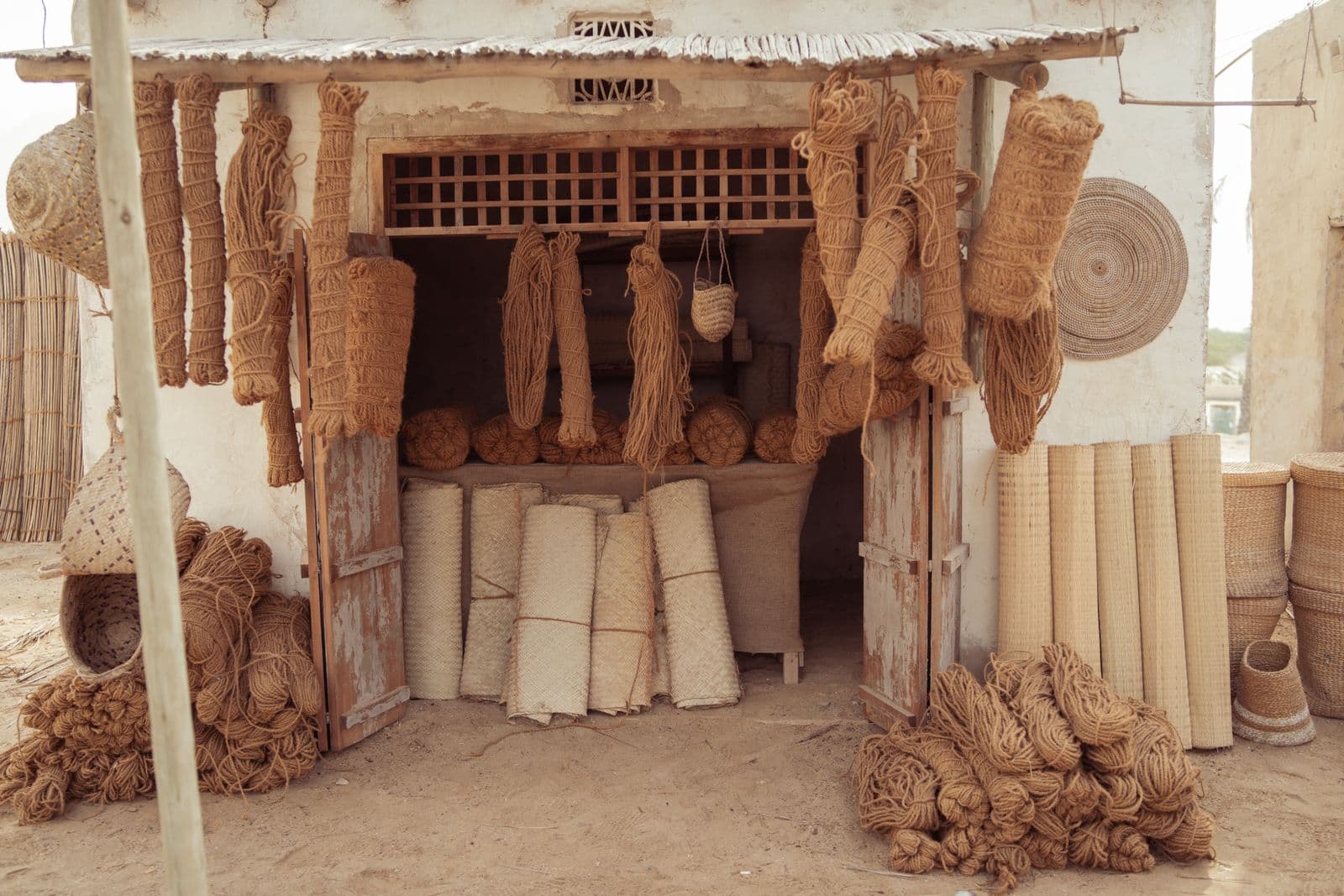
§1What this business is
Dried, sieved coir bit fibre or pith (20–25% of the mix) is stirred into polyester resin with a catalyst and poured into fibreglass moulds. The piece sets in 15–20 minutes and is taken out, then coloured or painted. No pressure, heat or heavy machines are needed, and the profile says it suits women entrepreneurs.
Capacity: 28,800 sculptures a year (1 shift, 300 days). Sale ₹200 and raw material ₹60 per piece.
§2Is it right for you?
Who it is for
A craft group or women's enterprise with access to gift and décor buyers.
Who it is not for
Someone without design sense or a way to reach retail buyers.
Advantages
- No skilled labour or heavy machines needed
- One mould makes hundreds of pieces
- Designs can follow festivals and demand
- Uses coir waste
Drawbacks
- Polyester resin and catalysts are chemicals — need ventilation and care
- Décor market depends on design and finish
- High break-even in year 1 (68%)
Skills you need
- Mould making and release
- Resin mixing
- Painting and finishing
- Design and selling
Why difficulty 2/5: Simple process, but chemical handling and design-led selling need care.
§3Market
Who buys
- Gift and handicraft shops
- Temples and religious-goods sellers
- Home-décor retailers
How it sells
- Craft fairs and exhibitions
- Wholesale to gift shops
- Online marketplaces
Good to know
- The profile says the range of images depends on demand.
§4Raw material & machinery
| Item | Qty | Cost |
|---|---|---|
| Fibre cutting machine | 1 | — |
| Moulds | 20 | — |
| Weighing balance | 2 | — |
| Tables and other accessories | — | — |
From: PMEGP project profile — Coir Fiber/Dust Moulding Unit (prepared by Coir Board, Ministry of MSME) (2018)
- Unsaturated polyester resinthe main binder
- MEKP initiator and cobalt naphthenate catalyststart the setting reaction
- Coir bit fibre or coir pith20–25% of the mix; sieved through IS 100 mesh and dried
- Pigments and polishing waxwax is the mould release agent; ₹60 raw material per sculpture in all
From: PMEGP project profile — Coir Fiber/Dust Moulding Unit (prepared by Coir Board, Ministry of MSME) (2018)
§5Licences & registration
- Udyam registration
- GST registration
- State Pollution Control Board consent (check the category for your process)
- Local trade licence
§6Schemes & subsidies
- PMEGPCentralActive15–35% subsidy
- MudraCentralActiveLoan up to ₹20 lakh, no collateral
- CGTMSECentralActiveNo collateral, up to ₹10 crore
PMEGP (this profile was made for it), MUDRA loans up to ₹20 lakh and CGTMSE cover for a collateral-free loan fit.
§7Money
How the investment is worked out: Coir Board profile: building ₹3.00 lakh + machinery and equipment ₹11.74 lakh + working capital ₹4.26 lakh = ₹19.00 lakh.
Working capital: Working capital ₹4.26 lakh (bank ₹4.05 lakh).
Prices from June 2018 — machinery costs will be higher now.
§8Export potential
Export council / board: Coir Board
- Coir exporters register with the Coir Board and take its registration-cum-membership certificate.
§9Risks — where people fail
- Pinholes if fibre is not dry
- Fire risk from resin and solvents
- Designs copied by others
- Seasonal demand
§1030 / 60 / 90-day plan
A general plan that applies to any business. A plan for this business will be added after research.
- Days 1–30: Visit a working coir fibre and pith moulded sculptures unit, ask 10 buyers about price and quantity, and get quotations from 3 suppliers.
- Days 31–60: Udyam and the licences you need (Udyam registration, GST registration), a project report (DPR), and the scheme or loan file.
- Days 61–90: Space and machines, trial production, and first deliveries to 10 customers.
§11Who to connect with
Associations, clusters and training institutes — the directory is being built. Connect
§12Watch
There is no episode on this business yet. Shows are coming soon on the Podcast page.
Want to start Coir Fibre and Pith Moulded Sculptures?
DPR, loan file or registration — ask us on WhatsApp.
¶Sources
- PMEGP project profile — Coir Fiber/Dust Moulding Unit (prepared by Coir Board, Ministry of MSME) (2018)
Data review: 6 October 2026. Spotted a mistake? Report it. For information only — not legal or financial advice.