

§1What this business is
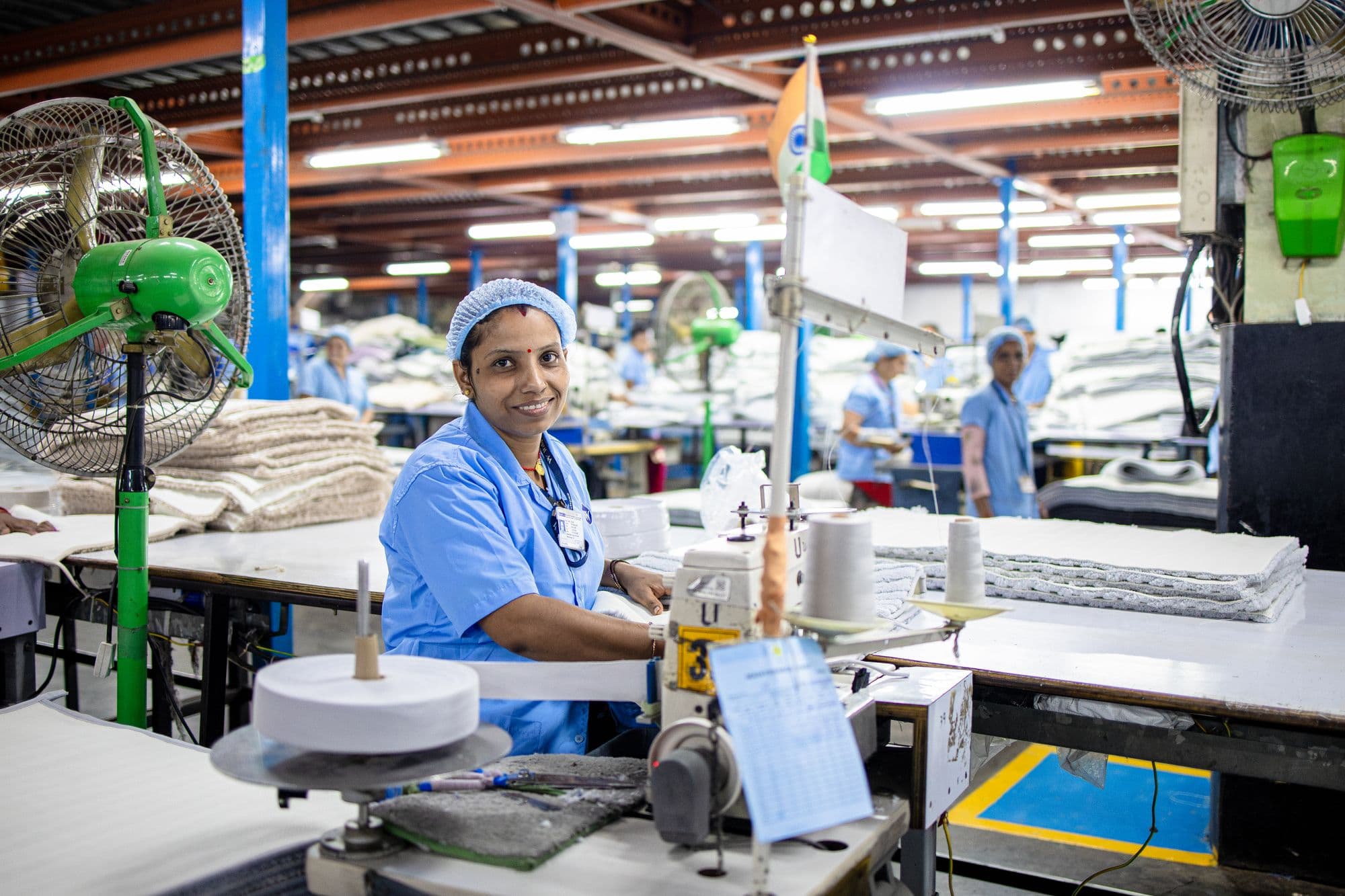
Cotton fabric rolls are folded, cut to bag and strap size on a band saw, stitched, pressed flat on a light hot press, counted and packed. Plastic bag bans have pushed shops and brands to cotton bags, which can be reused and printed with a logo.
Capacity: 1,500 bags (12 × 12 inch) a day, 4,50,000 a year at full capacity; 45% use in year 1 rising to 65%.
§2Is it right for you?
Who it is for
A tailor, garment worker or trader with shop and brand contacts.
Who it is not for
Someone looking for a product with little competition — anyone can enter this trade.
Advantages
- Plastic bans drive demand
- Easy to learn — sewing is the main skill
- Printed bags for shops and brands add value
Drawbacks
- Many small tailoring units compete on price
- Fabric is most of the cost
- Bulk buyers bargain hard
Skills you need
- Cutting and stitching
- Fabric buying (150–200 GSM cotton)
- Bulk sales to shops and brands
Why difficulty 2/5: Simple sewing work; winning bulk orders is the real task.
§3Market
Who buys
- Retail shops, supermarkets and brands
- Event and corporate buyers wanting printed bags
How it sells
- Direct orders from shops and brands
- Packaging suppliers
Good to know
- The report links rising demand to plastic bag bans.
- Cotton bags print well, which gives shops shelf appeal (report).
§4Raw material & machinery
| Item | Qty | Cost |
|---|---|---|
| Sewing machine | 10 | ₹2,50,000 |
| Band saw machine | 2 | ₹3,00,000 |
| Light-duty hot press | 10 | ₹50,000 |
| Counting and packaging machine | 5 | ₹5,00,000 |
From: PMEGP sample project report — Cotton Bags (prepared by Udyami/Samadhan)
- Cotton fabric roll (150–200 GSM)1,50,000 m a year at ₹40 a metre (full capacity)
- Cotton thread rolls10,000 rolls a year at ₹50
- Packing material₹1.50 L a year (lump sum)
From: PMEGP sample project report — Cotton Bags (prepared by Udyami/Samadhan)
§5Licences & registration
- Udyam registration
- GST
- Trade licence from the local body
- Trademark for your brand (optional)
§6Schemes & subsidies
- PMEGPCentralActive15–35% subsidy
- MudraCentralActiveLoan up to ₹20 lakh, no collateral
- CGTMSECentralActiveNo collateral, up to ₹10 crore
PMEGP (the report is a PMEGP sample), MUDRA for loans up to ₹20 L and CGTMSE for collateral-free cover fit.
§7Money
How the investment is worked out: Building/shed 1,000 sq ft ₹4.00 L, plant & machinery ₹11.00 L, furniture ₹1.00 L, working capital ₹4.44 L = ₹20.44 L.
Working capital: Working capital ₹4.44 L, of which bank finance ₹4.00 L; 15 days of finished stock.
Year not printed on the report — check current machinery prices.
§8Export potential
Confirm the HS code in the DGFT ITC(HS) lookup before you export
Export council / board: TEXPROCIL (Cotton Textiles Export Promotion Council)
- Confirm the 8-digit ITC(HS) line with DGFT or your customs broker.
- You need an Import Export Code (IEC) from DGFT before the first shipment.
§9Risks — where people fail
- Cotton fabric price rise
- Weak enforcement of plastic bans
- Slow-paying bulk buyers
§1030 / 60 / 90-day plan
A general plan that applies to any business. A plan for this business will be added after research.
- Days 1–30: Visit a working cotton carry bags unit, ask 10 buyers about price and quantity, and get quotations from 3 suppliers.
- Days 31–60: Udyam and the licences you need (Udyam registration, GST), a project report (DPR), and the scheme or loan file.
- Days 61–90: Space and machines, trial production, and first deliveries to 10 customers.
§11Who to connect with
Associations, clusters and training institutes — the directory is being built. Connect
§12Watch
There is no episode on this business yet. Shows are coming soon on the Podcast page.
Want to start Cotton Carry Bags?
DPR, loan file or registration — ask us on WhatsApp.
¶Sources
Data review: 6 October 2026. Spotted a mistake? Report it. For information only — not legal or financial advice.