

§1What this business is
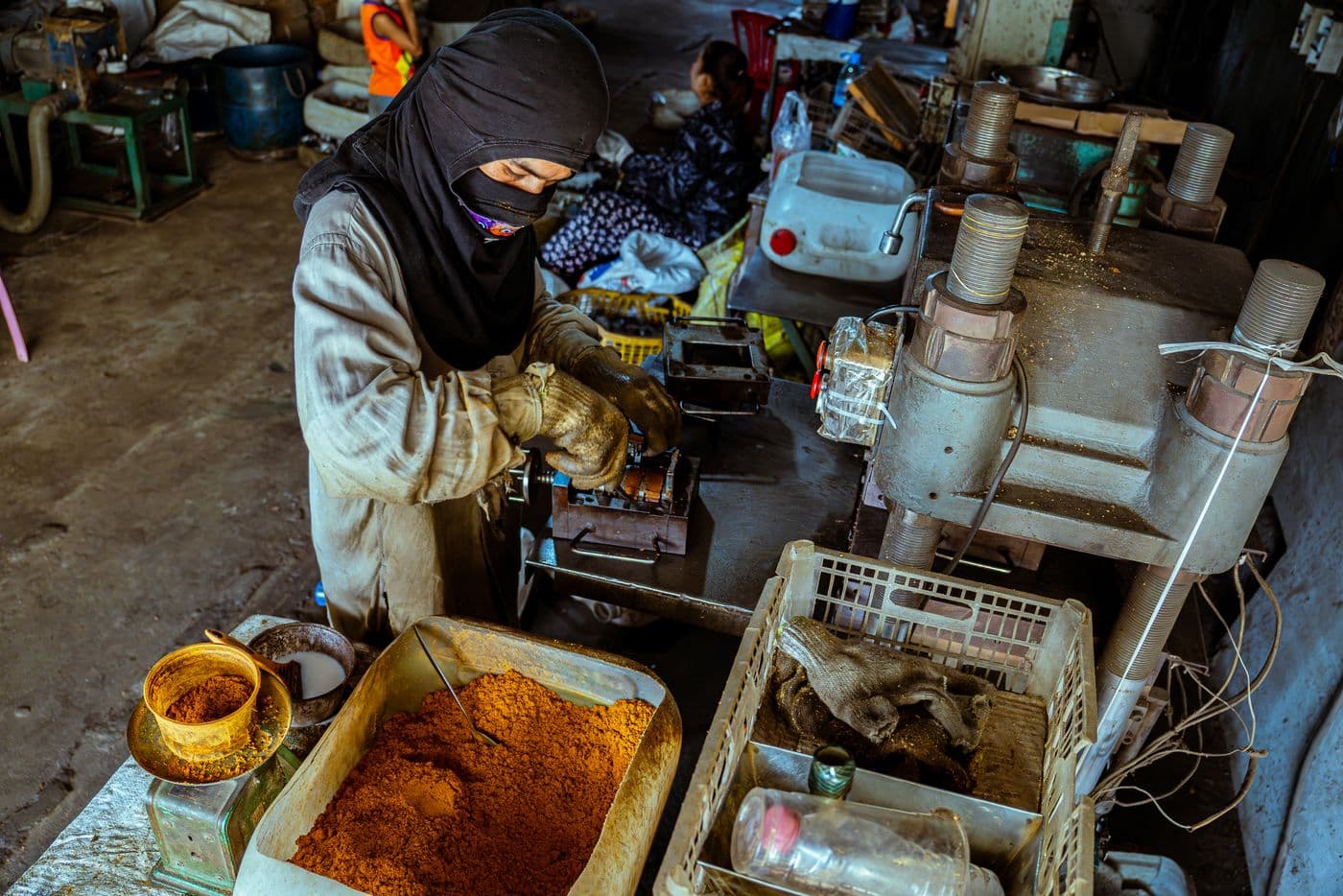
Cumin seed is bought in bulk, cleaned of dust and stones, dried to remove moisture, ground in a spice grinder, sieved and packed in pouches and cartons. The report builds the unit around five machines: a seed cleaner, a dryer, a spice grinder, a sieving machine and a packaging machine.
Capacity: The report's assumptions print 100 kg a day, which does not match its own sales figures — confirm the rated output with the machine supplier. Utilisation is taken at 20% in year 1, rising to 40% in year 5, on one 8-hour shift.
§2Is it right for you?
Who it is for
A spice trader, a kirana wholesaler or a farmer group in a cumin-growing area that can buy seed well and already has shop contacts.
Who it is not for
Someone who cannot fund large raw-material stocks or has no way to reach shops and bulk buyers.
Advantages
- Jeera powder is used in almost every Indian kitchen, every day
- Only five machines and a simple clean–dry–grind–sieve–pack process
- Low break-even (17%) in the report
- Fits in 1,000–1,200 sq ft of rented space
Drawbacks
- Raw cumin is costly (₹200–230 a kg wholesale in the report) and its price swings sharply
- Raw material is about 73% of year-1 sales, so the margin per kg is small
- Big national spice brands already sit on kirana shelves
- The report's capacity and power figures do not agree with each other — get a supplier quotation first
Skills you need
- Buying cumin seed and judging its quality
- Running a grinder without overheating the spice
- Food hygiene and FSSAI labelling
- Selling to distributors and kirana shops
Why difficulty 2/5: Simple process; the hard part is buying cumin well and selling against big brands.
§3Market
Who buys
- Households, through kirana and grocery shops
- Hotels, restaurants and caterers
- Namkeen, pickle and ready-mix makers
- Spice wholesalers
How it sells
- Distributors and kirana shops
- Direct supply to bulk buyers
- Online grocery platforms
Good to know
- The report says cumin and coriander powder have the highest demand after garam masala and red chilli powder.
- It quotes Indian spice exports of US$ 3.65 billion in FY20.
§4Raw material & machinery
| Item | Qty | Cost |
|---|---|---|
| Seed cleaning machine | 1 | — |
| Dryer | 1 | — |
| Spice grinder | 1 | — |
| Sieving machine | 1 | — |
| Packaging machine | 1 | — |
| All five machines together (including GST and transport) | 1 set | ₹12,92,000 |
From: PMEGP sample project report — Cumin Powder (prepared by Udyami/Samadhan)
- Cumin seed (jeera)about ₹200–230 a kg at wholesale rates in the report
- Pouch packaging materialfor retail packs
- Cartonsfor outer packing
From: PMEGP sample project report — Cumin Powder (prepared by Udyami/Samadhan)
§5Licences & registration
- Udyam registration
- GST
- FSSAI registration or licence
- Legal Metrology packaged-commodity registration
- AGMARK grading (optional, helps sales)
- Trademark for your brand (optional)
Start it in your state
Pick your state: today’s cost, central + state subsidy, raw material, land and help, on one page.
§6Schemes & subsidies
- PMEGPCentralActive15–35% subsidy
- PMFMECentralUnclear35% subsidy, up to ₹10 lakh
- CGTMSECentralActiveNo collateral, up to ₹10 crore
PMEGP covers manufacturing projects up to ₹50 L, so ₹23.86 L fits; PMFME gives a credit-linked subsidy to micro food-processing units; CGTMSE for a loan without collateral.
§7Money
How the investment is worked out: Plant & machinery ₹12.92 L + miscellaneous assets ₹1.20 L + working capital ₹9.74 L = ₹23.86 L (land own or rented). Finance in the report's cost table: own money ₹6.02 L (25%), term loan ₹10.59 L, bank working-capital loan ₹7.25 L.
Working capital: Working capital ₹9.74 L in the project cost (bank limit ₹7.25 L) — 10 days of raw cumin, 10 days of finished stock and 10–15 days of credit to buyers.
Year not printed on the report — check current machinery prices.
§8Export potential
Export council / board: Not verified yet
- No HS code or export body has been checked against an official list yet.
§9Risks — where people fail
- Sudden rise in cumin prices after stock is sold forward
- Adulteration or pesticide-residue complaints
- Loss of aroma if grinding runs hot or stock sits too long
- Slow payment from distributors
§1030 / 60 / 90-day plan
A general plan that applies to any business. A plan for this business will be added after research.
- Days 1–30: Visit a working cumin (jeera) powder unit unit, ask 10 buyers about price and quantity, and get quotations from 3 suppliers.
- Days 31–60: Udyam and the licences you need (Udyam registration, GST), a project report (DPR), and the scheme or loan file.
- Days 61–90: Space and machines, trial production, and first deliveries to 10 customers.
§11Who to connect with
§12Watch
There is no episode on this business yet. Shows are coming soon on the Podcast page.
Want to start Cumin (Jeera) Powder Unit?
DPR, loan file or registration — ask us on WhatsApp.
¶Sources
Data review: 6 October 2026. Spotted a mistake? Report it. For information only — not legal or financial advice.