

§1What this business is
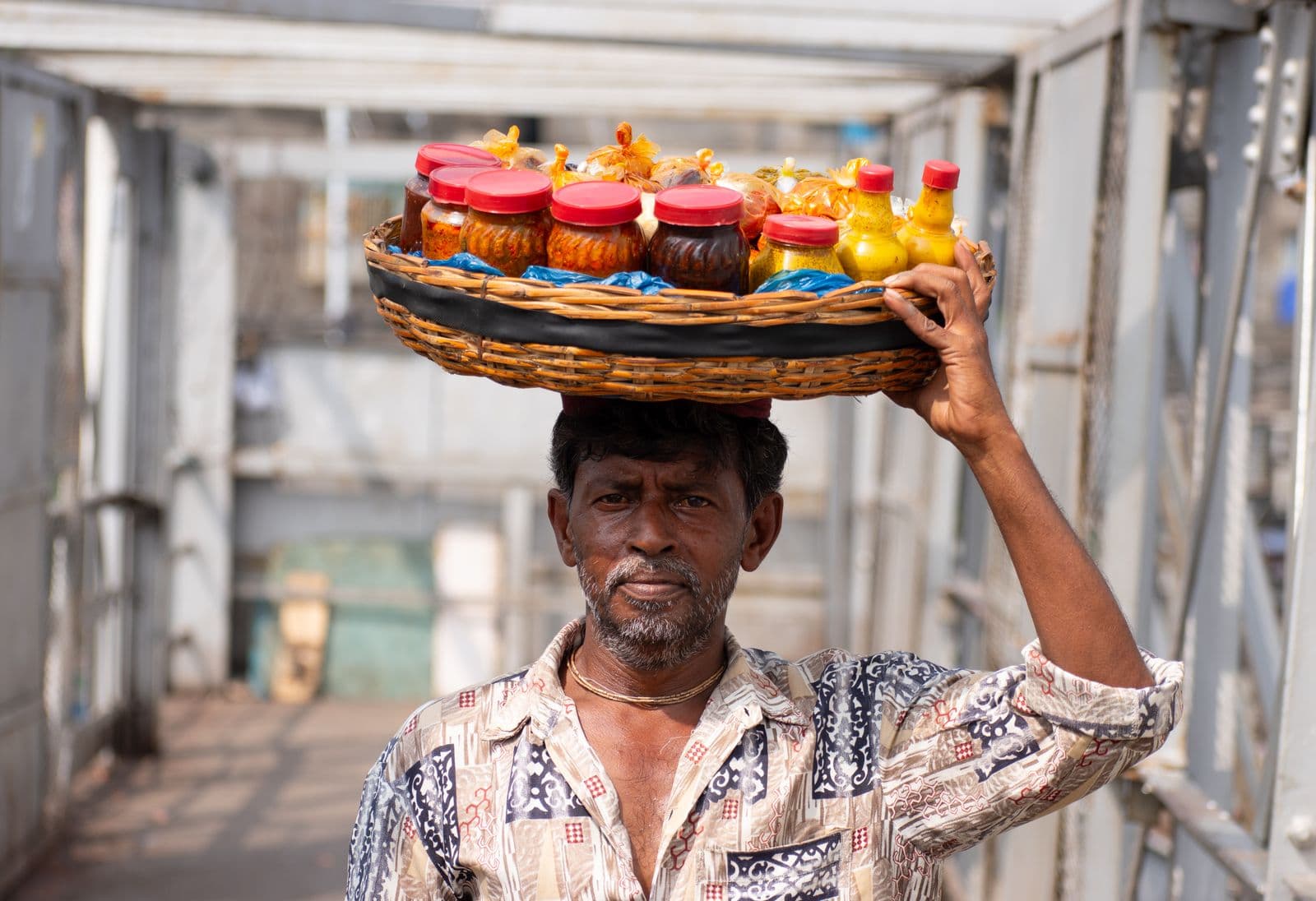
Dalle khursani is a very hot, cherry-shaped chilli grown mainly in Sikkim and the Darjeeling hills. The pods are sorted, washed, de-stemmed, cut, mixed with salt, mustard oil, spices and preservatives, then fermented, aged and filled into sealed jars. 'Dalle ko achaar' is eaten with momos, thukpa and everyday meals in Gorkha homes and sells in local and roadside markets.
Capacity: 300 kg a day on a 10-hour shift; year 1 at 30% use.
§2Is it right for you?
Who it is for
Someone in Sikkim, Darjeeling or the north-east hills with access to Dalle growers.
Who it is not for
Someone far from the growing area who would pay transport on fresh chilli.
Advantages
- A famous regional product with a loyal local market
- The chilli is a source of income for Himalayan farmers
- Pickle keeps for months in sealed jars
- Can be sold with momo and Nepali food outlets
Drawbacks
- Raw chilli is seasonal and costly (₹200–400 a kg locally per the report)
- Margins are thin on paper (3.5–5.5% net)
- Market is mostly regional
- Fermentation and hygiene need care
Skills you need
- Chilli grading and buying
- Pickle recipe and fermentation control
- Food hygiene and jar sealing
- Selling to local shops and tourist outlets
Why difficulty 3/5: Recipe and hygiene are easy to learn; securing chilli at a fair price is the hard part.
§3Market
Who buys
- Gorkha and Nepali-speaking households in Darjeeling and Sikkim
- Momo and thukpa eateries
- Tourists buying local food products
How it sells
- Local vegetable markets
- Roadside markets in the Himalayan region
- Grocers in small towns
Good to know
- The report calls the packed chilli bottles 'a hot commodity' even in small towns.
- Demand peaks in winter because the chilli is believed to keep the body warm (report).
§4Raw material & machinery
| Item | Qty | Cost |
|---|---|---|
| Tumbler-type vegetable and fruit washing machine | 1 | ₹3.00 lakh |
| Gravity separator | 1 | ₹2.80 lakh |
| Vegetable slicing machine | 1 | ₹80,000 |
| Kettle mixer | 1 | ₹75,000 |
| Pickle filling machine | 1 | ₹3.25 lakh |
| Material handling and other equipment | 1 lot | ₹3.40 lakh |
From: PMEGP sample project report — Dalley Khorsani Pickle (prepared by Udyami/Samadhan)
- Dalle khursani (red cherry pepper)main raw material; sells at roughly ₹200–400 a kg locally (report)
- Mustard oilpreferred pickle oil; local grocers or online
- Refined saltlocal grocers
- Spices — mustard seed, cumin, coriander, fenugreek, fennelblend varies with the recipe
- Preservatives and vinegarfor long shelf life in airtight jars
From: PMEGP sample project report — Dalley Khorsani Pickle (prepared by Udyami/Samadhan)
§5Licences & registration
- FSSAI licence/registration
- Udyam
- GST
- Legal Metrology packaged commodity registration
- Trademark for the brand if needed
§6Schemes & subsidies
- PMFMECentralUnclear35% subsidy, up to ₹10 lakh
- PMEGPCentralActive15–35% subsidy
- MudraCentralActiveLoan up to ₹20 lakh, no collateral
- CGTMSECentralActiveNo collateral, up to ₹10 crore
PMFME fits directly (pickles and chilli products are food processing); PMEGP, MUDRA and CGTMSE for the ₹22.57 L loan.
§7Money
How the investment is worked out: Samadhan report: plant & machinery ₹14.00 L + furniture ₹1.00 L + working capital ₹7.57 L = ₹22.57 L; land own/rented.
Working capital: Working capital ₹7.57 L (bank finance ₹6.81 L) — 10 days of raw material and 10 days of finished stock.
Year not printed on the sample report — check current machinery prices.
§8Export potential
Confirm the HS code in the DGFT ITC(HS) lookup before you export
Export council / board: APEDA
- HS codes are from the WCO HS 2022 list; confirm the 8-digit ITC(HS) line with DGFT or your customs broker.
- Pickles made without vinegar may fall under heading 2005 instead.
- You need an Import Export Code (IEC) from DGFT before the first shipment.
§9Risks — where people fail
- Crop failure or price spikes in Dalle chilli
- Spoilage from poor sealing
- FSSAI and labelling compliance
- Copycat products using ordinary chilli
§1030 / 60 / 90-day plan
A general plan that applies to any business. A plan for this business will be added after research.
- Days 1–30: Visit a working dalle khursani (cherry chilli) pickle unit, ask 10 buyers about price and quantity, and get quotations from 3 suppliers.
- Days 31–60: Udyam and the licences you need (FSSAI licence/registration, Udyam), a project report (DPR), and the scheme or loan file.
- Days 61–90: Space and machines, trial production, and first deliveries to 10 customers.
§11Who to connect with
Associations, clusters and training institutes — the directory is being built. Connect
§12Watch
There is no episode on this business yet. Shows are coming soon on the Podcast page.
Want to start Dalle Khursani (Cherry Chilli) Pickle?
DPR, loan file or registration — ask us on WhatsApp.
¶Sources
Data review: 6 October 2026. Spotted a mistake? Report it. For information only — not legal or financial advice.