

§1What this business is
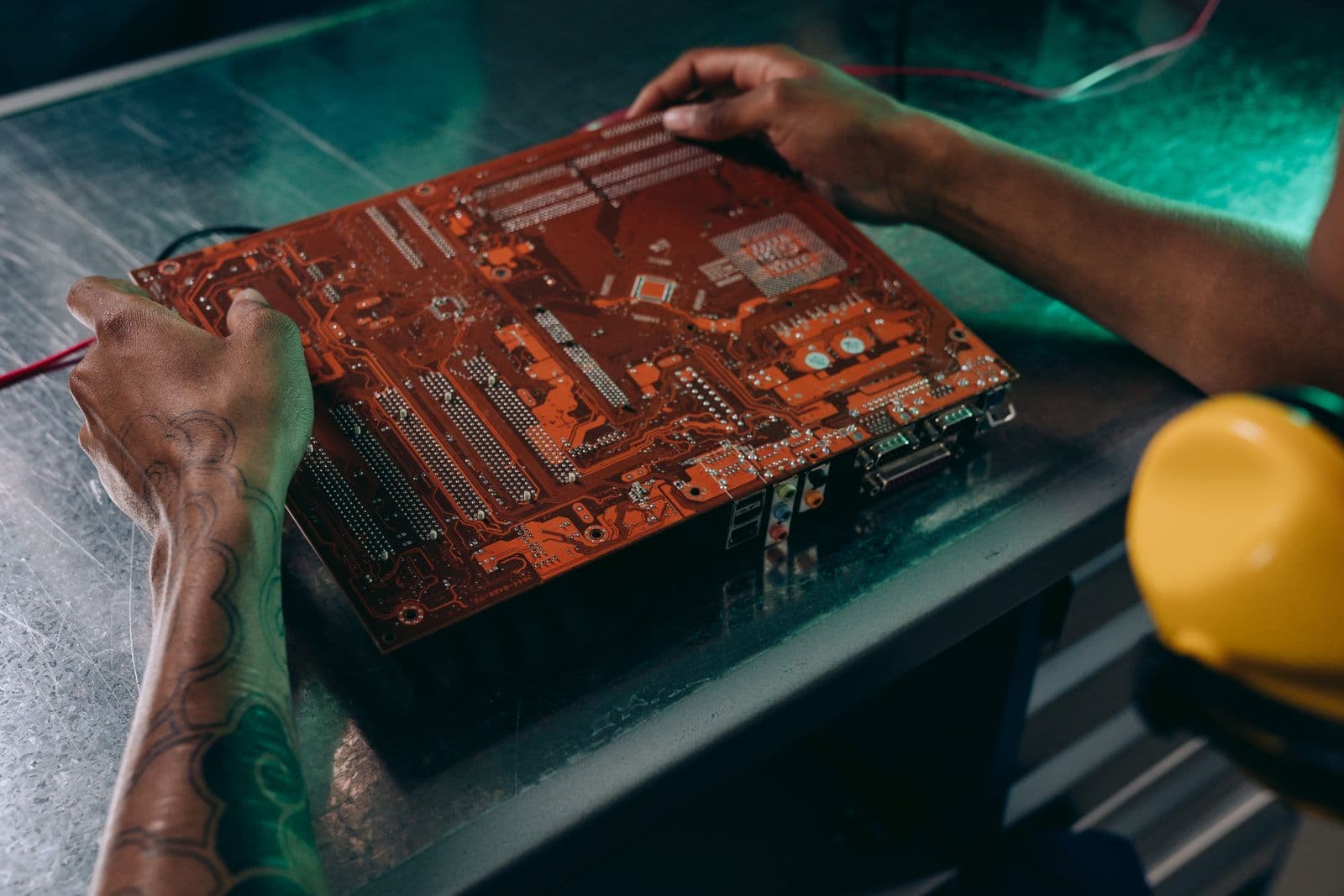
An integrated circuit stores about 16 tunes; its output is amplified a little and fed to a speaker. The work is soldering, assembly, testing and packing. The KVIC profile needs no shed of its own and only test instruments and hand tools.
Capacity: 9,000 door bells a year; projected sales ₹8.50 lakh at full capacity.
§2Is it right for you?
Who it is for
A beginner in electronics, a student or a home-based worker wanting a side income.
Who it is not for
Someone who needs a full family income from this alone.
Advantages
- Very small investment (₹1.60 lakh)
- Can run from home or a small room
- Easy to learn soldering and assembly
- Sells through every electrical shop
Drawbacks
- Small income (about ₹1 lakh a year at full capacity)
- Cheap imported bells set the market price
- Depends on bought-in chips
- Packaging is a big share of cost
Skills you need
- Soldering and PCB assembly
- Basic testing with a multimeter
- Packing and branding
- Selling to electrical shops
Why difficulty 1/5: Tiny investment and simple assembly.
§3Market
Who buys
- Households
- Builders and electricians fitting new homes
How it sells
- Electrical and hardware shops
- Wholesalers
Good to know
- The profile says electronic bells play pleasant tunes compared with ordinary electric bells.
§4Raw material & machinery
| Item | Qty | Cost |
|---|---|---|
| 10 MHz oscilloscope | 1 | — |
| Multimeters | 1 set | — |
| Low-cost DC power supply | 1 | — |
| Hand tools, jigs and fixtures; office equipment, furniture and work table | 1 lot | ₹50,000 (all equipment together) |
From: KVIC Project Profile — Electronic Door Bells (PMEGP)
- Melody ICs (about 16 tunes), speakers, small amplifier parts, PCBs and casingsraw material ₹3.36 lakh a year at full capacity
- Labels and packing₹75,000 a year
§5Licences & registration
- Udyam registration
- GST registration
- BIS certification if a Quality Control Order covers the product (check the BIS list)
§6Schemes & subsidies
- PMEGPCentralActive15–35% subsidy
- MudraCentralActiveLoan up to ₹20 lakh, no collateral
- CM YUVAUPActiveUp to ₹5 lakh, interest-free
- CGTMSECentralActiveNo collateral, up to ₹10 crore
PMEGP fits (the profile was made for it); MUDRA covers a loan this size; in UP, CM-YUVA covers projects up to ₹5 lakh; CGTMSE gives a collateral-free guarantee.
§7Money
How the investment is worked out: Equipment ₹0.50 lakh (oscilloscope, multimeters, DC power supply, hand tools, jigs, furniture and work table), working capital ₹1.10 lakh = ₹1.60 lakh. No shed cost (rented space).
Working capital: Working capital ₹1.10 lakh; raw material ₹3.36 lakh and labels/packing ₹0.75 lakh a year.
Year not printed on the KVIC profile — check current machinery prices.
§8Export potential
The project report gives no HS code — find the right 8-digit ITC(HS) code on the DGFT website before you export.
§9Risks — where people fail
- Import competition
- Chip supply gaps
- Low margins
- Returns from faulty pieces
§1030 / 60 / 90-day plan
A general plan that applies to any business. A plan for this business will be added after research.
- Days 1–30: Visit a working electronic door bell assembly unit, ask 10 buyers about price and quantity, and get quotations from 3 suppliers.
- Days 31–60: Udyam and the licences you need (Udyam registration, GST registration), a project report (DPR), and the scheme or loan file.
- Days 61–90: Space and machines, trial production, and first deliveries to 10 customers.
§11Who to connect with
Associations, clusters and training institutes — the directory is being built. Connect
§12Watch
There is no episode on this business yet. Shows are coming soon on the Podcast page.
Want to start Electronic Door Bell Assembly?
DPR, loan file or registration — ask us on WhatsApp.
¶Sources
Data review: 6 October 2026. Spotted a mistake? Report it. For information only — not legal or financial advice.