

§1What this business is
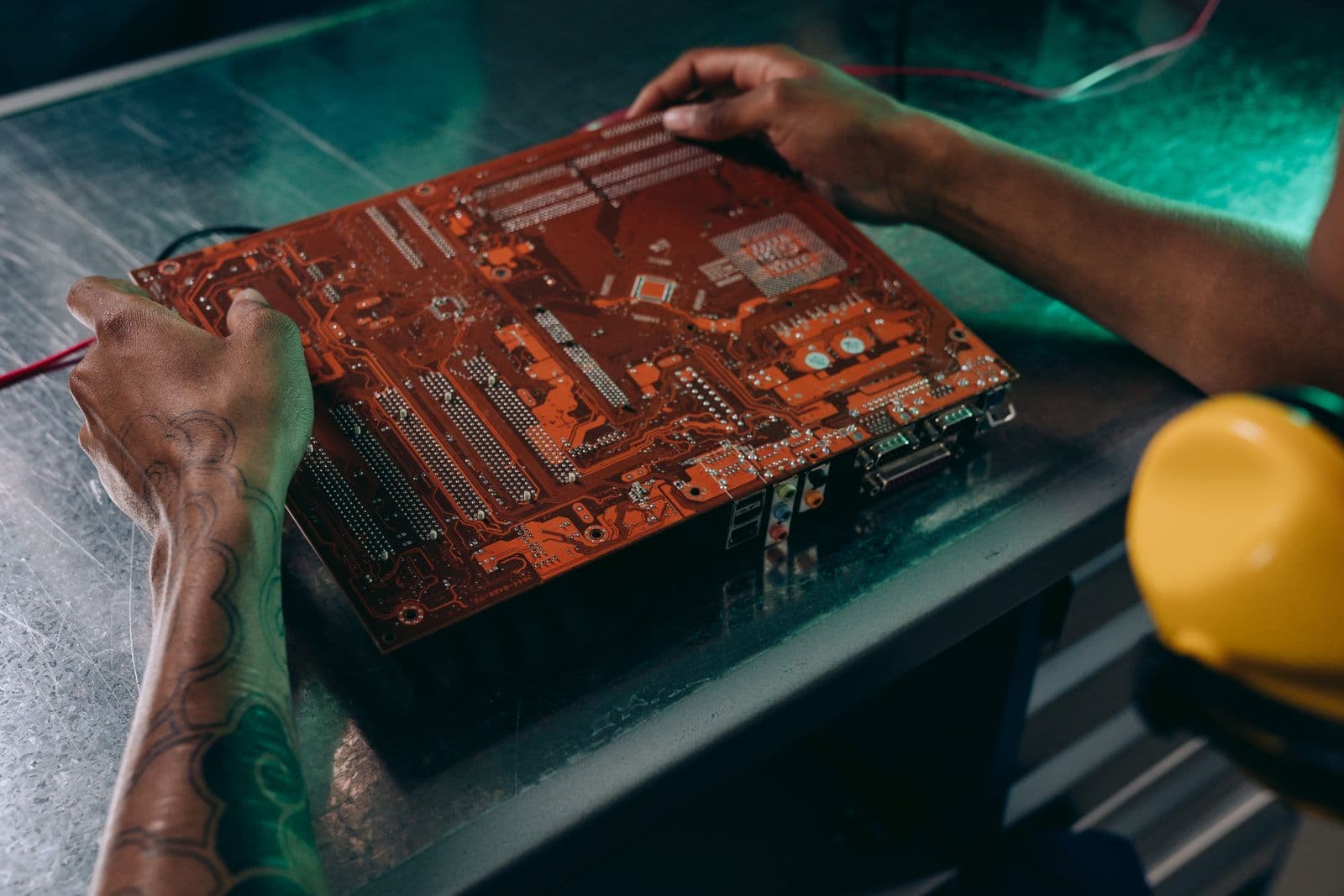
A one-room workshop with a signal generator, oscilloscope, meters and soldering tools repairs household electronics. KVIC has run a rural electronics programme since 1990, and this profile is its model for a village repair unit.
Capacity: Repair income ₹1.50 lakh a year at full capacity.
§2Is it right for you?
Who it is for
A trained electronics mechanic in a village or small town.
Who it is not for
Someone without repair training.
Advantages
- Very small investment (₹1.13 lakh)
- Every village has appliances to repair
- Owner's skill is the main asset
- Can grow into mobile and LED repair
Drawbacks
- The profile's income figures are very old and low
- Cheap new products reduce repair work
- Need to keep learning new models
- Spare parts are hard to find for some brands
Skills you need
- Fault finding with meters and oscilloscope
- Soldering and desoldering
- Sourcing spare parts
- Honest pricing and customer trust
Why difficulty 1/5: Tiny investment; depends on repair skill.
§3Market
Who buys
- Village and town households
- Small shops and offices
How it sells
- Walk-in customers
- Home visits
Good to know
- KVIC says electronic repair units now have a place even in remote areas.
§4Raw material & machinery
| Item | Qty | Cost |
|---|---|---|
| Signal generator | 1 | — |
| Oscilloscope | 1 | — |
| Digital and analogue multimeters, ammeter | 1 set | — |
| Test panel | 1 | — |
| Soldering iron, desoldering pump, tools and table | 1 lot | ₹43,000 (all equipment together) |
From: KVIC Project Profile — Electronic Repair Unit (PMEGP)
- Spare parts and components₹60,000 a year
§5Licences & registration
- Udyam registration
- Shop and establishment registration
- GST registration if turnover crosses the limit
§6Schemes & subsidies
- PMEGPCentralActive15–35% subsidy
- MudraCentralActiveLoan up to ₹20 lakh, no collateral
- CM YUVAUPActiveUp to ₹5 lakh, interest-free
PMEGP fits (the profile was made for it); MUDRA Shishu covers this size; in UP, CM-YUVA covers projects up to ₹5 lakh.
§7Money
How the investment is worked out: Building shed 250 sq ft ₹0.50 lakh, equipment ₹0.43 lakh, working capital ₹0.20 lakh = ₹1.13 lakh. Land own.
Working capital: Working capital ₹0.20 lakh; spare parts ₹0.60 lakh a year.
Year not printed on the KVIC profile — check current machinery prices. The profile was written for KVIC's older REGP scheme.
§8Export potential
A local service business; it has no goods to export.
§9Risks — where people fail
- Falling repair demand
- Unpaid or abandoned jobs
- Parts unavailability
- Competition from brand service centres
§1030 / 60 / 90-day plan
A general plan that applies to any business. A plan for this business will be added after research.
- Days 1–30: Visit a working electronic appliance repair unit unit, ask 10 buyers about price and quantity, and get quotations from 3 suppliers.
- Days 31–60: Udyam and the licences you need (Udyam registration, Shop and establishment registration), a project report (DPR), and the scheme or loan file.
- Days 61–90: Space and machines, trial production, and first deliveries to 10 customers.
§11Who to connect with
Associations, clusters and training institutes — the directory is being built. Connect
§12Watch
There is no episode on this business yet. Shows are coming soon on the Podcast page.
Want to start Electronic Appliance Repair Unit?
DPR, loan file or registration — ask us on WhatsApp.
¶Sources
Data review: 6 October 2026. Spotted a mistake? Report it. For information only — not legal or financial advice.