

§1What this business is
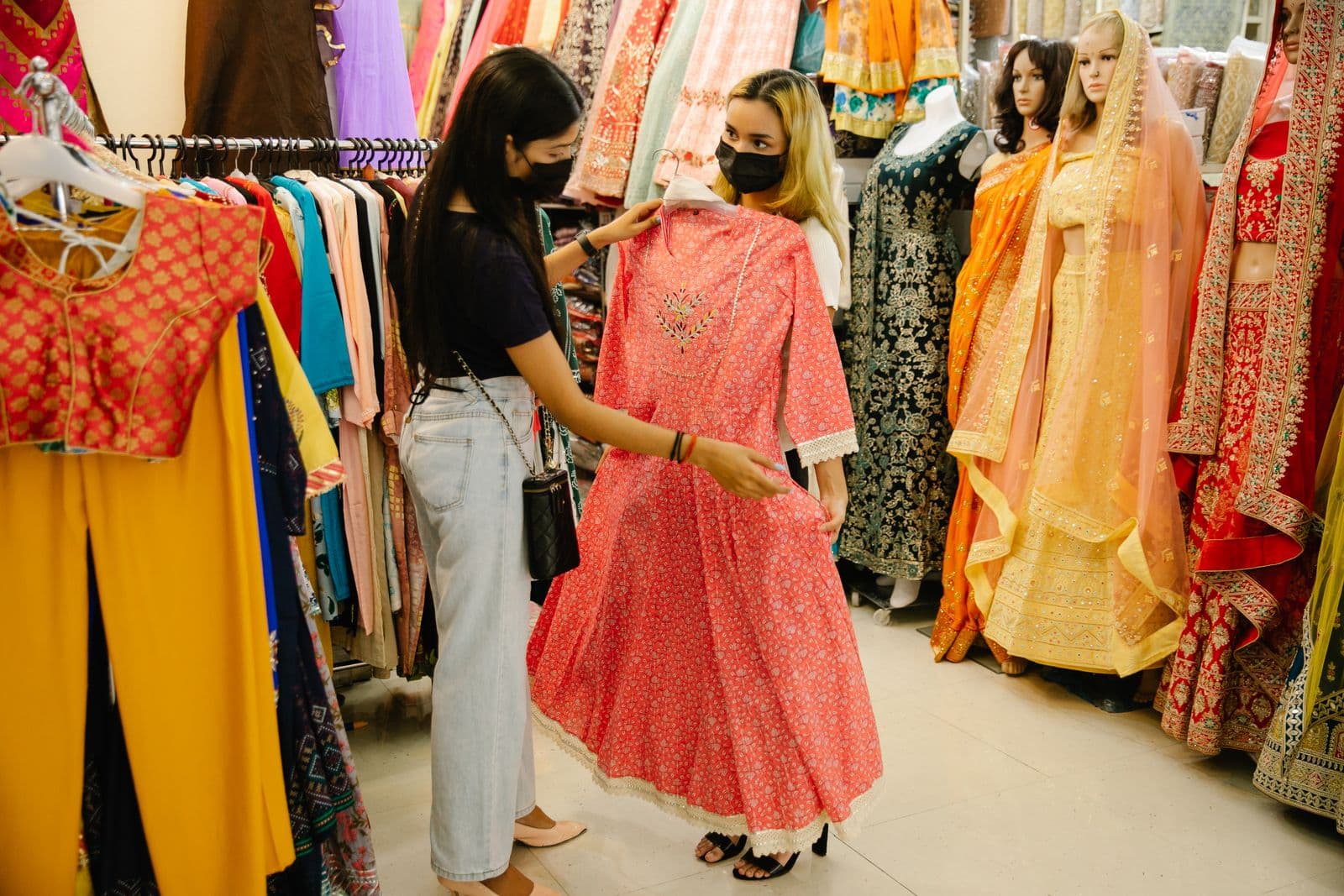
Village farmers supply hemp and nettle stalks; fibre is extracted, cleaned, spun, naturally dyed and woven in rural centres in Chamoli, Pithoragarh and Almora. Two designers and ten artisans turn the fabric into shirts, dresses, jackets, scarves, stoles, trousers, bags and hats, plus curtains, cushion covers and table runners. A boutique in Dehradun, Rishikesh, Nainital or Mussoorie doubles as an experience store; sales also go through Amazon, Etsy, the brand website and B2B export buyers in Europe, Japan and North America.
§2Is it right for you?
Who it is for
A designer or textile entrepreneur with capital, export ambitions and links with hill weaving communities.
Who it is not for
A first-time founder looking for a small, quick-return shop.
Advantages
- Hemp and nettle are traditional Himalayan fibres with a strong eco story
- Sustainable fashion buyers pay premium prices
- Wide range: apparel, accessories and home furnishings
- Export demand in Europe, Japan and North America
Drawbacks
- Large investment (₹1 crore) and a 3–4 year payback
- Higher production cost than synthetic or cotton fabric
- Fibre supply chain is small and unorganised
- Hemp and nettle are less known to buyers than organic cotton
Skills you need
- Natural fibre processing and weaving
- Fashion design and finishing
- Brand storytelling and e-commerce
- Export marketing and trade fairs
Why difficulty 5/5: High capital, an unorganised fibre supply and a long payback.
§3Market
Who buys
- Eco-conscious urban buyers in Delhi, Mumbai and Bengaluru
- Tourists in hill towns
- Designer and sustainable fashion platforms
- Export buyers in Europe, Japan and North America
How it sells
- Boutique-cum-experience store
- Amazon, Etsy and own website
- Hotel and resort pop-ups and exhibitions
- International trade fairs and B2B sourcing platforms
Good to know
- Average selling price in the profile's break-even table is ₹1,000 a unit.
§4Raw material & machinery
| Item | Qty | Cost |
|---|---|---|
| Fibre extraction machines | — | — |
| Spinning wheels and looms | — | — |
| Stitching machines | — | — |
| Natural dyeing units | — | — |
| Cutting and finishing tools | — | — |
| Machinery and equipment (total) | — | ₹25 lakh |
From: Uttarakhand DUY project profile — Boutique for Eco-Fabrics (Hemp/Nettle) in Uttarakhand
- Hemp and nettle stalks / fibrefrom farmers in Uttarakhand's hill districts
- Natural dyes and cotton blendssupporting material
- Buttons, threads, zipperstrims for garments
- Raw material procurement (total)₹10 lakh
From: Uttarakhand DUY project profile — Boutique for Eco-Fabrics (Hemp/Nettle) in Uttarakhand
§5Licences & registration
- Udyam
- GST
- Shop and establishment registration / trade licence
- Hemp fibre bought only from growers licensed under the state's industrial hemp rules
- IEC for exports
- Trademark for the brand
§6Schemes & subsidies
- PMEGPCentralActive15–35% subsidy
- MudraCentralActiveLoan up to ₹20 lakh, no collateral
- CGTMSECentralActiveNo collateral, up to ₹10 crore
- Stand-Up IndiaCentralClosed₹10 lakh – ₹1 crore loan
The profile counts ₹20 L of government subsidy or grant; NRLM and the state handloom department support artisan training. CGTMSE can back the ₹50 L loan.
§7Money
How the investment is worked out: Infrastructure ₹35 L + machinery and equipment ₹25 L + raw material ₹10 L + marketing and branding ₹15 L + working capital ₹15 L = ₹100 L. Finance: promoter ₹30 L, bank/institutional loan ₹50 L, government subsidy or grant ₹20 L.
Working capital: Working capital ₹15 L within the project cost.
Year not printed on the profile — check current machinery and fit-out costs.
§8Export potential
Export council / board: Handloom Export Promotion Council (HEPC)
- The profile targets exports but prints no HS codes; garments and fabrics of hemp or nettle fall under different ITC(HS) lines — check with DGFT.
§9Risks — where people fail
- Irregular fibre supply
- Slow sales at premium prices
- Quality variation in handwoven fabric
- Legal limits on hemp cultivation affecting supply
§1030 / 60 / 90-day plan
A general plan that applies to any business. A plan for this business will be added after research.
- Days 1–30: Visit a working hemp and nettle eco-fabric boutique unit, ask 10 buyers about price and quantity, and get quotations from 3 suppliers.
- Days 31–60: Udyam and the licences you need (Udyam, GST), a project report (DPR), and the scheme or loan file.
- Days 61–90: Space and machines, trial production, and first deliveries to 10 customers.
§11Who to connect with
Associations, clusters and training institutes — the directory is being built. Connect
§12Watch
There is no episode on this business yet. Shows are coming soon on the Podcast page.
Want to start Hemp and Nettle Eco-Fabric Boutique?
DPR, loan file or registration — ask us on WhatsApp.
¶Sources
Data review: 6 October 2026. Spotted a mistake? Report it. For information only — not legal or financial advice.