

§1What this business is
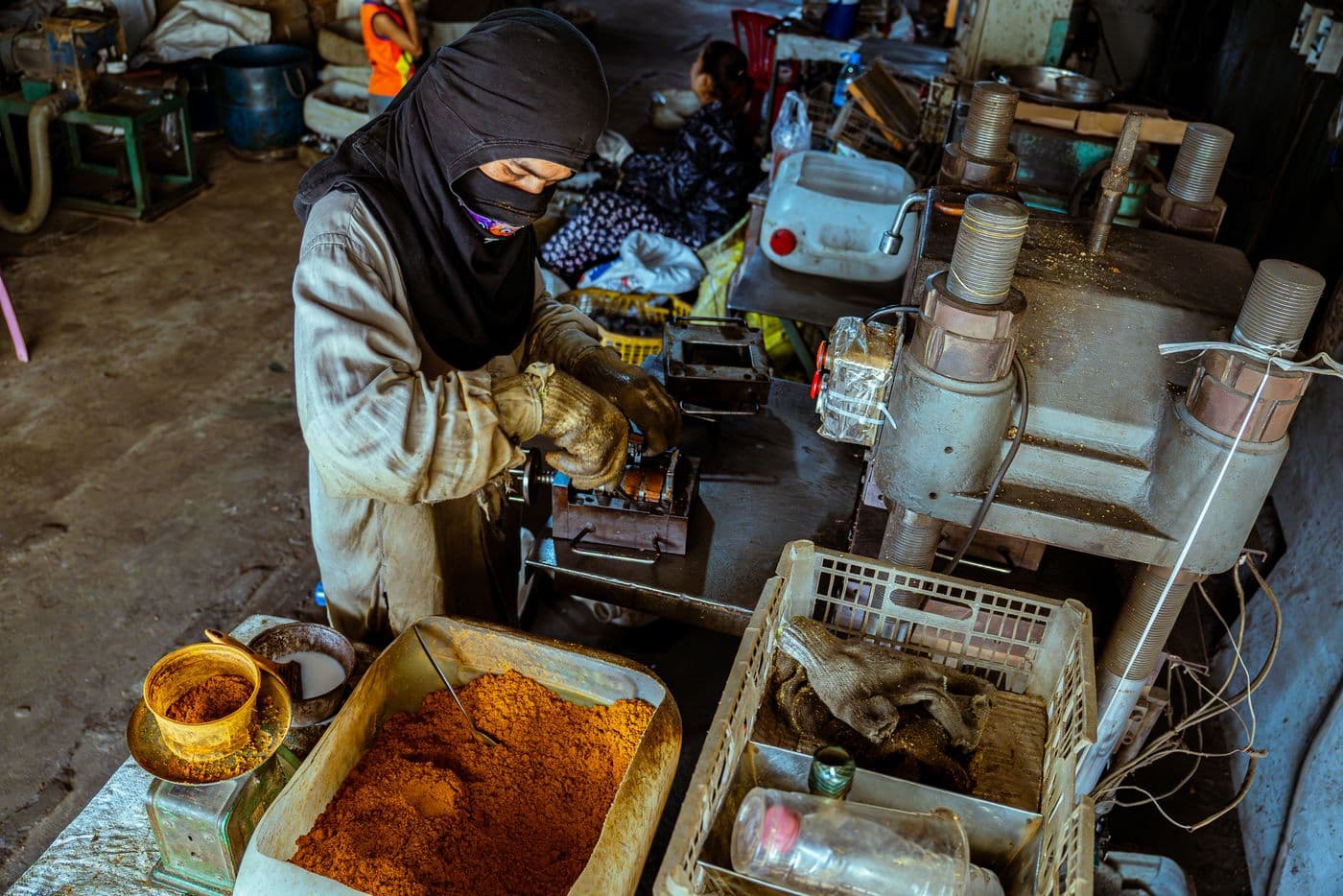
A small central unit near the spice belts (Pauri, Chamoli, Almora, Rudraprayag) buys jakhya, timur, bhangeera seeds, bichhu booti, Himalayan turmeric, wild oregano, ginger and garlic from farmers, SHGs and FPOs; cleans, dries, grades, grinds in small batches and packs them with origin labels and recipe QR codes. Three to five branded outlets in Dehradun, Rishikesh, Nainital, Almora and Haldwani, plus seasonal kiosks on yatra routes, sell whole spices, powders, blends like 'Pahadi Garam Masala', and gift boxes. Hotels, cafés and Ayurvedic centres buy in bulk.
Capacity: 300–500 kg of spices handled a month; monthly revenue ₹1.5–2.5 L in year 1, ₹3.5–5 L in year 2, ₹5.5–6.5 L in year 3.
§2Is it right for you?
Who it is for
An agri-business or herbal-products person already working with SHGs or FPOs in spice areas.
Who it is not for
Someone wanting a single simple shop — this is processing plus a chain of stores.
Advantages
- Unique hill spices with no organised retail today
- Tourists buy spices as light, giftable souvenirs
- Gift boxes and blends carry 25–35% margins
- Gives spice growers and forest collectors a steady buyer
Drawbacks
- Wild spice supply varies with season and weather
- Buyers need to be taught how to use jakhya or timur
- Premium prices slow sales at first
- Running several outlets and a processing unit at once
Skills you need
- Spice cleaning, drying and moisture control
- Food safety and labelling
- Retail operations across outlets
- Storytelling, branding and online sales
Why difficulty 3/5: Small processing plus multiple outlets and seasonal sourcing.
§3Market
Who buys
- Tourists and pilgrims
- Urban wellness shoppers
- Boutique hotels, cafés and restaurants
- Ayurvedic centres and yoga schools
- Online buyers
How it sells
- Branded outlets and seasonal kiosks
- Gift boxes and hampers (₹500–1,500)
- Institutional supply (₹2,000–10,000 per order)
- Website, WhatsApp, ONDC and marketplaces
Good to know
- Packaged spice prices in the profile range ₹30–250.
- The profile mentions GI branding and ODOP stalls for visibility.
§4Raw material & machinery
| Item | Qty | Cost |
|---|---|---|
| Spice grinders, 5–10 kg/hr, SS304 | 2 | ₹40,000–60,000 |
| Electric tray dryer, 12–24 trays | — | ₹80,000–1,20,000 |
| Foot sealer, 12–18 inch | — | ₹8,000–12,000 |
| Digital weighing scale, 1 g–10 kg | — | ₹2,000–4,000 |
| Portable moisture meter | — | ₹10,000–15,000 |
| Thermal label printer | — | ₹15,000–20,000 |
| Utility van with insulated containers | 1 | — |
From: Uttarakhand DUY project profile — Specialty Himalayan Spices Retail Chain in Uttarakhand
- Jakhya, timur, bhangeera, bichhu booti, Himalayan turmeric, wild oregano, ginger, garlic300–500 kg a month from farmers, SHGs and FPOs
- Kraft paper pouches, glass jars, cloth spice bagseco-friendly packing
From: Uttarakhand DUY project profile — Specialty Himalayan Spices Retail Chain in Uttarakhand
In our raw material database
§5Licences & registration
- FSSAI licence (processing and retail)
- Udyam
- GST
- Legal Metrology registration for packed spices
- Trade licence for each outlet
- Forest Department permission for wild-collected produce where required
§6Schemes & subsidies
- PMFMECentralUnclear35% subsidy, up to ₹10 lakh
- AIFCentralUnclear3% interest subvention, up to ₹2 crore
- MudraCentralActiveLoan up to ₹20 lakh, no collateral
- CGTMSECentralActiveNo collateral, up to ₹10 crore
- Stand-Up IndiaCentralClosed₹10 lakh – ₹1 crore loan
The profile names DUY and PMFME (35% capital subsidy up to ₹10 L) and AIF for the processing unit; MUDRA and CGTMSE fit the bank loan.
§7Money
How the investment is worked out: Processing and packaging unit ₹6.00–7.00 L + 3–5 retail outlets ₹5.00–6.00 L + branding and promotion ₹1.50–2.00 L + 4 months' working capital ₹4.00–5.00 L = ₹16.50–20.00 L. Promoter 20–30%; rest from bank loans; DUY/PMFME capital subsidy for the processing unit.
Working capital: Four months' working capital ₹4.00–5.00 L within the project cost.
Year not printed on the profile — check current dryer, grinder and shop costs.
§8Export potential
Export council / board: Spices Board India
- The profile sees export to Ayurveda markets in the EU, USA and South-East Asia as a later step; it prints no HS codes — check each spice's ITC(HS) line with DGFT.
§9Risks — where people fail
- Poor harvest of wild spices
- Aroma loss or moisture damage in storage
- Slow-selling outlets
- Unclear GI or origin claims
§1030 / 60 / 90-day plan
A general plan that applies to any business. A plan for this business will be added after research.
- Days 1–30: Visit a working himalayan specialty spices retail chain unit, ask 10 buyers about price and quantity, and get quotations from 3 suppliers.
- Days 31–60: Udyam and the licences you need (FSSAI licence (processing and retail), Udyam), a project report (DPR), and the scheme or loan file.
- Days 61–90: Space and machines, trial production, and first deliveries to 10 customers.
§11Who to connect with
Associations, clusters and training institutes — the directory is being built. Connect
§12Watch
There is no episode on this business yet. Shows are coming soon on the Podcast page.
Want to start Himalayan Specialty Spices Retail Chain?
DPR, loan file or registration — ask us on WhatsApp.
¶Sources
Data review: 6 October 2026. Spotted a mistake? Report it. For information only — not legal or financial advice.