

§1What this business is
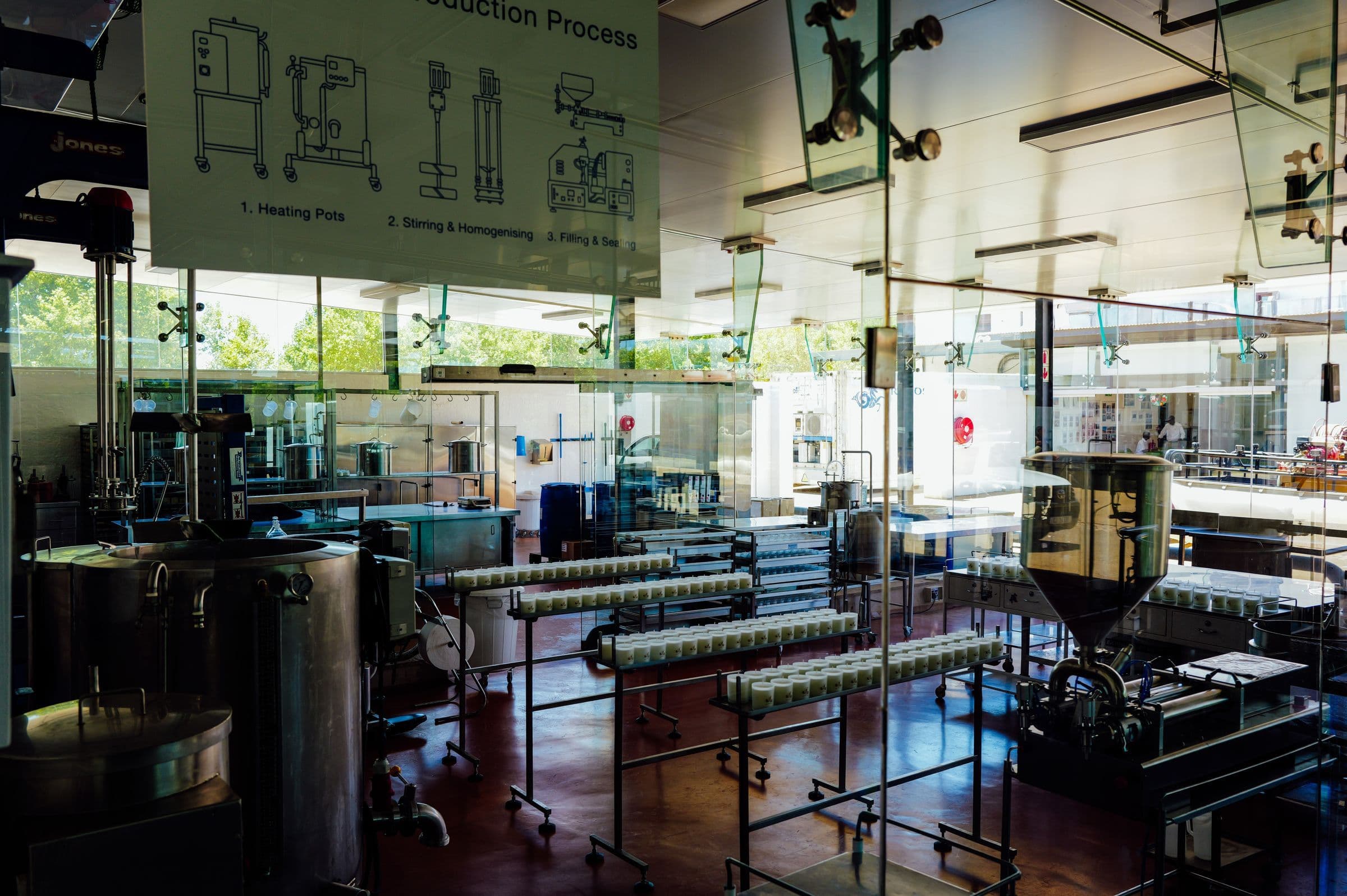
A small kitchen-style unit cleans grains and vegetables, prepares the masalas, cooks each dish to a fixed recipe, then preserves and packs it in 100–500 g packets. The profile names dishes such as sambar rice, palak paneer, dal makhani, vegetable pulao, rajma chawal, upma and pav bhaji. Buyers are working families, students and young people who have little time to cook; sales go through grocery shops, supermarkets and online sellers.
Capacity: 400 packets a day at an average ₹45 a packet (₹54.00 L sales a year at full capacity).
§2Is it right for you?
Who it is for
A cook or food-technology graduate with tested recipes and links to distributors.
Who it is not for
Someone who cannot spend on packaging, shelf-life tests and shop-by-shop selling.
Advantages
- Working families want home-style food that is quick to serve
- Simple kitchen equipment — no heavy plant
- You can add regional dishes that local buyers like
- The profile breaks even at about a third of capacity
Drawbacks
- Long shelf life without preservatives is hard to achieve
- National brands already fill supermarket shelves
- The profile shows a loss in the first year
- Taste must stay the same in every batch
Skills you need
- Fixing recipes so every batch tastes the same
- Food safety and shelf-life testing
- Packaging and labelling
- Selling to shops and online
Why difficulty 3/5: Cooking is simple, but shelf life, steady taste and getting onto shop shelves are hard.
§3Market
Who buys
- Working families and students with little time to cook
- Households in metro and town markets
How it sells
- Grocery shops and supermarkets through distributors
- Online grocery and food sellers
Good to know
- The profile names West India (Mumbai) and North India (Delhi NCR, Chandigarh) as the largest markets for processed foods.
- Full-capacity sales in the profile are ₹54.00 L a year.
§4Raw material & machinery
| Item | Qty | Cost |
|---|---|---|
| Cookers, vessels, skin-peeling machine and pulp equipment | 10 | ₹5.00 lakh |
| Burners, ovens and stoves | 5 | ₹3.75 lakh |
| Grinding, mixing and juice machine | 1 | ₹1.25 lakh |
| Testing and packing equipment | 1 lot | ₹1.00 lakh |
| Utility equipment | 1 lot | ₹0.25 lakh |
| Installation, taxes and transport | — | ₹0.75 lakh |
From: SIDBI Stand-Up Mitra project profile — Instant & Precooked Food Mixes (2018) — private guide — confirm locally
- Food grains, pulses and riceof the required quality; easily available in the market
- Masalas and edible oilbought locally; steady quality decides the taste
- Packing materialhygienic, good-looking packets
From: SIDBI Stand-Up Mitra project profile — Instant & Precooked Food Mixes (2018) — private guide — confirm locally
§5Licences & registration
- FSSAI licence or registration
- Udyam registration
- GST registration
- FSSAI packaging and labelling rules
- State Pollution Control Board consent where applicable
- Trade licence from the local body
§6Schemes & subsidies
- PMFMECentralUnclear35% subsidy, up to ₹10 lakh
- PMEGPCentralActive15–35% subsidy
- Stand-Up IndiaCentralClosed₹10 lakh – ₹1 crore loan
- CGTMSECentralActiveNo collateral, up to ₹10 crore
PMFME (35% subsidy up to ₹10 L) suits a food unit; PMEGP covers manufacturing projects up to ₹50 L; Stand-Up India for SC/ST or women founders; CGTMSE for a loan without collateral.
§7Money
How the investment is worked out: Plant & machinery ₹12.00 L + furniture and other equipment ₹3.00 L + preliminary/pre-operative ₹1.20 L + working-capital margin ₹10.80 L = ₹27.00 L. No land or building (premises rented). Bank finance ₹20.25 L, promoter ₹6.75 L.
Working capital: Working capital ₹10.80 L (stock ₹5.40 L, receivables ₹2.70 L, overheads ₹2.70 L); the bank funds ₹6.08 L of it.
Prices from 2018 — machinery and running costs will be higher now.
§8Export potential
Confirm the HS code in the DGFT ITC(HS) lookup before you export
Export council / board: APEDA
- Confirm the 8-digit ITC(HS) line with DGFT or your customs broker before shipping.
- You need an Import Export Code (IEC) from DGFT before the first shipment.
§9Risks — where people fail
- Spoiled packets and returns
- Competition from national brands
- Rising grain, oil and packaging prices
- Slow sales in the first year
§1030 / 60 / 90-day plan
A general plan that applies to any business. A plan for this business will be added after research.
- Days 1–30: Visit a working instant and precooked food mixes unit, ask 10 buyers about price and quantity, and get quotations from 3 suppliers.
- Days 31–60: Udyam and the licences you need (FSSAI licence or registration, Udyam registration), a project report (DPR), and the scheme or loan file.
- Days 61–90: Space and machines, trial production, and first deliveries to 10 customers.
§11Who to connect with
Associations, clusters and training institutes — the directory is being built. Connect
§12Watch
There is no episode on this business yet. Shows are coming soon on the Podcast page.
Want to start Instant and Precooked Food Mixes?
DPR, loan file or registration — ask us on WhatsApp.
¶Sources
Data review: 6 October 2026. Spotted a mistake? Report it. For information only — not legal or financial advice.