

§1What this business is
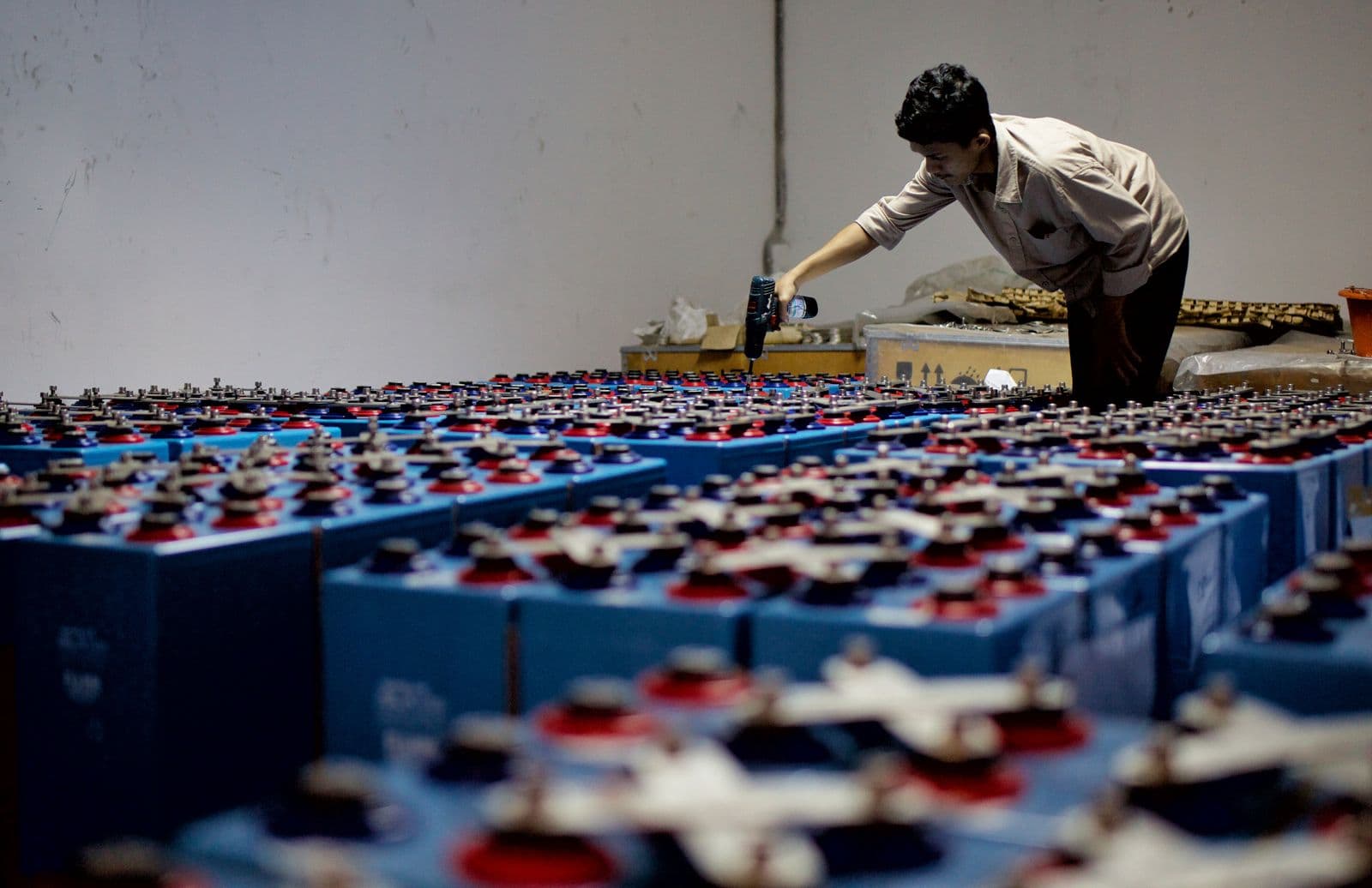
Inverters give standby power during cuts. The KVIC profile plans a small bench workshop that solders, assembles and tests PWM MOSFET inverters with features like auto start/stop, overload, short-circuit and deep-discharge protection.
Capacity: 300 inverters a year at a cost of ₹4,062 each (cost of production ₹12.19 L); projected sales ₹15.50 L at full capacity.
§2Is it right for you?
Who it is for
An electronics technician with a local repair base.
Who it is not for
Someone without electronics skills.
Advantages
- Very low equipment cost (₹42,000)
- Power cuts keep demand alive in small towns
- Can add repair and battery sales
- Small space is enough
Drawbacks
- Big brands sell on trust and warranty
- Small volume in the profile (300 a year)
- Electronic parts prices change
- Warranty claims eat profit
Skills you need
- Soldering and PCB testing
- Fault finding
- Buying components
- After-sales service
Why difficulty 2/5: Small and cheap to start, but needs real electronics skill.
§3Market
Who buys
- Households and shops in areas with power cuts
- Small offices and clinics
How it sells
- Electrical and electronics dealers
- Direct sale with installation
Good to know
- The profile says inverters protect devices from voltage fluctuation and give continuous supply.
§4Raw material & machinery
| Item | Qty | Cost |
|---|---|---|
| Multimeters, soldering stations, test bench, component rack, PCB jig, variac, megger, stools, tool kit, extension cord, battery, office equipment and furniture | 1 set | ₹42,000 |
From: KVIC Project Profile — Inverter Assembly (PMEGP)
- PCBs, MOSFETs, transformers, cabinets and wiringraw material ₹7.44 L a year in the profile
- Labels and packing material₹60,000 a year
From: KVIC Project Profile — Inverter Assembly (PMEGP)
Suppliers in Building Business Bazaar
Institute for Design of Electrical Measuring Instruments (IDEMI), Mumbai · Mumbai →Electronics Service & Training Centre (ESTC), Ramnagar · Ramnagar →MSME Technology Centre, Puducherry · Puducherry →MSME Technology Centre, Greater Noida · Greater Noida →MSME Technology Centre, Bengaluru · Bengaluru →
§5Licences & registration
- Udyam registration
- GST registration
- BIS registration under the Compulsory Registration Scheme — check whether your inverter rating is covered
- Trade licence from the local body
§6Schemes & subsidies
KVIC model profile for PMEGP; a MUDRA Kishore loan covers this size.
§7Money
How the investment is worked out: Equipment ₹42,000 + working capital ₹2,25,000 = ₹2.67 L. Work shed rented (not costed).
Working capital: Working capital ₹2.25 L; the profile works out ₹2.03 L per cycle. Raw material is ₹7.44 L a year.
Year not printed on the KVIC profile — check current machinery prices.
§8Export potential
Confirm the HS code in the DGFT ITC(HS) lookup before you export
Export council / board: EEPC India
- Small assemblers mostly sell in the local market.
§9Risks — where people fail
- Product failures and returns
- Price war with brands
- BIS registration requirements
- Battery-related safety issues
§1030 / 60 / 90-day plan
A general plan that applies to any business. A plan for this business will be added after research.
- Days 1–30: Visit a working inverter assembly unit, ask 10 buyers about price and quantity, and get quotations from 3 suppliers.
- Days 31–60: Udyam and the licences you need (Udyam registration, GST registration), a project report (DPR), and the scheme or loan file.
- Days 61–90: Space and machines, trial production, and first deliveries to 10 customers.
§11Who to connect with
Associations, clusters and training institutes — the directory is being built. Connect
§12Watch
There is no episode on this business yet. Shows are coming soon on the Podcast page.
Want to start Inverter Assembly?
DPR, loan file or registration — ask us on WhatsApp.
¶Sources
Data review: 6 October 2026. Spotted a mistake? Report it. For information only — not legal or financial advice.