

§1What this business is
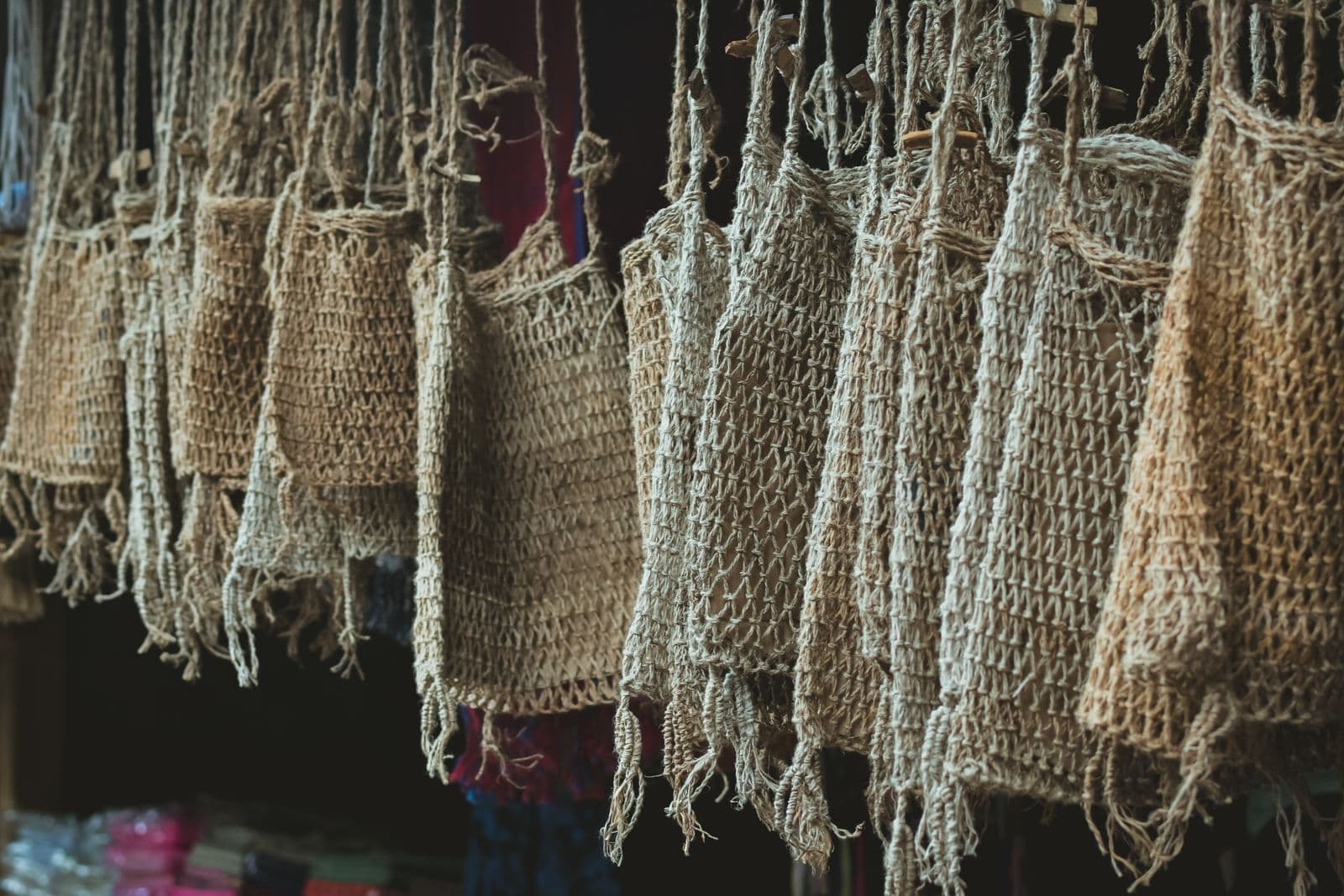
Jute yarn, silk-kela yarn, velvet paper and beads are woven on a jute loom and hand-finished into wall hangings with motifs of flowers, nature, gods and modern patterns. The report describes the Ghazipur cluster, where about 5,000 artisans work, nearly 30% of them women.
Capacity: 200 pieces a day (10-hour shift); 60% capacity in year 1.
§2Is it right for you?
Who it is for
Artisans, self-help groups or craft entrepreneurs in eastern UP and similar clusters.
Who it is not for
Someone with no design or marketing plan — the cluster already struggles with outdated designs.
Advantages
- Eco-friendly handmade product with export demand
- Existing artisan cluster to draw skills from
- Good gross margin (27–31%)
- Affordable price range (₹250–1,000 a piece in the report)
Drawbacks
- Old designs and dyeing methods, says the report
- Yarn bought from local market or Varanasi
- Middlemen take a big share
- Decor demand is fashion-driven
Skills you need
- Jute weaving
- Design and colour trends
- Finishing and quality
- Exhibition and export selling
Why difficulty 2/5: Craft skills are available locally; design and selling need work.
§3Market
Who buys
- Home-decor and handicraft shops
- Exporters and foreign buyers
- Gift buyers
How it sells
- Craft fairs and exhibitions
- Exporters and online marketplaces
Good to know
- The report puts the Ghazipur cluster's output at about ₹150 lakh a year, with exports of about ₹50 lakh.
- The main production areas are Devkali block and Saidpur in Ghazipur district.
§4Raw material & machinery
| Item | Qty | Cost |
|---|---|---|
| Jute weaving loom | 1 | ₹6,00,000 |
| Other machines and equipment | 1 lot | ₹30,000 |
From: PMEGP sample project report — Jute Wall Hanging (prepared by Udyami/Samadhan)
- Raw jute and jute yarnfrom the local market or Varanasi, per the report
- Silk-kela yarnfor decoration
- Velvet paper and beadsfor backing and embellishment
From: PMEGP sample project report — Jute Wall Hanging (prepared by Udyami/Samadhan)
In our raw material database
§5Licences & registration
- Udyam registration
- GST registration
- Artisan identity card (Pehchan) from the Development Commissioner (Handicrafts), for craft schemes
§6Schemes & subsidies
- PMEGPCentralActive15–35% subsidy
- MudraCentralActiveLoan up to ₹20 lakh, no collateral
- CGTMSECentralActiveNo collateral, up to ₹10 crore
Prepared for PMEGP; MUDRA and CGTMSE cover this size.
§7Money
How the investment is worked out: Plant & machinery ₹6.30 L + furniture ₹0.70 L + working capital ₹3.77 L = ₹10.77 L. Land owned or rented. Term loan ₹6.30 L, working capital ₹3.40 L, own ₹1.08 L.
Working capital: Working capital ₹3.77 L (bank ₹3.40 L): 15 days of stock and 15 days' credit.
Year not printed in the report — check current machinery and raw-material prices.
§8Export potential
Confirm the HS code in the DGFT ITC(HS) lookup before you export
Export council / board: EPCH (Export Promotion Council for Handicrafts)
- Hand-woven tapestries can fall under 5805 — check by construction.
§9Risks — where people fail
- Designs going out of fashion
- Dependence on middlemen
- Yarn supply and price
- Slow-moving stock
§1030 / 60 / 90-day plan
A general plan that applies to any business. A plan for this business will be added after research.
- Days 1–30: Visit a working jute wall hanging making unit, ask 10 buyers about price and quantity, and get quotations from 3 suppliers.
- Days 31–60: Udyam and the licences you need (Udyam registration, GST registration), a project report (DPR), and the scheme or loan file.
- Days 61–90: Space and machines, trial production, and first deliveries to 10 customers.
§11Who to connect with
Associations, clusters and training institutes — the directory is being built. Connect
§12Watch
There is no episode on this business yet. Shows are coming soon on the Podcast page.
Want to start Jute Wall Hanging Making?
DPR, loan file or registration — ask us on WhatsApp.
¶Sources
Data review: 6 October 2026. Spotted a mistake? Report it. For information only — not legal or financial advice.