

§1What this business is
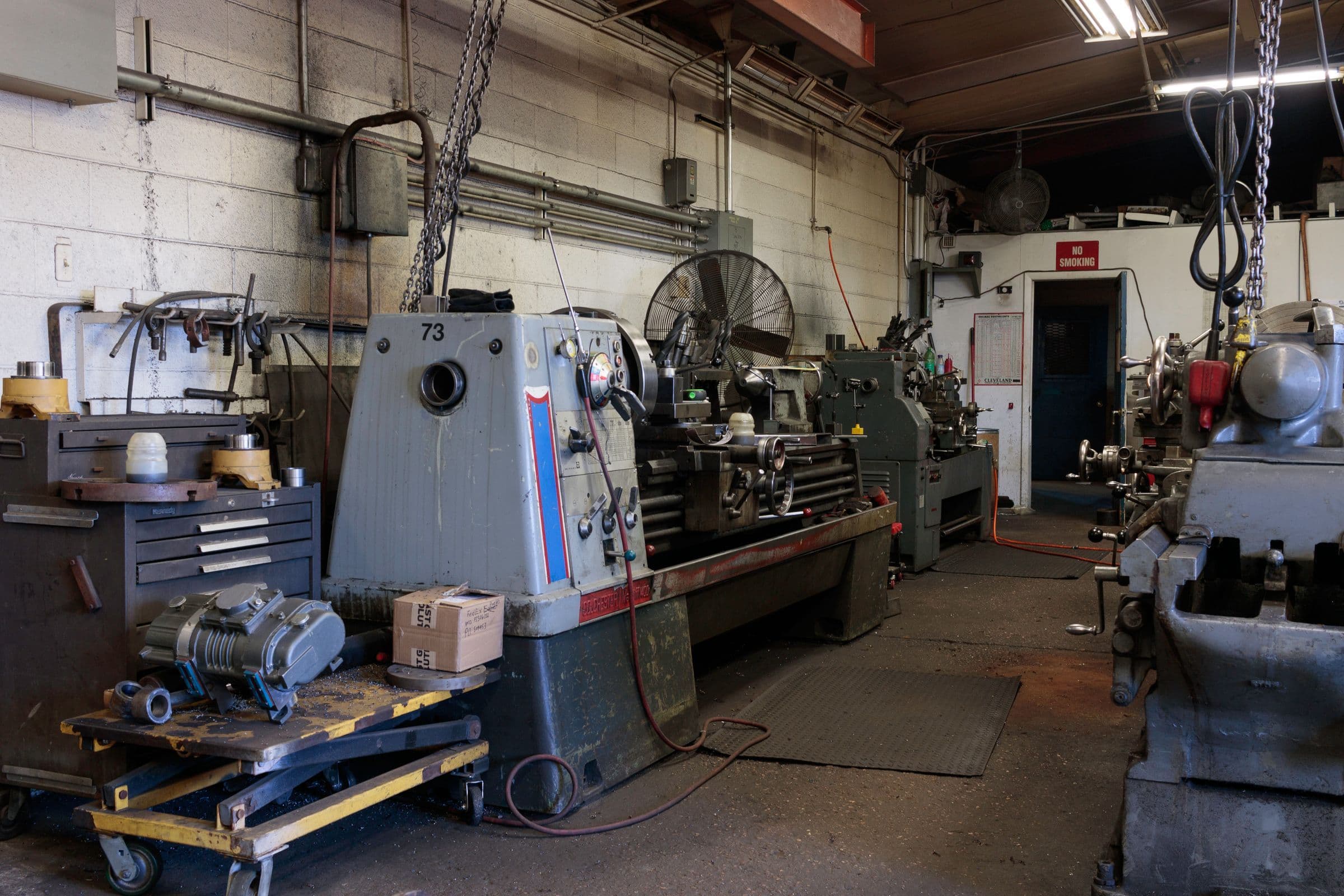
Manual sprayers are used to spray pesticides, weedicides and liquid fertiliser on crops without an engine or battery. The report lists the common types: hand sprayer, stirrup pump, hand compression sprayer, rocker sprayer, foot sprayer and knapsack sprayer. The unit makes the plastic can on a blow-moulding machine, turns and drills brass nozzles on a lathe, bends the spray tube and the handle, and assembles and tests the sprayer. The report budgets for 18,000 sprayers a year sold at ₹2,000 each. It notes that imports are still large mainly because of quality and branding, so a careful Indian maker has room to grow.
Capacity: 18,000 manual sprayers a year in the sales table (single shift, 300 days); the report assumes 75% capacity use.
§2Is it right for you?
Who it is for
A plastics moulder or farm-equipment dealer with a dealer network in farming districts.
Who it is not for
Someone without a route to agri-input dealers, or who cannot hold stock through the off-season.
Advantages
- Every farm needs a sprayer and they are replaced regularly
- No engine or battery, so the product is simple to make and service
- Imports are large, leaving room for a good Indian product
- The same blow-moulding line can make tanks of other sizes
Drawbacks
- Outlay of ₹2.20 crore is large for a simple product
- Many small makers and cheap imports compete on price
- Sales are seasonal, peaking before and during the crop season
- Battery sprayers are taking share from manual ones
Skills you need
- Plastic blow moulding
- Brass turning and drilling for nozzles
- Pressure and leak testing
- Selling through agri-input dealers
Why difficulty 3/5: Simple product, but a large outlay and a crowded, seasonal market.
§3Market
Who buys
- Farmers and orchard growers
- Agri-input and farm-equipment dealers
- State agriculture departments and co-operatives
How it sells
- Distributors and agri-input dealers in farming districts
- Supply against government and co-operative orders
- Own brand sold through dealers
Good to know
- The report prices a manual sprayer at ₹2,000.
- Its chart shows imports of ₹179.99 crore in 2017-18, ₹153.93 crore in 2018-19 and ₹81.83 crore in 2019-20.
- The report asks makers to match imported quality and to adopt ZED certification.
§4Raw material & machinery
| Item | Qty | Cost |
|---|---|---|
| Fully automatic blow-moulding machine | 1 | ₹50,00,000 |
| Machines for nozzles and pipes (lathe, drill, bending machines) | — | ₹30,00,000 |
| Packaging and testing equipment (miscellaneous) | LS | ₹40,00,000 |
| Office equipment | — | ₹35,00,000 |
From: DC-MSME import-substitution DPR — Insecticide Dusters and Sprayers (Manual Only)
- Plastic for the moulded can390 kg a month; ₹8,19,000 a month as printed
- Brass pipe2,000 metres a month; ₹1,00,000
- Nozzles1,000 a month; ₹50,000
- MS pipe for the handle500 metres a month; ₹31,000
From: DC-MSME import-substitution DPR — Insecticide Dusters and Sprayers (Manual Only)
§5Licences & registration
- Udyam registration
- GST registration
- Factory licence
- State Pollution Control Board consent for plastic moulding
- BIS certification where buyers or subsidy schemes ask for ISI-marked sprayers
Start it in your state
Pick your state: today’s cost, central + state subsidy, raw material, land and help, on one page.
§6Schemes & subsidies
At ₹2.20 crore the project is above PMEGP's ₹50 lakh ceiling for manufacturing. CGTMSE can back the bank loan without collateral.
§7Money
How the investment is worked out: Fixed capital ₹1,73,00,000 (blow-moulding machine ₹50 L, lathe, drill and bending machines for nozzles and pipes ₹30 L, packaging and testing ₹40 L, electrification and installation ₹12 L, office equipment ₹35 L, plus one year's rent ₹6 L) + working capital for 3 months ₹46,75,500 = ₹2,19,75,500.
Working capital: Recurring cost is ₹15,58,500 a month (raw material ₹10 L, wages ₹4.65 L, power ₹62,500, other ₹31,000); the report provides for 3 months, ₹46,75,500.
Year not printed on the report; its import figures end at 2019-20 — check current machinery prices.
§8Export potential
No HS code or export figure is printed in the report; its focus is replacing imports.
§9Risks — where people fail
- Leaking tanks or pumps bringing returns and a bad name
- A poor monsoon cutting farmer purchases
- Swings in plastic and brass prices
- Low-priced imports and battery sprayers
§1030 / 60 / 90-day plan
A general plan that applies to any business. A plan for this business will be added after research.
- Days 1–30: Visit a working manual crop sprayers (knapsack and hand sprayers) unit, ask 10 buyers about price and quantity, and get quotations from 3 suppliers.
- Days 31–60: Udyam and the licences you need (Udyam registration, GST registration), a project report (DPR), and the scheme or loan file.
- Days 61–90: Space and machines, trial production, and first deliveries to 10 customers.
§11Who to connect with
§12Watch
There is no episode on this business yet. Shows are coming soon on the Podcast page.
Want to start Manual Crop Sprayers (Knapsack and Hand Sprayers)?
DPR, loan file or registration — ask us on WhatsApp.
¶Sources
Data review: 6 October 2026. Spotted a mistake? Report it. For information only — not legal or financial advice.