

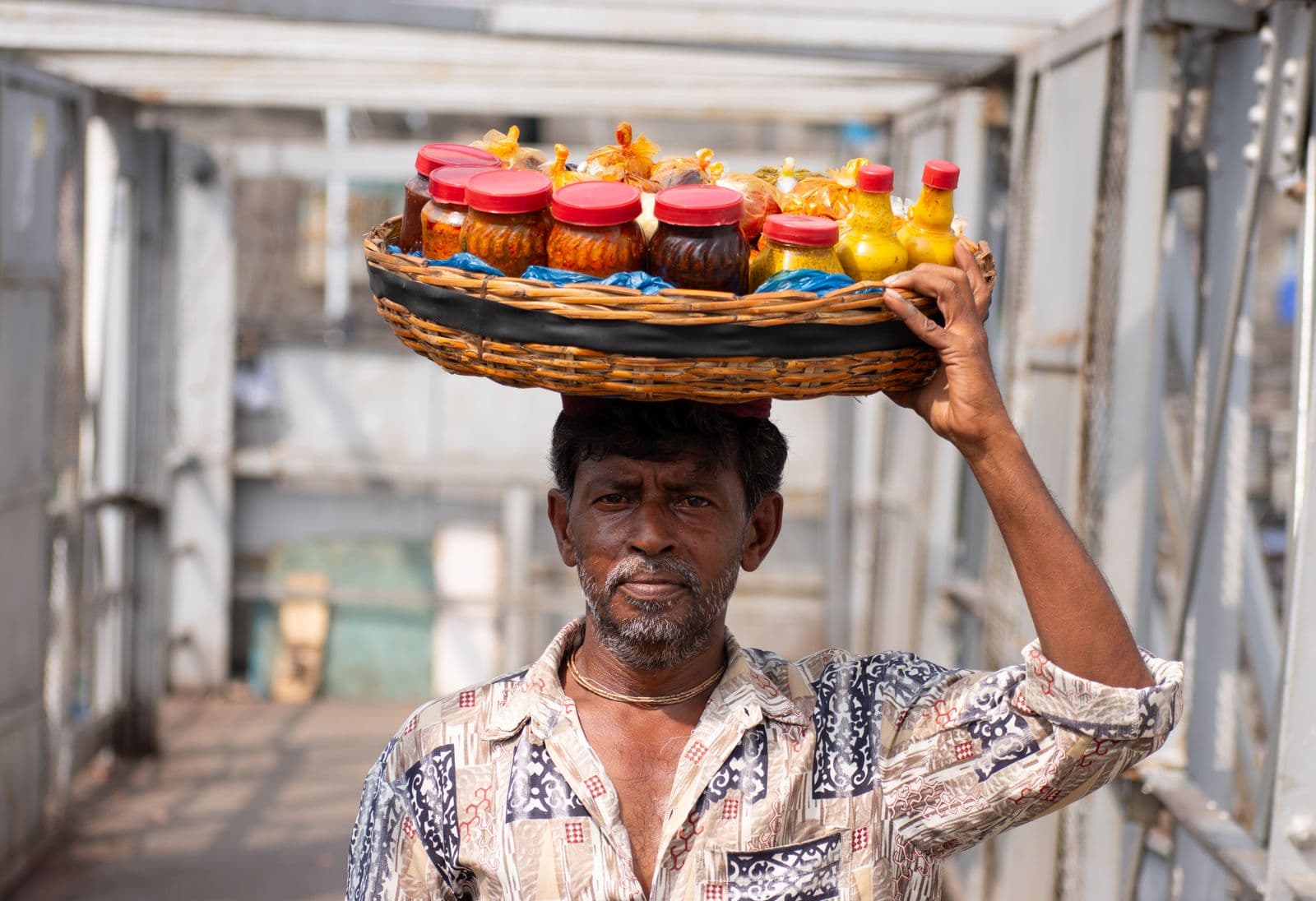
§1What this business is
Mizo chillies are sorted, washed, de-stemmed and cut, then mixed with salt, edible oil, mixed spices and preservatives in a kettle mixer. The mix is left to ferment and age, then filled into jars, sealed and labelled. The report plans a small mechanised line with a washer, gravity separator, slicer, kettle mixer and filling machine.
Capacity: 450 kg of pickle a day on a 10-hour shift; the report takes 30% of capacity in year 1.
§2Is it right for you?
Who it is for
A founder, self-help group or FPO in Mizoram or the nearby North-East with direct access to chilli growers.
Who it is not for
Someone far from the growing area who would have to buy the chilli through several traders.
Advantages
- A regional chilli with a strong name — the report says it is in demand in other states and abroad
- Pickle keeps for months, so stock is not lost quickly
- Raw chilli is grown across Mizoram's districts
- Low break-even (25%) in the report
Drawbacks
- The chilli is seasonal, so a year's stock has to be bought and pickled in a few months
- The report itself flags transport, manufacturing and marketing problems in Mizoram
- Very hot pickle has a narrower set of buyers than mango or lemon pickle
- Jars, lids and oil have to be brought into the hills at a higher cost
Skills you need
- Buying and sorting fresh chilli
- Pickle recipe, salt and oil balance
- Food safety and FSSAI labelling
- Selling to shops, online and to buyers outside the state
Why difficulty 3/5: The process is simple, but seasonal buying, hygiene and selling far from Mizoram take work.
§3Market
Who buys
- Households in the North-East and in cities with North-East communities
- Supermarkets and hypermarkets
- Convenience stores and independent retailers
- Online buyers of regional foods
How it sells
- Local shops and distributors
- Supermarket supply
- Online marketplaces and own website
Good to know
- The report says Mizo chilli is in high demand in neighbouring states and countries.
- It lists supermarkets, convenience stores, independent retailers and online as the main pickle channels.
§4Raw material & machinery
| Item | Qty | Cost |
|---|---|---|
| Tumbler-type vegetable and fruit washing machine | 1 | ₹3,80,000 |
| Gravity separator | 1 | ₹4,00,000 |
| Vegetable slicing machine | 1 | ₹1,20,000 |
| Kettle mixer | 1 | ₹80,000 |
| Pickle filling machine | 1 | ₹1,80,000 |
| Material handling and other equipment | 1 lot | ₹2,40,000 |
From: PMEGP sample project report — Mizo Chilli Pickle (prepared by Udyami/Samadhan)
- Fresh Mizo (bird's eye) chilligrown in Mizoram; the main ingredient
- Saltfor curing and taste
- Edible oilpickling medium
- Mixed spices and preservativesas per recipe
- Jars, lids and labelsfor filling, sealing and labelling
From: PMEGP sample project report — Mizo Chilli Pickle (prepared by Udyami/Samadhan)
§5Licences & registration
- Udyam registration
- GST
- FSSAI registration or licence
- Legal Metrology packaged-commodity registration
- Trademark for your brand (optional)
Start it in your state
Pick your state: today’s cost, central + state subsidy, raw material, land and help, on one page.
§6Schemes & subsidies
- PMEGPCentralActive15–35% subsidy
- PMFMECentralUnclear35% subsidy, up to ₹10 lakh
- CGTMSECentralActiveNo collateral, up to ₹10 crore
PMEGP covers manufacturing projects up to ₹50 L, so ₹21.91 L fits, and North-East units get the higher subsidy rate; PMFME supports micro food-processing units with a credit-linked subsidy; CGTMSE for a loan without collateral.
§7Money
How the investment is worked out: Plant & machinery ₹14.00 L + furniture ₹1.00 L + working capital ₹6.91 L = ₹21.91 L (land own or rented). Finance: term loan ₹13.50 L, own money ₹2.19 L, working-capital loan ₹6.22 L.
Working capital: Working capital ₹6.91 L in the project cost (bank loan ₹6.22 L) — 15 days of raw material and finished stock and 14 days of credit to buyers.
Year not printed on the report — check current machinery prices.
§8Export potential
Export council / board: Not verified yet
- No HS code or export body has been checked against an official list yet.
§9Risks — where people fail
- Poor chilli crop or sharp price rise in a season
- Spoilage from wrong salt, moisture or unclean jars
- High freight cost and transport delays from the hills
- Unsold stock if distribution outside the state is weak
§1030 / 60 / 90-day plan
A general plan that applies to any business. A plan for this business will be added after research.
- Days 1–30: Visit a working mizo chilli (bird's eye chilli) pickle unit, ask 10 buyers about price and quantity, and get quotations from 3 suppliers.
- Days 31–60: Udyam and the licences you need (Udyam registration, GST), a project report (DPR), and the scheme or loan file.
- Days 61–90: Space and machines, trial production, and first deliveries to 10 customers.
§11Who to connect with
§12Watch
There is no episode on this business yet. Shows are coming soon on the Podcast page.
Want to start Mizo Chilli (Bird's Eye Chilli) Pickle?
DPR, loan file or registration — ask us on WhatsApp.
¶Sources
Data review: 6 October 2026. Spotted a mistake? Report it. For information only — not legal or financial advice.