

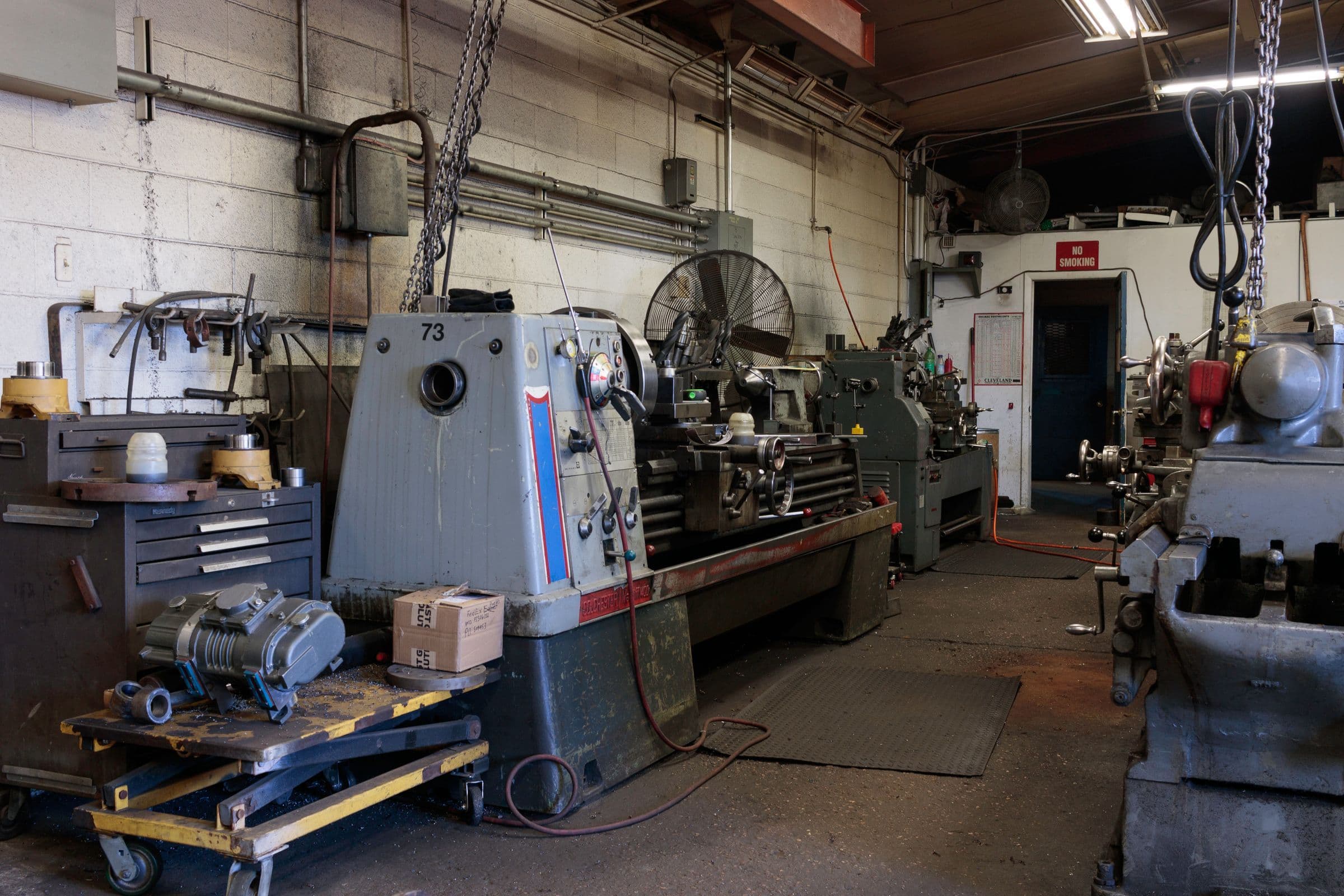
§1What this business is
MS ingots are the basic raw material of steel re-rolling mills, which roll them into rounds, flats, channels, angles and the twisted bars used in building work. Sorted MS scrap is charged into a medium-frequency induction melting furnace, melted and brought to pouring temperature. The liquid steel is poured into cast iron duplex moulds of 4 × 4 × 56 inches that are kept ready with cores. The profile is built around a 1,000 kg, 750 kW furnace with an overhead crane, cooling tower and water softening plant, and allows 5% melting loss.
Capacity: 1,140 tonnes of MS ingots a year, valued at ₹5.70 crore; single shift at 75% efficiency.
§2Is it right for you?
Who it is for
A scrap trader or re-rolling mill owner who wants to make their own ingots.
Who it is not for
Anyone in an area with weak or costly industrial power.
Advantages
- Every re-rolling mill needs ingots or billets all year
- Raw material is local steel scrap
- Few process steps — melt and pour
- The same furnace can make castings or alloy ingots later
Drawbacks
- Needs an 800 HP power connection; the power bill decides the profit
- Scrap and ingot prices change daily
- Liquid metal work carries a risk of explosion and burns
- Larger furnaces with continuous casting make cheaper billets
Skills you need
- Scrap selection and charge mixing
- Running and relining an induction furnace
- Testing steel chemistry
- Safe pouring and mould handling
Why difficulty 4/5: Heavy power load, molten metal hazards and a price-driven commodity market.
§3Market
Who buys
- Steel re-rolling mills making rounds, flats, channels, angles and twisted bars
How it sells
- Direct sale to re-rolling mills in the district
- Sale through steel brokers and traders
Good to know
- The profile prices ingots at ₹50,000 a tonne.
- It allows 5% irrecoverable process loss between scrap and ingots.
§4Raw material & machinery
| Item | Qty | Cost |
|---|---|---|
| Medium-frequency induction melting furnace, 1,000 kg, 750 kW, with voltage stabiliser and water-cooled leads | 1 | ₹85,00,000 |
| EOT crane, 7.5 tonne | — | ₹20,00,000 |
| Water pump and pipeline | — | ₹5,00,000 |
| Cooling tower | — | ₹2,00,000 |
| Compressor | — | ₹1,80,000 |
| Welding transformer | — | ₹80,000 |
| Drilling machine, 1 inch | — | ₹30,000 |
| Flexible shaft grinders | — | ₹30,000 |
| Cast iron duplex moulds 4 × 4 × 56 inch | — | ₹3,00,000 |
| Measuring tools | — | ₹50,000 |
| Water softening plant | — | ₹1,50,000 |
| Power connection with cables and transformers | — | ₹1,50,000 |
From: DC-MSME project profile — M.S. Ingots (2011)
- MS scrap of various qualities100 tonnes a month at ₹30,000 a tonne = ₹30,00,000; from local scrap traders
- Consumables — dolomite, limestone, ferro-alloys, refractories, ramming mass, petroleum coke₹1,00,000 a month
From: DC-MSME project profile — M.S. Ingots (2011)
§5Licences & registration
- Udyam registration
- GST registration
- Factory licence
- Consent to establish and operate from the State Pollution Control Board
- High-tension power connection sanction from the electricity distribution company
- BIS licence where the Steel Quality Control Order covers your ingots
Start it in your state
Pick your state: today’s cost, central + state subsidy, raw material, land and help, on one page.
§6Schemes & subsidies
At ₹2.56 crore the project is above the PMEGP ceiling of ₹50 lakh for manufacturing. CGTMSE can cover a bank loan without collateral, up to ₹10 crore.
§7Money
How the investment is worked out: Fixed capital ₹149.02 L (machinery and equipment ₹147.52 L including the ₹85.00 L induction furnace and ₹20.00 L crane, pre-operative ₹1.50 L; shed rented) + working capital ₹107.43 L = ₹256.45 L, as printed in the profile.
Working capital: Monthly recurring cost ₹38.81 L, of which ₹31.00 L is scrap (100 tonnes at ₹30,000) and consumables, and ₹1.98 L is power, furnace oil and water. The profile prints working capital as ₹107.43 L.
Prices from 2011 — furnace, scrap and power costs are far higher now.
§8Export potential
Confirm the HS code in the DGFT ITC(HS) lookup before you export
Export council / board: EEPC India
- The profile plans sales to nearby re-rolling mills and does not discuss exports.
§9Risks — where people fail
- Wet or sealed scrap exploding in the furnace
- Power cuts and tariff increases
- A fall in ingot prices while holding costly scrap
- Ingots rejected for wrong carbon or for piping
§1030 / 60 / 90-day plan
A general plan that applies to any business. A plan for this business will be added after research.
- Days 1–30: Visit a working mild steel (ms) ingots — induction furnace unit, ask 10 buyers about price and quantity, and get quotations from 3 suppliers.
- Days 31–60: Udyam and the licences you need (Udyam registration, GST registration), a project report (DPR), and the scheme or loan file.
- Days 61–90: Space and machines, trial production, and first deliveries to 10 customers.
§11Who to connect with
§12Watch
There is no episode on this business yet. Shows are coming soon on the Podcast page.
Want to start Mild Steel (MS) Ingots — Induction Furnace?
DPR, loan file or registration — ask us on WhatsApp.
¶Sources
Data review: 6 October 2026. Spotted a mistake? Report it. For information only — not legal or financial advice.