

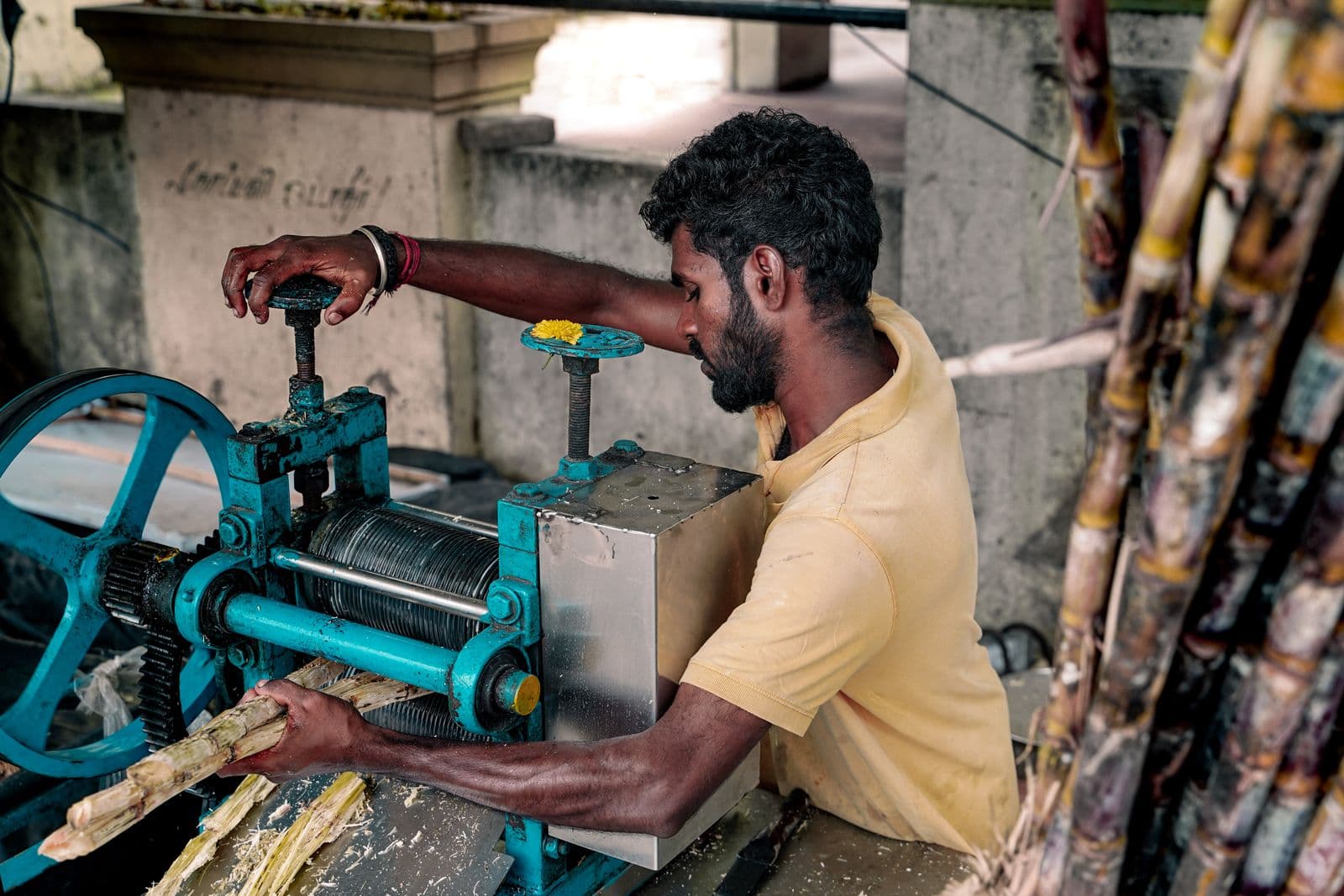
§1What this business is
Neera is the sweet sap tapped from palm trees before it ferments. Tappers climb the trees with climbing devices and ropes, collect the sap in aluminium cans, and the unit fills it into poly pouches or glass bottles with a sealing machine. Neera is also the raw material for palm gur, palm sugar and palm candy. The KVIC profile notes the trade employs tappers who are among the poorest communities.
Capacity: 61,200 litres of neera a year (KVIC profile).
§2Is it right for you?
Who it is for
A tapper group or cooperative in a palm-growing area with a nearby market.
Who it is not for
Someone in a state that does not allow neera sale, or far from palm trees.
Advantages
- High margin in the profile
- Uses palm trees that already grow locally
- Simple, indigenous technology
- Gives work to tapper families
Drawbacks
- Neera ferments into toddy within hours unless chilled or preserved
- Tapping and sale are regulated by state excise rules
- Seasonal tapping
- Tree climbing is risky
Skills you need
- Tapping and hygienic collection
- Quick chilling and packing
- Dealing with excise rules
- Local selling
Why difficulty 3/5: Simple tools, but quick spoilage and state excise rules make it tricky.
§3Market
Who buys
- Local consumers as a health drink
- Makers of palm gur, palm sugar and palm candy
How it sells
- Own stalls and kiosks
- Retail outlets allowed under state rules
Good to know
- The profile says neera can also be made into gur, palm sugar and palm candy.
§4Raw material & machinery
| Item | Qty | Cost |
|---|---|---|
| Equipment set: poly pouch / dispenser / glass sealing machine, knives, climbing device, ropes, aluminium cans | 1 set | ₹4,00,000 |
From: KVIC Project Profile — Neera Catering Unit (PMEGP)
- Palm sap (neera) from palm treesraw material ₹2,37,000 a year in the KVIC profile
- Pouches, bottles and labels₹1,00,000 a year in the profile
§5Licences & registration
- State excise permission or licence for tapping and selling neera (rules differ by state)
- FSSAI registration or licence
- Udyam
- GST (if turnover crosses the limit)
§6Schemes & subsidies
- PMEGPCentralActive15–35% subsidy
- MudraCentralActiveLoan up to ₹20 lakh, no collateral
- CGTMSECentralActiveNo collateral, up to ₹10 crore
PMEGP (this is a KVIC/PMEGP profile), MUDRA and CGTMSE fit.
§7Money
How the investment is worked out: KVIC profile: total ₹6,31,000 = building shed (500 sq ft) ₹1,10,000 + equipment ₹4,00,000 (poly pouch / dispenser / glass sealing machine, knives, climbing device, ropes, aluminium cans) + working capital ₹1,21,000. Land own.
Working capital: Working capital ₹1,21,000; raw material ₹2,37,000 and packing ₹1,00,000 a year in the profile.
Year not printed on the KVIC profile — check current machinery prices.
§8Export potential
Fresh neera spoils within hours, so it is sold locally; not classified here.
§9Risks — where people fail
- Fermentation spoiling stock
- Licence or excise problems
- Accidents while climbing
- Short tapping season
§1030 / 60 / 90-day plan
A general plan that applies to any business. A plan for this business will be added after research.
- Days 1–30: Visit a working neera (palm sap) tapping and selling unit unit, ask 10 buyers about price and quantity, and get quotations from 3 suppliers.
- Days 31–60: Udyam and the licences you need (State excise permission or licence for tapping and selling neera (rules differ by state), FSSAI registration or licence), a project report (DPR), and the scheme or loan file.
- Days 61–90: Space and machines, trial production, and first deliveries to 10 customers.
§11Who to connect with
Associations, clusters and training institutes — the directory is being built. Connect
§12Watch
There is no episode on this business yet. Shows are coming soon on the Podcast page.
Want to start Neera (Palm Sap) Tapping and Selling Unit?
DPR, loan file or registration — ask us on WhatsApp.
¶Sources
Data review: 6 October 2026. Spotted a mistake? Report it. For information only — not legal or financial advice.