

§1What this business is
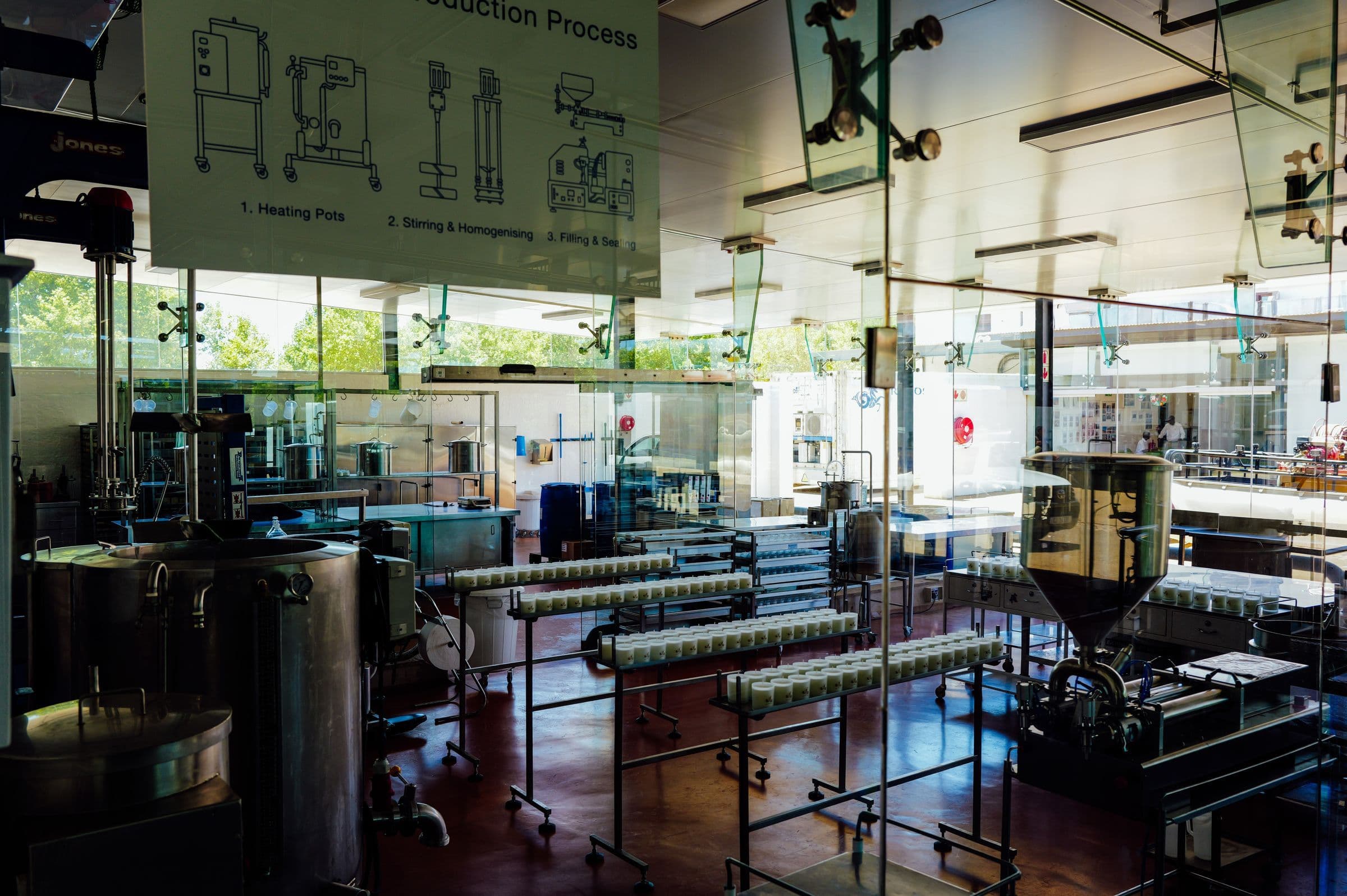
Juicing-grade apples from local orchards and FPOs are washed, crushed, pressed, filtered and, if wanted, mildly fermented with yeast or lactic cultures under control, then pasteurised and bottled in glass or PET. Flavoured versions use cinnamon, ginger or Himalayan herbs. The profile notes 1.3–1.5 kg of apples make one litre of juice.
Capacity: 300–500 litres a day for a small unit; first year at 40–50% of capacity.
§2Is it right for you?
Who it is for
An entrepreneur in an apple belt with food-processing training and links to hotels, cafés and shops.
Who it is not for
Someone without a cold chain or quality testing in place.
Advantages
- Uses cheap second-grade apples that often go to waste
- Tourist towns are a ready market for a local drink
- Premium flavoured variants possible
- Fits PMFME and DUY support
Drawbacks
- Apples come only in August–October, so stock and storage matter
- Fermentation must be controlled to stay non-alcoholic
- Needs cold storage and pasteurisation
- Competes with big soft-drink brands for shelf space
Skills you need
- Juice processing and pasteurisation
- Fermentation control and testing (pH, brix, microbes)
- Bottling hygiene
- Brand and distribution building
Why difficulty 3/5: Food-safety and fermentation control plus seasonal raw material.
§3Market
Who buys
- Tourists and local shops in hill towns
- Hotels, cafés and homestays
- Health-conscious urban buyers
How it sells
- Pre-booking with local stores
- Tie-ups with tourism boards
- Online and direct sales
Good to know
- The profile suggests branding the drink as a 'Devbhoomi Heritage Drink'.
§4Raw material & machinery
| Item | Qty | Cost |
|---|---|---|
| Apple washer and sorter | — | ₹50,000–₹1,20,000 |
| Apple crusher / pulper (200–300 kg/hour) | — | ₹70,000–₹1,50,000 |
| Juice extractor / hydraulic press (300–500 kg/hour) | — | ₹1,00,000–₹2,00,000 |
| Stainless steel fermentation tank, 300–500 L (optional) | — | ₹60,000–₹1,00,000 |
| Juice filter (100 litres/hour) | — | ₹40,000–₹80,000 |
| Pasteuriser (200–300 L/hour) | — | ₹1,20,000–₹1,80,000 |
| Bottle washer and steriliser | — | ₹30,000–₹70,000 |
| Bottle filling machine (4–6 nozzles) | — | ₹60,000–₹1,00,000 |
| Cap sealing machine | — | ₹15,000–₹40,000 |
| Labelling machine | — | ₹25,000–₹50,000 |
| Cold storage unit (2–3 MT) | — | ₹1,50,000–₹2,50,000 |
| Water purification unit (RO + UV) | — | ₹25,000–₹45,000 |
From: Uttarakhand DUY project profile — Local Apple Cider Brewing (Non-Alcoholic) in Uttarakhand
- Juicing-grade apples (Red Delicious, Royal Gala, Golden)1.3–1.5 kg per litre of juice; from local orchards or FPOs
- Yeast or probiotic culturesonly if fermentation is used
- Lemon juice or citric acid, food-grade preservativespH control and shelf-life
- Glass or PET bottles, caps, labelspacking
From: Uttarakhand DUY project profile — Local Apple Cider Brewing (Non-Alcoholic) in Uttarakhand
§5Licences & registration
- FSSAI licence
- Udyam registration
- GST registration
- Legal Metrology packaged-commodity registration
- Pollution consent from the state board as applicable
§6Schemes & subsidies
- PMFMECentralUnclear35% subsidy, up to ₹10 lakh
- PMEGPCentralActive15–35% subsidy
- MudraCentralActiveLoan up to ₹20 lakh, no collateral
- CGTMSECentralActiveNo collateral, up to ₹10 crore
The profile says PMFME, AIF or DUY may give 35–50% subsidy; PMEGP and MUDRA fit an ₹11–13.5 lakh unit; CGTMSE gives collateral-free cover.
§7Money
How the investment is worked out: DUY profile cost ₹11,00,000–₹13,50,000: processing equipment ₹4–5 lakh, infrastructure ₹2.5–3 lakh, packaging and branding ₹1–1.5 lakh, first-year working capital ₹4.5–5 lakh. The machinery list alone ranges from ₹5.5 to ₹9.5 lakh depending on automation.
Working capital: ₹4.5–5 lakh for year 1 — apples, salaries, bottles, power and logistics.
Year not printed on the DUY profile — check current machinery and material prices.
§8Export potential
Export council / board: APEDA
- A mildly fermented apple drink may be classified differently from plain apple juice; confirm the code on the DGFT site.
§9Risks — where people fail
- Accidental alcohol formation breaking food rules
- Short shelf-life and spoilage
- Poor apple season
- Glass breakage and transport cost
§1030 / 60 / 90-day plan
A general plan that applies to any business. A plan for this business will be added after research.
- Days 1–30: Visit a working non-alcoholic apple cider unit, ask 10 buyers about price and quantity, and get quotations from 3 suppliers.
- Days 31–60: Udyam and the licences you need (FSSAI licence, Udyam registration), a project report (DPR), and the scheme or loan file.
- Days 61–90: Space and machines, trial production, and first deliveries to 10 customers.
§11Who to connect with
Associations, clusters and training institutes — the directory is being built. Connect
§12Watch
There is no episode on this business yet. Shows are coming soon on the Podcast page.
Want to start Non-Alcoholic Apple Cider?
DPR, loan file or registration — ask us on WhatsApp.
¶Sources
Data review: 6 October 2026. Spotted a mistake? Report it. For information only — not legal or financial advice.