

§1What this business is
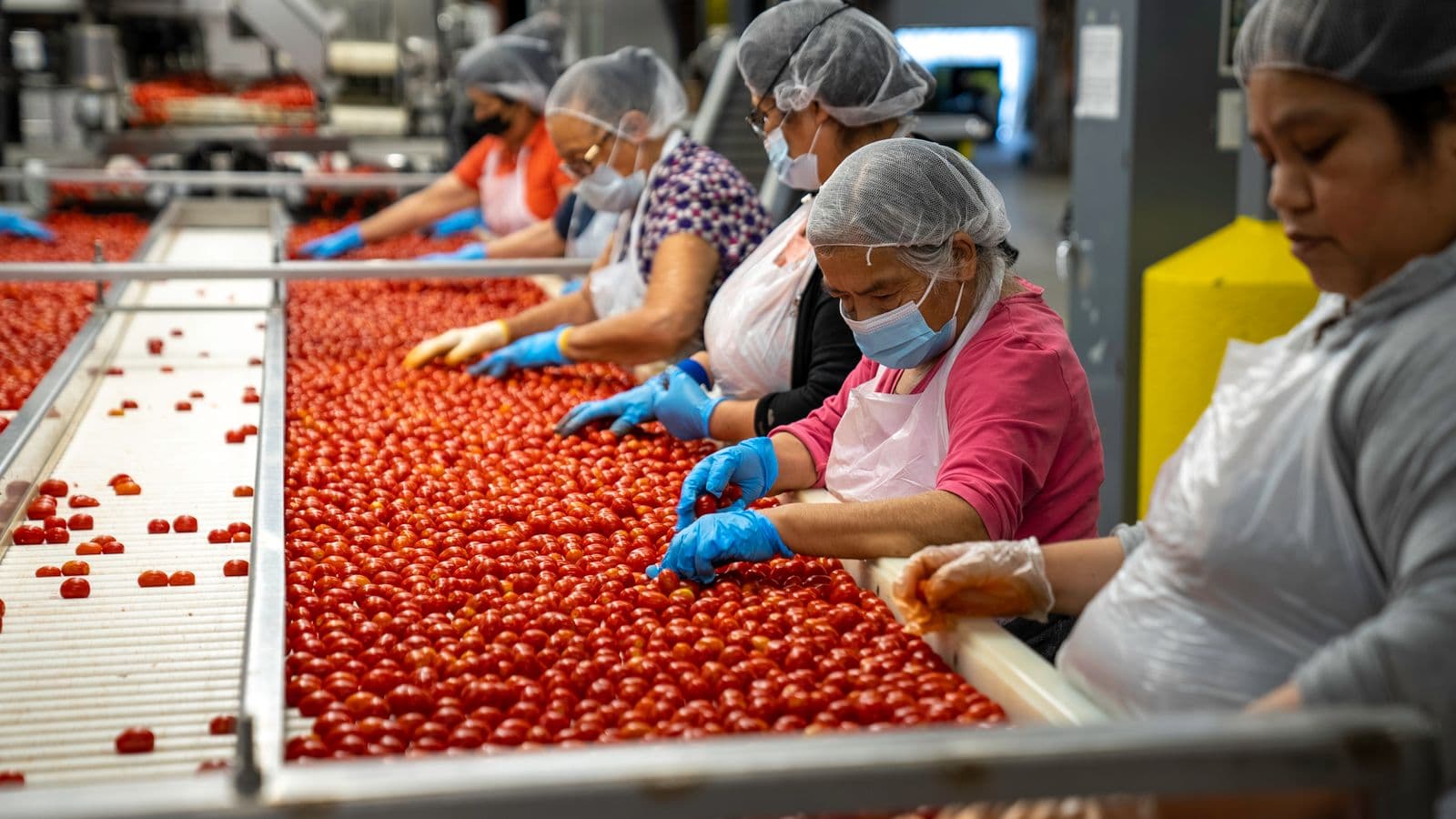
The exporter sources certified organic leafy greens, gourds, legumes, root vegetables, chillies, okra and tomatoes from NPOP-certified farms or its own land, then inspects, washes and sanitises, grades, pre-cools, packs in labelled food-grade boxes with QR codes, holds them in cold storage and dispatches by reefer van or air freight with export documents and phytosanitary certificates. Buyers abroad are organic grocery chains, supermarkets, hotels, airlines and online organic delivery services.
Capacity: Exports of 100 tonnes in year 1, 180 tonnes in year 2, 250 tonnes in year 3.
§2Is it right for you?
Who it is for
An agri or horticulture professional with farmer links and knowledge of export paperwork and organic standards.
Who it is not for
A first-time trader with no export or cold-chain experience.
Advantages
- Growing foreign demand for certified organic produce
- India can grow organic vegetables round the year at low cost
- APEDA supports exporters with training, trade fairs and assistance
- Value-added packs (chopped, vacuum-packed greens) earn more
Drawbacks
- Vegetables are highly perishable — the cold chain must never break
- Strict certification and food safety checks by importing countries
- Air freight costs and schedules can wipe out margins
- Indian produce has limited brand recognition abroad
Skills you need
- Organic certification (NPOP, NOP, EU) and traceability
- Post-harvest handling and pre-cooling
- Export documentation and customs
- Finding and keeping foreign buyers
Why difficulty 4/5: Perishable exports with certification, cold chain and foreign buyers to manage.
§3Market
Who buys
- Organic grocery chains and supermarkets abroad
- Hotels, airlines and cruise lines
- Schools, hospitals and wellness centres
- Online organic delivery platforms
How it sells
- Direct contracts with importers
- APEDA-supported international trade fairs
- Trial shipments, then repeat orders
Good to know
- Target markets named: UAE, UK, Germany, Europe, Singapore and South-East Asia.
- The profile cites global organic food sales above USD 150 billion in 2023.
§4Raw material & machinery
| Item | Qty | Cost |
|---|---|---|
| Packhouse washing and sorting line | — | — |
| Pre-cooling unit | — | — |
| Cold storage (5–8 MT) | — | ₹10.00 lakh |
| Vacuum packers and sealers for leafy greens | — | — |
| Food-grade crates | — | — |
| Refrigerated transport boxes | — | — |
| Packhouse and pre-cooling unit (total) | — | ₹12.00 lakh |
| Sorting and packaging unit (total) | — | ₹6.00 lakh |
From: Uttarakhand DUY project profile — Organic Vegetable Export Business
- Certified organic vegetablesfrom NPOP-certified farms, farmer groups, cooperatives or contract growers
- Food-grade cartons, punnets, crates, labels with QR codespacking
- Potable water and approved organic sanitisersfor washing
From: Uttarakhand DUY project profile — Organic Vegetable Export Business
§5Licences & registration
- Import Export Code (IEC) from DGFT
- FSSAI licence
- APEDA registration
- Organic certification: NPOP; NOP for the USA; EU organic for Europe
- GST
- Phytosanitary certificate and plant quarantine clearance
- Certificate of Origin where FTA benefits apply
§6Schemes & subsidies
- AIFCentralUnclear3% interest subvention, up to ₹2 crore
- NHBCentralActive35% back-ended subsidy
- MudraCentralActiveLoan up to ₹20 lakh, no collateral
- CGTMSECentralActiveNo collateral, up to ₹10 crore
Packhouses and cold storage can use AIF interest subvention and NHB capital subsidy; CGTMSE can back the ₹27 L loan. The profile also points to APEDA and state horticulture support.
§7Money
How the investment is worked out: Packhouse and pre-cooling unit ₹12.00 L + cold storage ₹10.00 L + sorting and packaging unit ₹6.00 L + certifications and licensing ₹1.50 L + working capital for 6 months ₹10.00 L + marketing and buyer acquisition ₹3.00 L + contingency ₹2.50 L = ₹45.00 L. Finance: promoter ₹18.00 L, bank ₹27.00 L.
Working capital: Six months' working capital ₹10.00 L within the project cost.
Year not printed on the profile — check current packhouse, cold storage and freight costs.
§8Export potential
Export council / board: APEDA
- The profile prints no HS codes; each vegetable has its own ITC(HS) line under the edible vegetables chapter — check with DGFT.
- Organic exports from India must be certified under NPOP.
§9Risks — where people fail
- Consignment rejected for residues or quality
- Spoilage from freight delays
- Crop failure at contract farms
- Currency and freight-rate swings
§1030 / 60 / 90-day plan
A general plan that applies to any business. A plan for this business will be added after research.
- Days 1–30: Visit a working organic vegetable export business unit, ask 10 buyers about price and quantity, and get quotations from 3 suppliers.
- Days 31–60: Udyam and the licences you need (Import Export Code (IEC) from DGFT, FSSAI licence), a project report (DPR), and the scheme or loan file.
- Days 61–90: Space and machines, trial production, and first deliveries to 10 customers.
§11Who to connect with
Associations, clusters and training institutes — the directory is being built. Connect
§12Watch
There is no episode on this business yet. Shows are coming soon on the Podcast page.
Want to start Organic Vegetable Export Business?
DPR, loan file or registration — ask us on WhatsApp.
¶Sources
Data review: 6 October 2026. Spotted a mistake? Report it. For information only — not legal or financial advice.