

§1What this business is
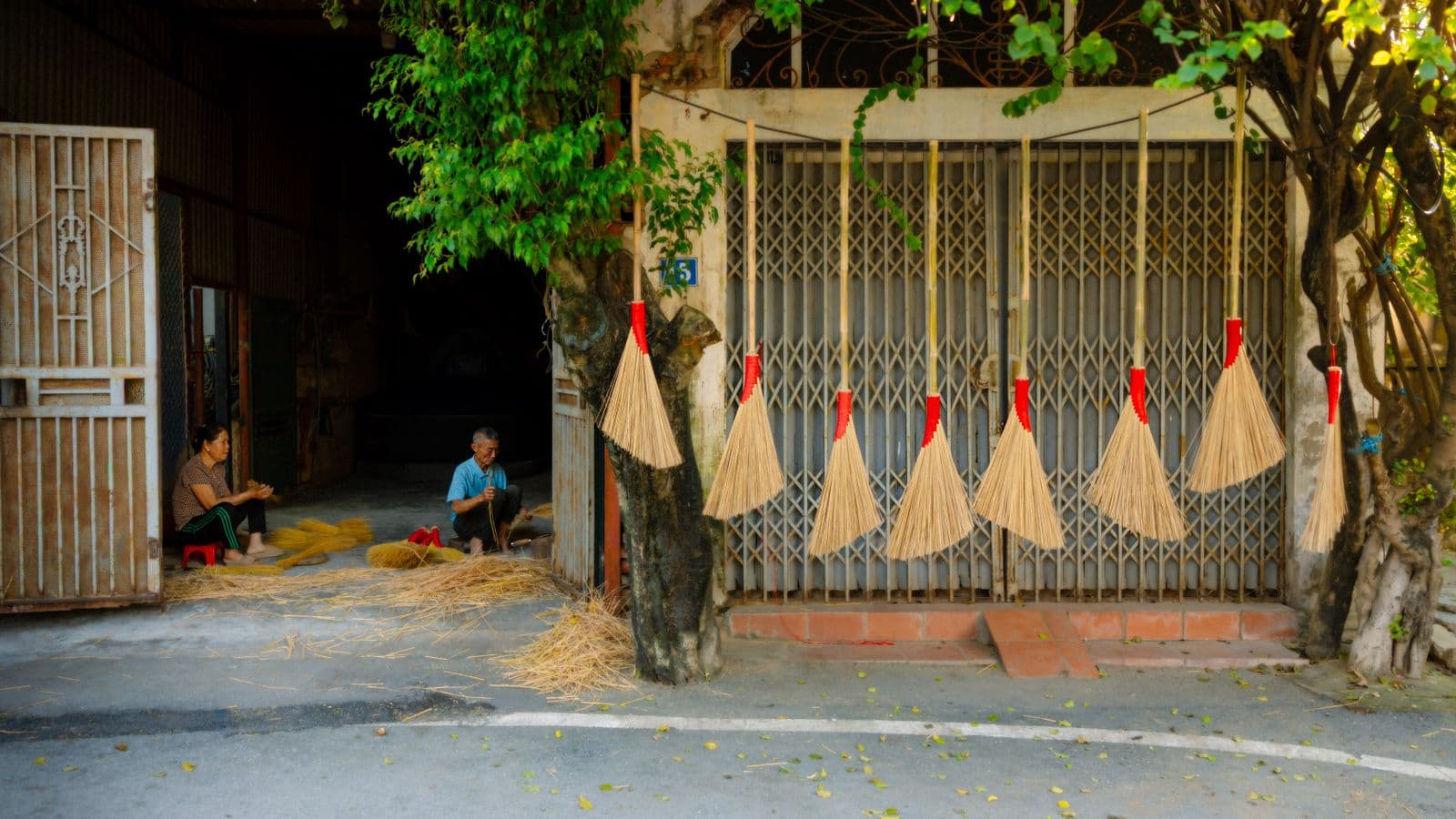
Fibre is extracted and shaved by machine, wooden backs are cut on a profile cutter and drilled, and the fibre is fixed in to make brushes. The KVIC profile plans 60,000 brushes a year and calls the process very simple. Households and industries both buy palm brushes.
Capacity: 60,000 brushes a year at ₹11 each (₹6.71 lakh at cost of production).
§2Is it right for you?
Who it is for
Rural artisans or self-help groups in palm-growing areas.
Who it is not for
Someone far from a palm fibre source.
Advantages
- Very small investment
- Natural, plastic-free product
- Uses local palm resources
- Rural employment
Drawbacks
- Low price per piece
- Plastic brushes are cheaper
- Raw fibre only where palms grow
- Small income
Skills you need
- Fibre extraction and grading
- Woodwork
- Selling to shops and industries
- Group management
Why difficulty 1/5: Simple tools and process, very low investment.
§3Market
Who buys
- Households
- Industries using brushes for cleaning
- Hardware and general stores
How it sells
- Local wholesalers
- KVIC and Khadi outlets
- Direct orders from factories
Good to know
- The profile says palm brushes have both domestic and industrial demand.
§4Raw material & machinery
| Item | Qty | Cost |
|---|---|---|
| Fibre extracting machine | 1 | — |
| Wood profile cutter | 1 | — |
| Drill machine | 1 | — |
| Fibre shaving machine | 1 | — |
| Blades of different sizes and tools | 1 set | — |
| All equipment together (KVIC total) | 1 lot | ₹75,000 |
From: KVIC Project Profile — Palm Fiber Brush Making Unit (PMEGP)
- Raw palm fibre, wood and hardwareraw material ₹3.00 lakh a year in the profile
From: KVIC Project Profile — Palm Fiber Brush Making Unit (PMEGP)
§5Licences & registration
- Udyam registration
- GST registration
§6Schemes & subsidies
- PMEGPCentralActive15–35% subsidy
- MudraCentralActiveLoan up to ₹20 lakh, no collateral
- CM YUVAUPActiveUp to ₹5 lakh, interest-free
PMEGP (the profile was made for it), MUDRA Shishu or Kishor, and CM-YUVA in UP as the project is under ₹5 lakh.
§7Money
How the investment is worked out: KVIC profile: shed 1,000 sq ft ₹2.00 L + equipment ₹0.75 L (fibre extracting machine, wood profile cutter, blades, drill machine, fibre shaving machine, tools) + working capital ₹1.10 L = ₹3.85 L. Land own.
Working capital: Working capital ₹1.10 lakh; raw material ₹3.00 lakh and wages ₹1.45 lakh a year.
Year not printed on the KVIC profile — check current machinery prices.
§8Export potential
Confirm the HS code in the DGFT ITC(HS) lookup before you export
Export council / board: FIEO (Federation of Indian Export Organisations)
- HS heading from the ITC(HS) 2022 schedule; confirm the 8-digit line with DGFT or your customs broker.
- You need an Import Export Code (IEC) from DGFT before the first shipment.
§9Risks — where people fail
- Fibre supply in the off-season
- Competition from plastic
- Low margins
- Moisture damage
§1030 / 60 / 90-day plan
A general plan that applies to any business. A plan for this business will be added after research.
- Days 1–30: Visit a working palm fibre brush making unit, ask 10 buyers about price and quantity, and get quotations from 3 suppliers.
- Days 31–60: Udyam and the licences you need (Udyam registration, GST registration), a project report (DPR), and the scheme or loan file.
- Days 61–90: Space and machines, trial production, and first deliveries to 10 customers.
§11Who to connect with
Associations, clusters and training institutes — the directory is being built. Connect
§12Watch
There is no episode on this business yet. Shows are coming soon on the Podcast page.
Want to start Palm Fibre Brush Making?
DPR, loan file or registration — ask us on WhatsApp.
¶Sources
Data review: 6 October 2026. Spotted a mistake? Report it. For information only — not legal or financial advice.