

§1What this business is
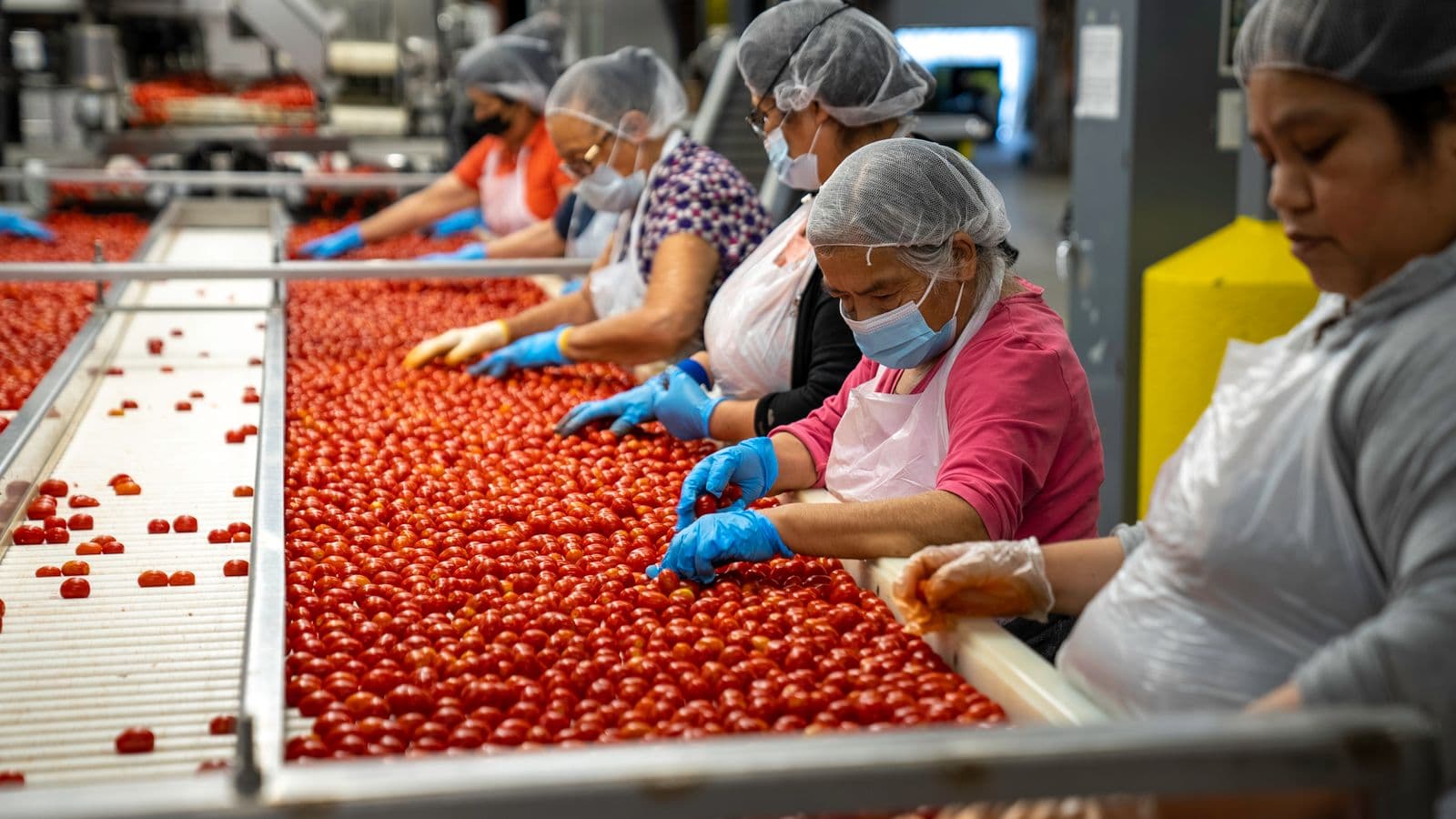
Vegetables and fruits are washed, peeled, sliced, blanched and pulped; dishes are cooked in steam-jacketed vessels with paneer, chana, spices, flour and other ingredients, then filled and sealed in food-grade pouches or aluminium containers. Ready-to-eat packs need only cutting open and heating, so they sell to working people, travellers and as home-meal replacements.
Capacity: Not printed in tonnes; sales of ₹345 L at 60% use in year 1 and ₹575 L at full capacity in year 5.
§2Is it right for you?
Who it is for
A food entrepreneur with recipe skills, a sales team and money for stock and credit.
Who it is not for
Someone who cannot fund large stocks and dealer credit.
Advantages
- Low machinery cost (₹31.93 L)
- Profitable from year 1 in the report
- Demand for RTE food growing 25–40% in metros (report)
- India is becoming a large exporter of RTE packs
Drawbacks
- Huge working capital — ₹108.75 L of the ₹150.87 L cost
- The machinery list has no retort steriliser — budget for one if you make shelf-stable packs
- Strict food-safety testing for shelf-stable packs
- Brand building needed against big players
Skills you need
- Recipe and taste consistency
- Food-safety and shelf-life testing
- Packaging and sealing
- Distribution and retail sales
Why difficulty 4/5: Food-safety demands, heavy working capital and brand building.
§3Market
Who buys
- Supermarkets and grocery stores
- Railway, airline and travel caterers
- Hostels, offices and working people in cities
- Exporters and overseas Indian stores
How it sells
- Distributors and modern retail
- Online grocery
- Export
Good to know
- The report says demand is growing fastest in metros where working people lack time to cook.
- RTE packs also serve as home-meal replacements and travel food.
§4Raw material & machinery
| Item | Qty | Cost |
|---|---|---|
| Blanchers | 3 | ₹7.50 lakh |
| Pulverisers | 3 | ₹6 lakh |
| Automatic slicers | 2 | ₹2.10 lakh |
| Peeling machines | 2 | ₹2.64 lakh |
| Steam-jacketed SS vessels | 5 | ₹3.25 lakh |
| Vegetable washers | 2 | ₹1.20 lakh |
| Mini boilers | 2 | ₹1.50 lakh |
| Pulping machines | 2 | ₹1.60 lakh |
| Hand flange rectifier | 1 | ₹1.10 lakh |
| SS storage tanks | 5 | ₹2.75 lakh |
| Packing, filling and sealing machines | 2 | ₹0.86 lakh |
| Weighing scales | 3 | ₹0.54 lakh |
From: SIDBI Stand-Up Mitra project profile — Ready-to-Eat Foods Veg., Sweets, Rice; Veg. (2017) — private guide — confirm locally
- Vegetables and fruits — tomato, onion, garlic, capsicum, corn and otherswashed and cleaned before use
- Paneer, cheese and chanafor curries
- Maida, wheat flour and suji; salt and spicesfor dishes and sweets
- Food-grade pouches and aluminium containersfor packing
From: SIDBI Stand-Up Mitra project profile — Ready-to-Eat Foods Veg., Sweets, Rice; Veg. (2017) — private guide — confirm locally
Suppliers in Building Business Bazaar
NIFTEM Kundli (National Institute of Food Technology Entrepreneurship and Management) · Kundli →NIFTEM Thanjavur (National Institute of Food Technology, Entrepreneurship and Management) · Thanjavur →CSIR-Central Food Technological Research Institute (CFTRI), Mysuru · Mysuru →
§5Licences & registration
- FSSAI licence
- Udyam registration
- GST
- IEC code and APEDA registration for export
- State Pollution Control Board consent where applicable
- Factory licence and fire NOC
§6Schemes & subsidies
- PMFMECentralUnclear35% subsidy, up to ₹10 lakh
- CGTMSECentralActiveNo collateral, up to ₹10 crore
- Stand-Up IndiaCentralClosed₹10 lakh – ₹1 crore loan
PMFME supports food-processing units with a credit-linked capital subsidy; CGTMSE can guarantee the bank loan and Stand-Up India can fund SC/ST and women founders.
§7Money
How the investment is worked out: Land ₹4.30 L + building ₹2.20 L + plant & machinery ₹31.93 L + furniture ₹0.50 L + preliminary ₹3.19 L + working-capital margin ₹108.75 L = ₹150.87 L. Finance: promoter ₹37.72 L, bank ₹113.15 L.
Working capital: ₹108.75 L — over 70% of the project: inventories ₹54.38 L, receivables ₹27.19 L, overheads ₹27.19 L; bank ₹61.17 L, own margin ₹47.58 L.
Stand-Up Mitra profile uploaded in 2017; the year is not printed on the profile. Machinery and material prices will be higher now.
§8Export potential
Export council / board: Not verified yet
- No HS code or export body has been checked against an official list yet.
§9Risks — where people fail
- Spoiled or swollen packs from poor sealing
- Raw-material price swings
- Slow-moving stock near expiry
- Retailer credit and returns
§1030 / 60 / 90-day plan
A general plan that applies to any business. A plan for this business will be added after research.
- Days 1–30: Visit a working ready-to-eat foods (vegetable curries, sweets, rice dishes) unit, ask 10 buyers about price and quantity, and get quotations from 3 suppliers.
- Days 31–60: Udyam and the licences you need (FSSAI licence, Udyam registration), a project report (DPR), and the scheme or loan file.
- Days 61–90: Space and machines, trial production, and first deliveries to 10 customers.
§11Who to connect with
Associations, clusters and training institutes — the directory is being built. Connect
§12Watch
There is no episode on this business yet. Shows are coming soon on the Podcast page.
Want to start Ready-to-Eat Foods (Vegetable Curries, Sweets, Rice Dishes)?
DPR, loan file or registration — ask us on WhatsApp.
¶Sources
Data review: 6 October 2026. Spotted a mistake? Report it. For information only — not legal or financial advice.