

§1What this business is
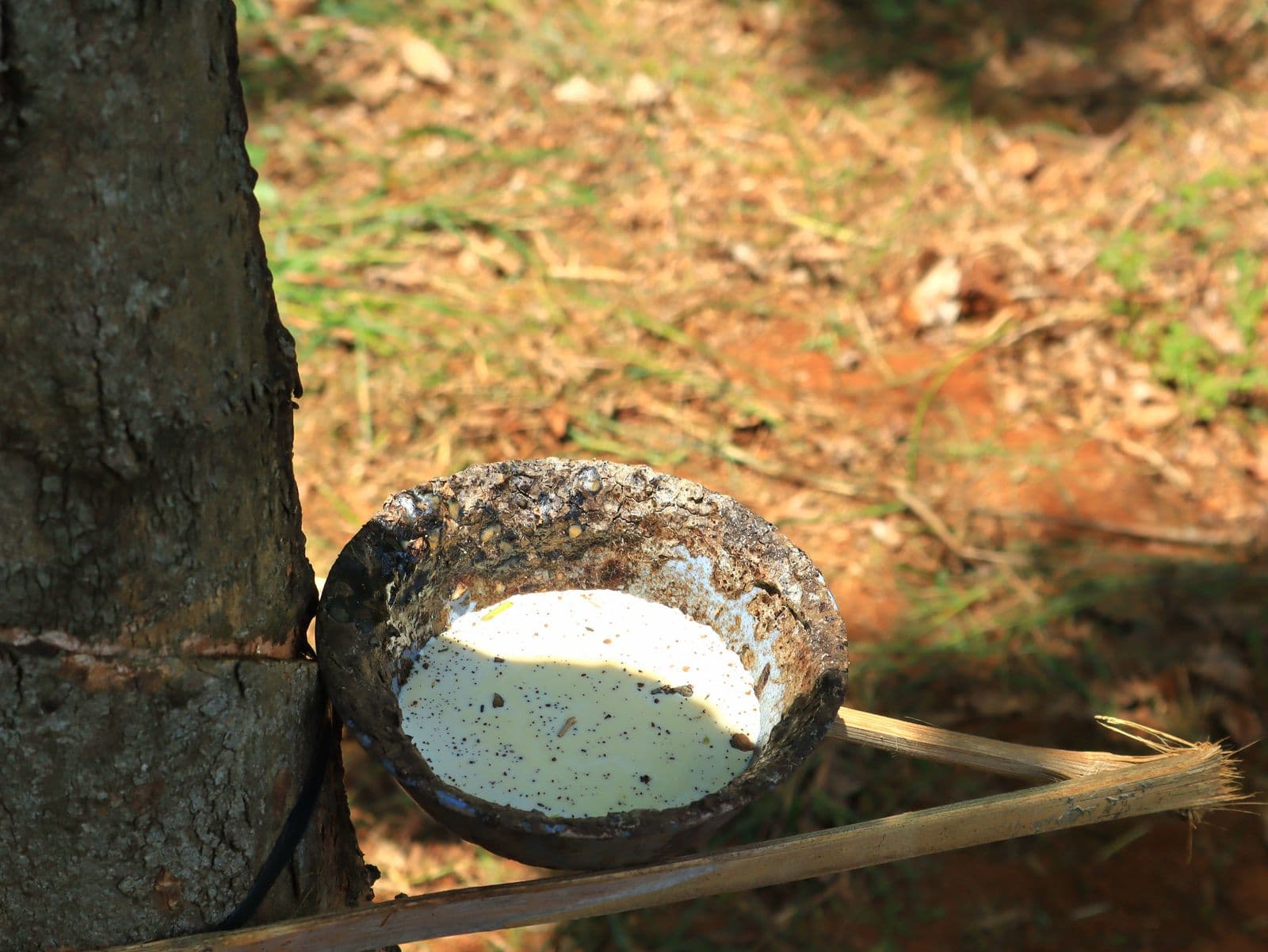
Rubber is compounded on a mixing mill, placed with metal parts in moulds and cured in a hydraulic press heated by a small boiler, bonding the rubber to the metal. Mountings absorb engine vibration and are needed both for new vehicles and as spares.
Capacity: 54,000 pieces a year; projected sales ₹27.54 lakh at full capacity.
§2Is it right for you?
Who it is for
Someone from a rubber-moulding or auto-parts unit near an auto cluster.
Who it is not for
Someone far from auto-parts buyers.
Advantages
- Needed for new vehicles and replacements
- Growing automobile sector
- Same press can make other rubber-metal parts
- Moderate investment
Drawbacks
- Vehicle makers demand tight quality systems
- A new mould for every model
- Rubber and chemical price swings
- Bond failures mean rejections
Skills you need
- Rubber compounding
- Moulding and curing
- Rubber-to-metal bonding and testing
- Selling to OEMs and spare-parts dealers
Why difficulty 3/5: Moulding skill and auto-industry quality demands.
§3Market
Who buys
- Vehicle makers (original equipment)
- Spare-parts dealers and garages
How it sells
- Direct supply to OEMs and their vendors
- Auto-parts wholesalers
Good to know
- The profile says mountings are used in original equipment and for later replacement, and the auto sector is expanding fast.
§4Raw material & machinery
| Item | Qty | Cost |
|---|---|---|
| Rubber mixing mill 12" × 30" with reduction gear, safety devices and motor | 1 | — |
| Baby boiler with accessories and pumps | 1 | — |
| Hydraulic press, 4 daylight, with motors | 1 | — |
| Moulds, tools and fittings | 1 lot | — |
| Testing equipment, furniture, office items and installation | 1 lot | ₹4,85,000 (all equipment together) |
From: KVIC Project Profile — Engine Mounting-Rubber Bonded (PMEGP)
- Rubber, compounding chemicals and bonding agentsraw material ₹14.25 lakh a year
- Metal plates and inserts
- Labels and packing₹1.25 lakh a year
From: KVIC Project Profile — Engine Mounting-Rubber Bonded (PMEGP)
Suppliers in Building Business Bazaar
Anant Industries · Sirhind →Bayer India Limited · Mumbai →Godrej Soaps Pvt. Ltd · Mumbai →Indian Oil Co · Bengaluru →Kamani Metallic Oxide Limited · Mumbai →Kilachand Devachand Co. Pvt Ltd · Mumbai →Monsanto Chemicals of India Ltd · Delhi →Phillips Carbon Black Limited · Mumbai →Premier Industry · Sirhind →Rubbermac Industries · Sirhind →Sohal Engg. Works · Mumbai →Sunrise Industries · Sirhind →
§5Licences & registration
- Udyam registration
- GST registration
- State Pollution Control Board consent
- Boiler registration with the state boiler inspectorate
§6Schemes & subsidies
- PMEGPCentralActive15–35% subsidy
- MudraCentralActiveLoan up to ₹20 lakh, no collateral
- CGTMSECentralActiveNo collateral, up to ₹10 crore
PMEGP fits (the report was made for it); MUDRA gives loans up to ₹20 lakh; CGTMSE lets the bank lend without collateral.
§7Money
How the investment is worked out: Equipment ₹4.85 lakh, working capital ₹4.00 lakh = ₹8.85 lakh. Shed rented.
Working capital: Working capital ₹4.00 lakh; raw material ₹14.25 lakh and packing ₹1.25 lakh a year.
Year not printed on the KVIC profile — check current machinery prices.
§8Export potential
The project report gives no HS code — find the right 8-digit ITC(HS) code on the DGFT website before you export.
§9Risks — where people fail
- Quality rejections
- Delayed payments from OEMs
- Rubber price spikes
- Boiler safety
§1030 / 60 / 90-day plan
A general plan that applies to any business. A plan for this business will be added after research.
- Days 1–30: Visit a working rubber-bonded engine mounting unit unit, ask 10 buyers about price and quantity, and get quotations from 3 suppliers.
- Days 31–60: Udyam and the licences you need (Udyam registration, GST registration), a project report (DPR), and the scheme or loan file.
- Days 61–90: Space and machines, trial production, and first deliveries to 10 customers.
§11Who to connect with
Associations, clusters and training institutes — the directory is being built. Connect
§12Watch
There is no episode on this business yet. Shows are coming soon on the Podcast page.
Want to start Rubber-Bonded Engine Mounting Unit?
DPR, loan file or registration — ask us on WhatsApp.
¶Sources
Data review: 6 October 2026. Spotted a mistake? Report it. For information only — not legal or financial advice.