

§1What this business is
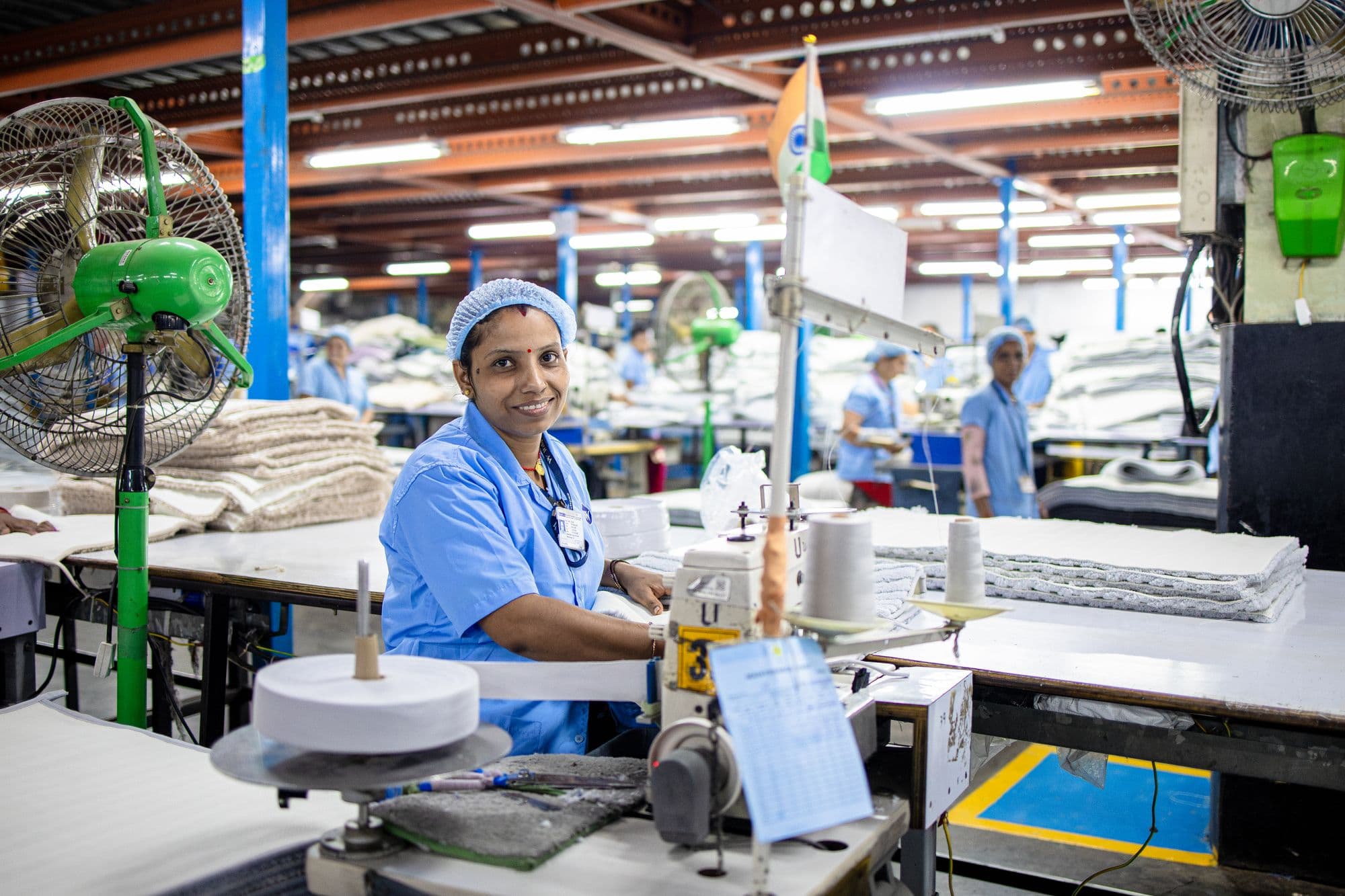
Raw wool is bought from sheep rearers and cooperatives in Uttarkashi, Chamoli, Pithoragarh and Bageshwar, graded, washed and scoured, carded and spun into yarn, then woven on handlooms or powerlooms. The blanket cloth is dyed, washed and finished for softness and shrink resistance, checked for weight and size, trimmed, labelled and packed. Buyers include households in cold regions, hotels, resorts, army camps, hospitals, hostels, relief agencies and tourists.
§2Is it right for you?
Who it is for
Someone in a sheep-rearing district with weaving or wool-trade experience and links to institutional buyers.
Who it is not for
A founder who cannot carry stock from summer to winter.
Advantages
- Steady winter demand from homes, hotels, army camps and relief agencies
- Uses local wool and gives sheep rearers a better market
- Heritage designs with natural dyes sell to tourists and exporters
- Traditional weavers and women can join spinning and finishing
Drawbacks
- Highly seasonal — most sales come before and during winter
- Local wool is coarse and uneven; grading takes skill
- Cheap acrylic and mink blankets undercut on price
- Wool scouring and dyeing need water and effluent care
Skills you need
- Wool grading, scouring and carding
- Spinning and loom weaving
- Dyeing and finishing for softness
- Tender and institutional selling
Why difficulty 3/5: Known technology, but seasonal sales and coarse local wool need careful planning.
§3Market
Who buys
- Households in hill and cold regions of north India
- Hotels and resorts
- Army camps, hospitals and hostels
- Government relief agencies
- Tourists and urban home-furnishing buyers
How it sells
- Institutional supply and tenders
- Retail and handloom outlets
- Tourist and souvenir shops
- Export buyers for heritage designs
Good to know
- The profile plans single, double and king sizes, including double-layer heavy and embroidered designer blankets.
- Each blanket is checked for weight, shrinkage and colour fastness.
§4Raw material & machinery
| Item | Qty | Cost |
|---|---|---|
| Wool washing and scouring unit | 1 | — |
| Wool carding machine | 1 | — |
| Wool spinning machines | 3 | — |
| Handlooms / powerlooms | 10 | — |
| Dyeing and finishing setup | 1 | — |
| Cutting and packing equipment | — | — |
| Machinery & equipment in total | — | ₹25,00,000 |
From: Uttarakhand DUY project profile — Blanket Manufacturing Unit from Sheep Wool in Uttarakhand
- Raw sheep woolfrom sheep rearers and cooperatives in Uttarkashi, Chamoli, Pithoragarh and Bageshwar
- Cotton lining fabric
- Natural dyes and embroidery threads
- Labels and packaging material
From: Uttarakhand DUY project profile — Blanket Manufacturing Unit from Sheep Wool in Uttarakhand
In our raw material database
§5Licences & registration
- Udyam registration
- GST registration
- State Pollution Control Board consent to establish and operate (wool scouring and dyeing)
- Factory licence if worker numbers cross the Factories Act limit
- Handloom Mark for handwoven blankets (optional)
§6Schemes & subsidies
- CGTMSECentralActiveNo collateral, up to ₹10 crore
- Stand-Up IndiaCentralClosed₹10 lakh – ₹1 crore loan
- MudraCentralActiveLoan up to ₹20 lakh, no collateral
The profile names PMEGP and the National Wool Development Programme, but at ₹60 L the project is above the ₹50 L PMEGP manufacturing limit unless scaled down. CGTMSE for a collateral-free loan; Stand-Up India for SC/ST and women founders; MUDRA for a smaller start.
§7Money
How the investment is worked out: Land & building (rental/development) ₹12 L + machinery & equipment ₹25 L + raw wool & initial inventory ₹5 L + utilities, dyeing setup & material handling ₹3 L + training & first-year salaries ₹9 L + branding, packaging & marketing ₹4 L + working capital buffer ₹2 L = ₹60 L.
Working capital: Raw wool and initial inventory ₹5 L plus a working capital buffer of ₹2 L; the profile suggests cash credit against stock and orders. Finance: 25% promoter, 60% term loan from a bank or SIDBI, 15% capital subsidy.
Year not printed on the profile — check current machinery and wool prices.
§8Export potential
Confirm the HS code in the DGFT ITC(HS) lookup before you export
Export council / board: Wool and Woollens Export Promotion Council (WWEPC)
- Confirm the 8-digit ITC(HS) line with DGFT or your customs broker before shipping.
- You need an Import Export Code (IEC) from DGFT before the first shipment.
§9Risks — where people fail
- Unsold stock after a mild winter
- Moth and moisture damage in storage
- Irregular wool supply and quality
- Price competition from synthetic blankets
§1030 / 60 / 90-day plan
A general plan that applies to any business. A plan for this business will be added after research.
- Days 1–30: Visit a working sheep wool blankets unit, ask 10 buyers about price and quantity, and get quotations from 3 suppliers.
- Days 31–60: Udyam and the licences you need (Udyam registration, GST registration), a project report (DPR), and the scheme or loan file.
- Days 61–90: Space and machines, trial production, and first deliveries to 10 customers.
§11Who to connect with
Associations, clusters and training institutes — the directory is being built. Connect
§12Watch
There is no episode on this business yet. Shows are coming soon on the Podcast page.
Want to start Sheep Wool Blankets?
DPR, loan file or registration — ask us on WhatsApp.
¶Sources
Data review: 6 October 2026. Spotted a mistake? Report it. For information only — not legal or financial advice.