

§1What this business is
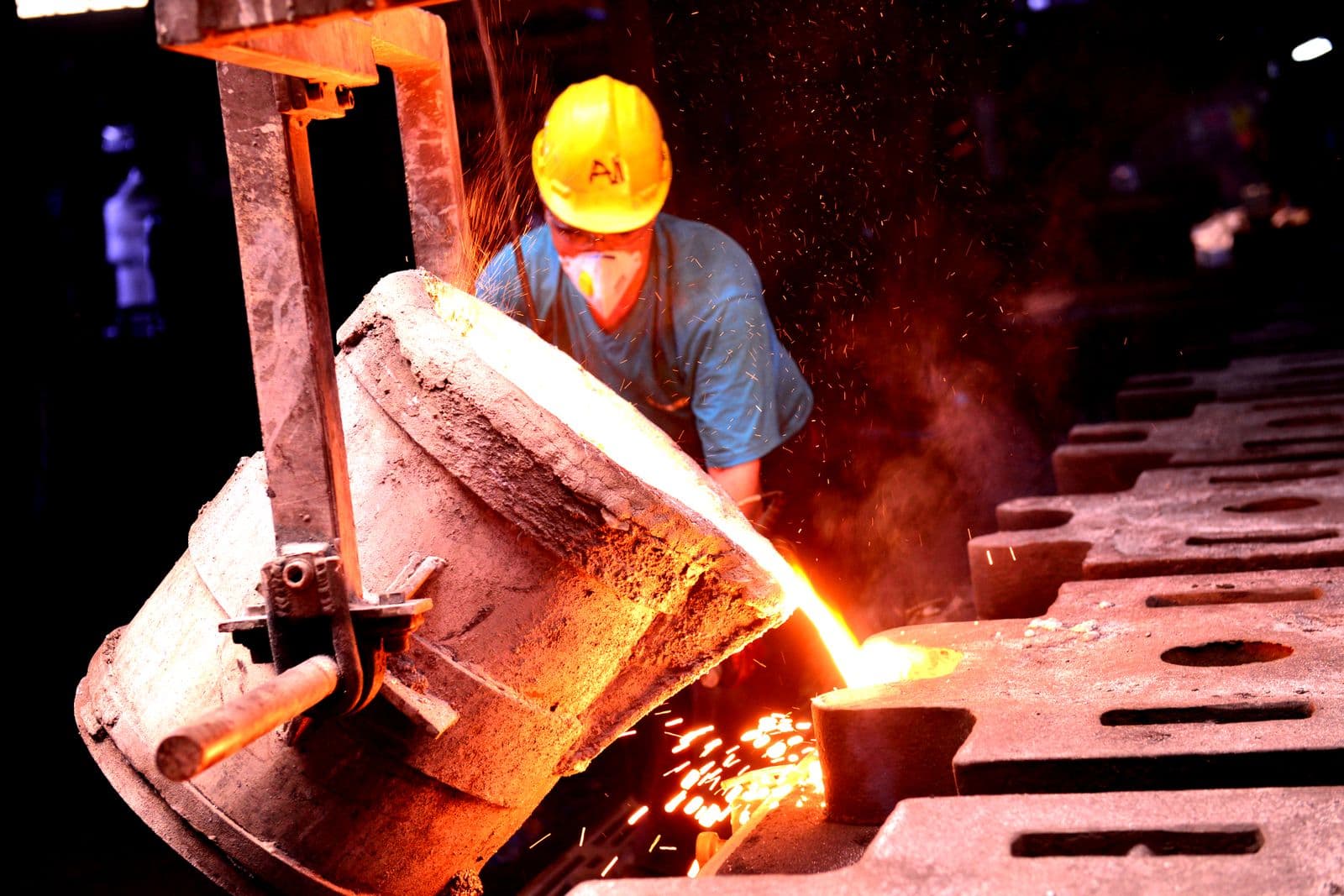
These crucibles are bonded with carbon from tar pitch or synthetic resin, not with clay. Graphite and silicon carbide, with additives such as ferro-silicon and ferro-manganese, are graded and kneaded hot with the molten binder in a U-trough mixer. The mix is pressed in a steel die on a hydraulic roller press. After setting for a few days, the pots are packed in saggers with coke dust and fired at 1350–1400°C in an oil-fired shuttle kiln, then glazed and flashed. Foundries use them to melt brass, copper, nickel and other metals and alloys. The profile says they conduct heat better and resist thermal shock better than clay bonded graphite crucibles.
Capacity: 300 MT of crucibles a year, valued at ₹1.65 crore in the profile, on a single shift for 300 days; kiln firing runs round the clock until each cycle ends.
§2Is it right for you?
Who it is for
A ceramic or refractory technologist, or a foundry supplier, who can control mix recipes and kiln firing.
Who it is not for
Someone without refractory experience; a bad batch cracks in the customer's furnace.
Advantages
- Foundries wear out crucibles and must keep buying them
- Better heat conduction and thermal shock resistance than clay bonded graphite crucibles, as the profile notes
- An oil-fired shuttle kiln gives a shorter firing cycle and less smoke than a coal-fired kiln
Drawbacks
- Costly start: ₹83,02,000 even at 2002 prices, with ₹27,00,000 for kilns alone
- Kiln capacity and firing cycle limit output
- Hot pitch, graphite dust and kiln fuel make the work dirty and risky
- Buyers judge a crucible by how many melts it lasts
Skills you need
- Grading and mixing graphite, silicon carbide and binder
- Hot pressing without laminations or cracks
- Kiln firing in a reducing atmosphere at 1350–1400°C
- Glazing and testing to the Indian Standard
Why difficulty 4/5: A costly kiln and a recipe-and-firing process where small mistakes spoil whole batches.
§3Market
Who buys
- Non-ferrous foundries melting brass, copper, nickel and their alloys
- Precious metal and alloy makers
- Railway and defence production workshops
- Foundry supply dealers
How it sells
- Direct supply to foundries
- Dealers in foundry stores and refractories
- Tenders of railways and defence units
Good to know
- The profile says demand comes from mines, railways, aeronautics, defence production and makers of precious metals and alloys.
- It takes an average selling price of ₹54,308 a tonne (2002).
§4Raw material & machinery
| Item | Qty | Cost |
|---|---|---|
| Jaw crusher, 150 × 75 mm, with 3 HP motor | 1 | ₹30,000 |
| Disintegrator, 350 mm, with 5 HP motor | 1 | ₹40,000 |
| Electro or permanent magnet | 1 | ₹10,000 |
| Ball mill, 900 × 900 mm, with 7.5 HP motor | 1 | ₹60,000 |
| Ejection type steel dies for standard crucible sizes | — | ₹1,00,000 |
| Vibrating screen with dust accumulator, 900 × 600 mm, 3 HP | 1 | ₹25,000 |
| Platform weighing scales, 10 kg and 30 kg | 2 | ₹10,000 |
| U-trough mixer or kneader, 600 × 900 mm, with 7.5 HP motor | 1 | ₹40,000 |
| Hydraulic roller press, 100 tonnes, with accumulator and pump | — | ₹4,50,000 |
| Oil firing equipment: 8 burners, 2 blowers, pre-heaters, filters, tanks and pyrometers | — | ₹1,00,000 |
| Testing equipment | — | ₹17,000 |
| Flashing furnaces | — | ₹13,000 |
| Shuttle kilns, 19 × 10 ft and 12 × 10 ft, with a common chimney | 2 | ₹27,00,000 |
| Miscellaneous tools such as heating kettle and mixing shovels | — | ₹10,000 |
From: DC-MSME project profile — Carbon Bonded Silicon Carbide Crucibles (2002)
- Graphite, imported or Indian13 tonnes a month at ₹25,000 a tonne (2002)
- Silicon carbide9 tonnes a month at ₹22,000 a tonne
- Ferro-manganese and ferro-silicon3.5 tonnes a month at an average of ₹11,000 a tonne
- Bonding material: tar, pitch or synthetic resin5 tonnes a month at an average of ₹6,000 a tonne
- Fire clay, ball clay, china clay and minerals for saggers and kiln furniture₹10,000 a month
- Coke10 tonnes a month at ₹2,500 a tonne
From: DC-MSME project profile — Carbon Bonded Silicon Carbide Crucibles (2002)
§5Licences & registration
- Udyam registration
- GST registration
- Factory licence
- State Pollution Control Board consent (oil-fired kilns, pitch fumes and dust)
- Licence to store fuel oil where the quantity needs it
- BIS certification where a Quality Control Order applies
Start it in your state
Pick your state: today’s cost, central + state subsidy, raw material, land and help, on one page.
§6Schemes & subsidies
Even at 2002 prices the project cost of ₹83,02,000 is above PMEGP's ceiling of ₹50 lakh for manufacturing, and today's cost will be much higher — check today's cost before you look at PMEGP. CGTMSE can back a collateral-free loan of up to ₹10 crore.
§7Money
How the investment is worked out: Fixed capital ₹54,22,000 (land of 1,000 sq m ₹5,00,000, buildings with sanitary fittings and electrification ₹8,82,050, machinery and equipment ₹40,40,000 including two shuttle kilns at ₹27,00,000) + recurring expenditure for 3 months ₹28,80,000 = ₹83,02,000. Land and building are owned.
Working capital: Recurring expenditure is ₹9,60,000 a month: raw material ₹6,35,000, utilities ₹1,74,400 (mostly LDO at ₹1,35,000), staff ₹1,14,000 and other expenses ₹38,000. The profile funds 3 months, ₹28,80,000.
Prices from 2002 — kiln, machinery, land, mineral and fuel costs will be much higher now.
§8Export potential
Export council / board: CAPEXIL
- The profile prints no HS code and does not discuss export.
§9Risks — where people fail
- Crucibles failing early in use and losing the customer
- Rise in graphite, silicon carbide and fuel oil prices
- Whole kiln loads lost to a firing mistake
- Fire and burn accidents with molten pitch
§1030 / 60 / 90-day plan
A general plan that applies to any business. A plan for this business will be added after research.
- Days 1–30: Visit a working carbon bonded silicon carbide crucibles unit, ask 10 buyers about price and quantity, and get quotations from 3 suppliers.
- Days 31–60: Udyam and the licences you need (Udyam registration, GST registration), a project report (DPR), and the scheme or loan file.
- Days 61–90: Space and machines, trial production, and first deliveries to 10 customers.
§11Who to connect with
§12Watch
There is no episode on this business yet. Shows are coming soon on the Podcast page.
Want to start Carbon Bonded Silicon Carbide Crucibles?
DPR, loan file or registration — ask us on WhatsApp.
¶Sources
Data review: 6 October 2026. Spotted a mistake? Report it. For information only — not legal or financial advice.