

§1What this business is
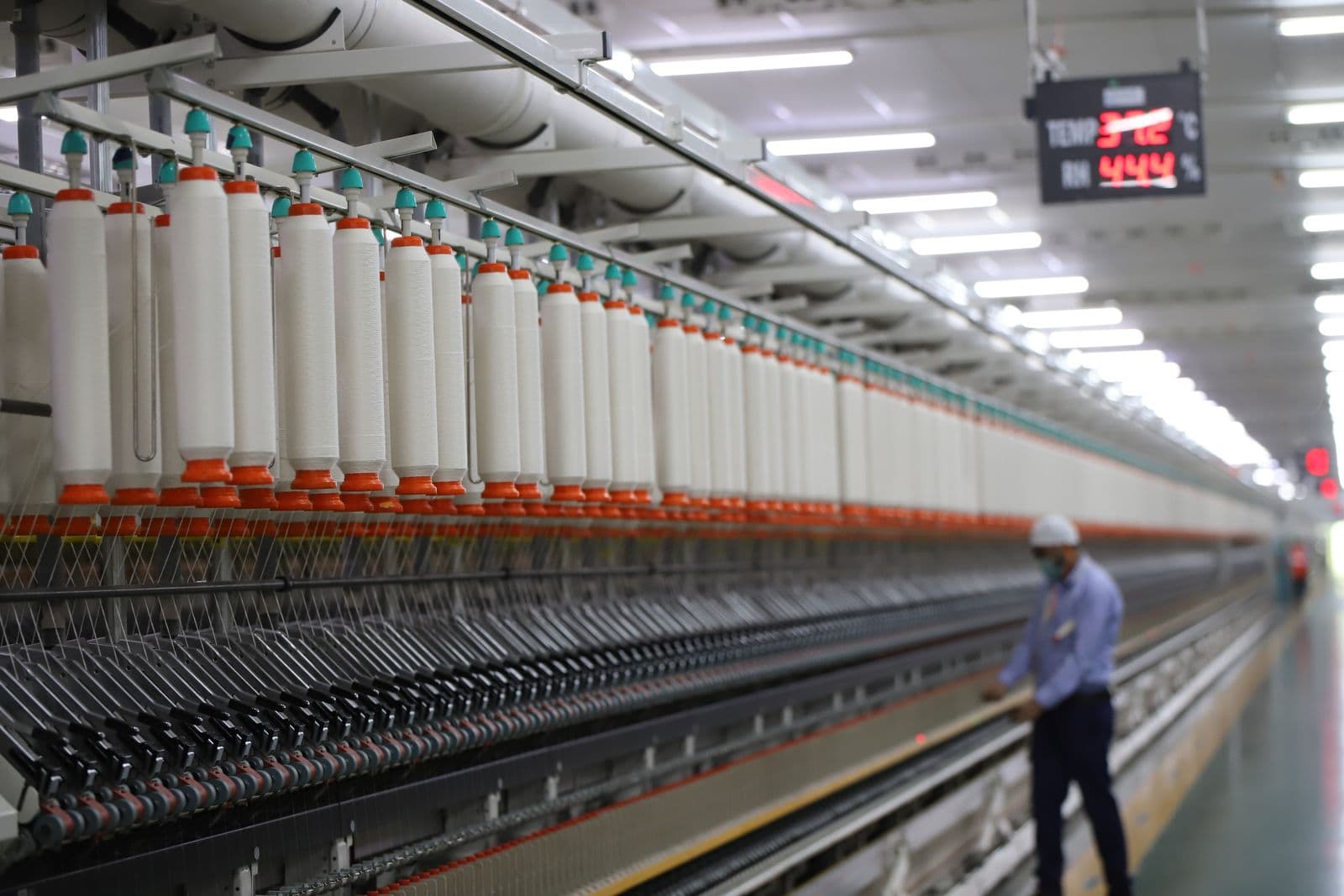
An automatic sock knitting machine turns yarn into socks; the unit then finishes and packs them. The report's machine makes 48 pairs an hour (1,15,200 pairs a year), sold at ₹30 a pair in year 1. Two to three people run it from about 1,200 sq ft of rented space.
Capacity: 48 pairs an hour, 384 a day, 1,15,200 pairs a year; 50% use in year 1.
§2Is it right for you?
Who it is for
Someone with garment-trade contacts who can sell in volume to retailers.
Who it is not for
Someone without a sales channel.
Advantages
- Small team and small space
- Socks are a repeat purchase
- Raw material is cheap (₹140 a kg; 1 kg makes 40 pairs)
- The machine runs mostly on its own
Drawbacks
- Rent eats much of the profit (₹2.88 L in year 1)
- Low price per pair (₹30)
- Strong competition from established brands
- One machine — a breakdown stops all output
Skills you need
- Machine setting and upkeep
- Yarn buying
- Packing and branding
- Wholesale selling
Why difficulty 2/5: One machine and a small team; selling is the real work.
§3Market
Who buys
- Students and office workers
- Sports shoe users
How it sells
- Garment and hosiery wholesalers
- Retail shops
- Online marketplaces
Good to know
- Selling price ₹30 a pair in year 1, rising ₹1 a year in the report.
- The report quotes the global socks market at USD 42.2 billion (2018).
§4Raw material & machinery
| Item | Qty | Cost |
|---|---|---|
| Automatic sock knitting machine | 1 | ₹6,50,000 + 18% GST = ₹7,67,000 (transport extra) |
From: PMEGP sample project report — Socks Manufacturing Unit (prepared by Udyami/Samadhan)
- Polypropylene, blended yarn, cotton yarnaverage ₹140 a kg; 1 kg makes 40 pairs; 2,880 kg a year at full machine capacity (report)
- Packing material and consumables₹0.95 L in year 1 (report)
From: PMEGP sample project report — Socks Manufacturing Unit (prepared by Udyami/Samadhan)
In our raw material database
§5Licences & registration
- Udyam registration
- GST registration
- Trade licence from the local body
- Fire and pollution registration where required (report)
§6Schemes & subsidies
- PMEGPCentralActive15–35% subsidy
- MudraCentralActiveLoan up to ₹20 lakh, no collateral
- CGTMSECentralActiveNo collateral, up to ₹10 crore
PMEGP (the report shows a 25% KVIC margin money of ₹1.75 L), MUDRA up to ₹20 lakh, CGTMSE.
§7Money
How the investment is worked out: Samadhan report cost table: plant & machinery ₹6.49 L (text: machine ₹6.50 L + 18% GST = ₹7.67 L), furniture ₹0.50 L, working capital ₹2.22 L = ₹9.21 L (bank loan ₹6.29 L, working capital limit ₹2.00 L, own money ₹0.92 L). The cover page prints ₹6.99 L, which leaves out working capital.
Working capital: Working capital ₹2.22 L (bank ₹2.00 L); rent is the largest fixed cost.
Year not printed on the report — check current machinery and material prices.
§8Export potential
Confirm the HS code in the DGFT ITC(HS) lookup before you export
Export council / board: Apparel Export Promotion Council (AEPC)
- Get an Import Export Code (IEC) from DGFT before exporting.
§9Risks — where people fail
- Yarn price changes
- Machine downtime
- Unsold stock
- Price competition
§1030 / 60 / 90-day plan
A general plan that applies to any business. A plan for this business will be added after research.
- Days 1–30: Visit a working socks manufacturing unit, ask 10 buyers about price and quantity, and get quotations from 3 suppliers.
- Days 31–60: Udyam and the licences you need (Udyam registration, GST registration), a project report (DPR), and the scheme or loan file.
- Days 61–90: Space and machines, trial production, and first deliveries to 10 customers.
§11Who to connect with
Associations, clusters and training institutes — the directory is being built. Connect
§12Watch
There is no episode on this business yet. Shows are coming soon on the Podcast page.
Want to start Socks Manufacturing?
DPR, loan file or registration — ask us on WhatsApp.
¶Sources
Data review: 6 October 2026. Spotted a mistake? Report it. For information only — not legal or financial advice.