

§1What this business is
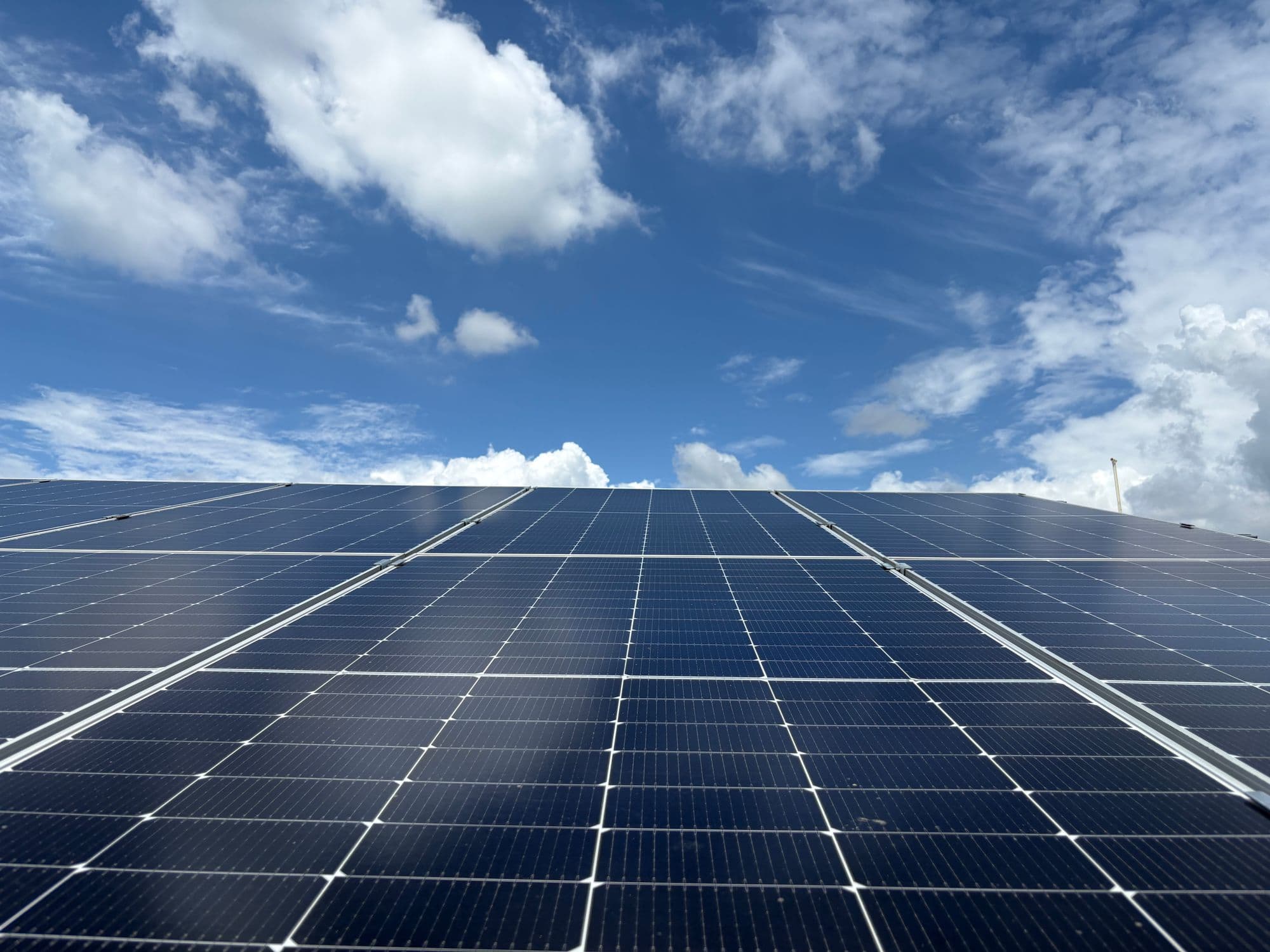
You install solar panels, inverters and structures on the roofs of homes, shops and factories, and get net-metering done. Customers are households (with PM Surya Ghar subsidy), shops, schools and small factories. Work is project by project; material is bought per project.
§2Is it right for you?
Who it is for
Someone with an electrical diploma/ITI, or who builds a team with such people, and understands the DISCOM process.
Who it is not for
Someone who does it only for commission, without a technical team.
Advantages
- Government subsidy (PM Surya Ghar) drives demand
- Material bought per project — little inventory
- Each installation brings referrals
- Long-term income from maintenance/AMC
Drawbacks
- Vendor empanelment and DISCOM paperwork take long
- Delays in subsidy/payment release
- Panel prices keep changing
- Responsibility for electrical safety
Skills you need
- Electrical/solar installation
- Load calculation & design
- DISCOM/net-metering process
- Explaining finance to customers
Why difficulty 3/5: Technical + paperwork-heavy; long payment cycle.
§3Market
Who buys
- Homes (rooftop systems)
- Shops, offices, hotels and institutions
- Factories (commercial and industrial rooftops)
- Farmers for solar irrigation pumps
How it sells
- Government rooftop programmes through DISCOM / MNRE empanelment
- Direct contracts with private clients
- Maintenance and cleaning contracts after installation
Good to know
- The installer usually files the net-metering application with the DISCOM for the client.
- Client advances of 10–30% of project value reduce upfront funding needs.
- High upfront cost and low awareness are the main sales hurdles.
§4Raw material & machinery
| Item | Qty | Cost |
|---|---|---|
| Monitoring systems | 5 | ₹1.00 lakh (₹0.20 lakh each) |
| Mounting structures | 5 | ₹0.50 lakh (₹0.10 lakh each) |
| Diagnostic tools (multimeters, infrared thermometers) | 5 | ₹0.50 lakh (₹0.10 lakh each) |
| Cleaning equipment (soft brushes, microfibre cloths, non-abrasive cleaners) | 1 set | ₹0.15 lakh |
| Office set-up | 1 | ₹0.20 lakh |
- Solar modules (monocrystalline, polycrystalline, thin-film)ALMM-listed modules are needed for government-linked and subsidy projects
- Inverters (string, micro, hybrid)
- Batteries (lithium-ion or lead-acid)for off-grid systems
- Mounting structures (GI fixed-tilt, elevated, aluminium)new installers often buy prefabricated structures from vendors
- Cables and accessories
From: IIFL Finance – How to start a solar system installation and EPC business (2026) — private guide — confirm locally · Devbhoomi Udyamita Yojana (Govt of Uttarakhand, Higher Education Dept) – Project Profile: Solar Panel Installation and Maintenance
§5Licences & registration
- State DISCOM / PM Surya Ghar vendor empanelment
- Electrical contractor licence (UP Electrical Safety Directorate)
- GST
- Udyam
- Use of ALMM-listed modules
§6Schemes & subsidies
- MudraCentralActiveLoan up to ₹20 lakh, no collateral
- CGTMSECentralActiveNo collateral, up to ₹10 crore
- PMEGPCentralActive15–35% subsidy
- Stand-Up IndiaCentralClosed₹10 lakh – ₹1 crore loan
Service/trading-cum-service: MUDRA, CGTMSE, PMEGP (service up to ₹20 L), Stand-Up India for SC/ST/women.
§7Money
How the investment is worked out: NON-OFFICIAL ESTIMATE. IIFL article (May 2026): small residential installer needs ₹8–15 lakh initial capital; large commercial EPC ₹25–50 lakh.
Lender's blog; no official project profile found.
§8Export potential
A local service business; it has no goods to export.
§9Risks — where people fail
- Payment/subsidy delays
- Price changes in modules
- Installation quality/safety
- Regulatory changes
§1030 / 60 / 90-day plan
A general plan that applies to any business. A plan for this business will be added after research.
- Days 1–30: Visit a working rooftop solar installation (epc) unit, ask 10 buyers about price and quantity, and get quotations from 3 suppliers.
- Days 31–60: Udyam and the licences you need (State DISCOM / PM Surya Ghar vendor empanelment, Electrical contractor licence (UP Electrical Safety Directorate)), a project report (DPR), and the scheme or loan file.
- Days 61–90: Space and machines, trial production, and first deliveries to 10 customers.
§11Who to connect with
Associations, clusters and training institutes — the directory is being built. Connect
§12Watch
There is no episode on this business yet. Shows are coming soon on the Podcast page.
Want to start Rooftop Solar Installation (EPC)?
DPR, loan file or registration — ask us on WhatsApp.
¶Sources
Data review: 6 October 2026. Spotted a mistake? Report it. For information only — not legal or financial advice.