

§1What this business is
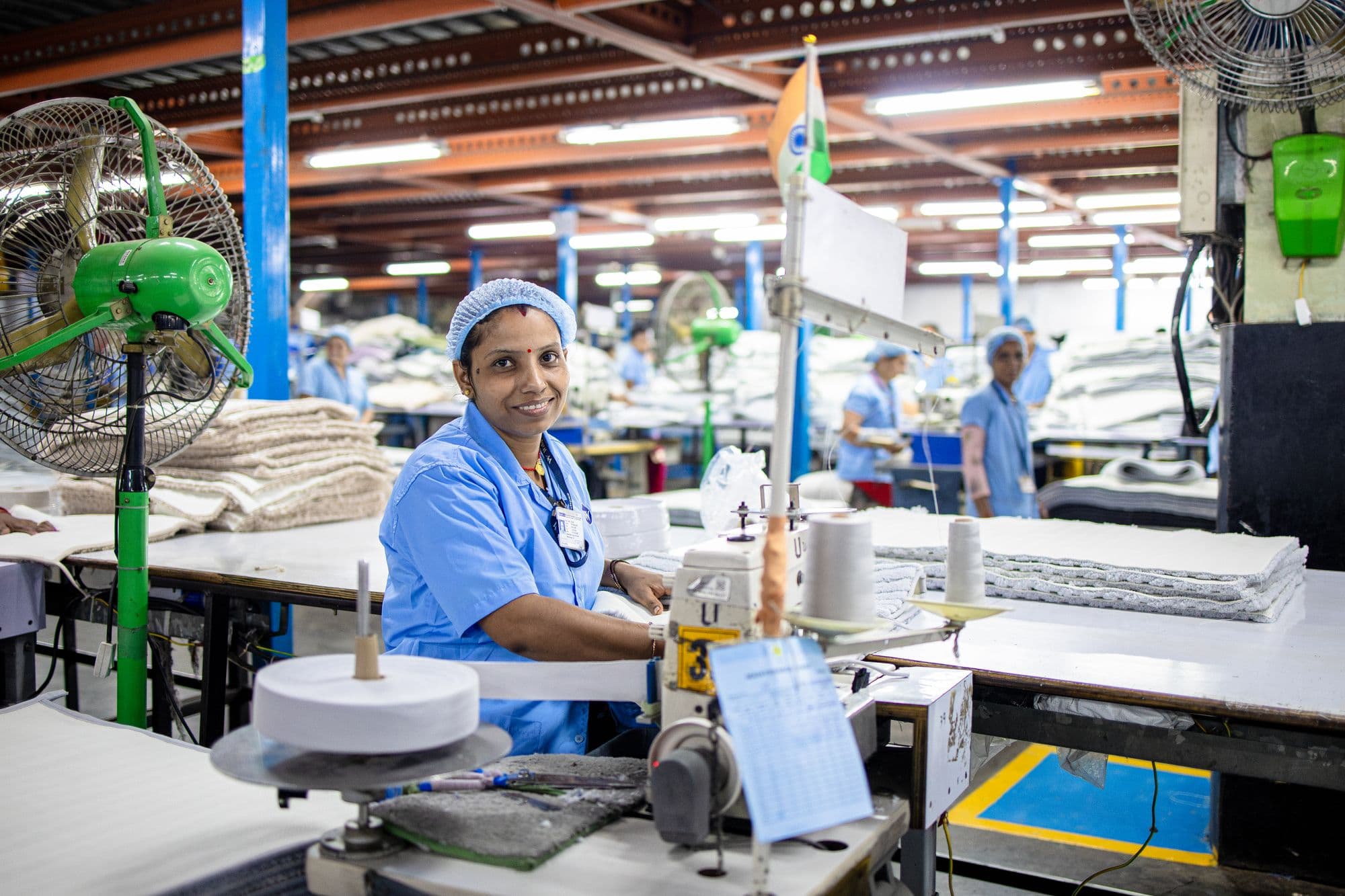
An artisan workshop that turns bamboo, reclaimed wood, terracotta clay, jute, cotton yarn and upcycled glass or metal into lamps, wall art, planters, rugs, curtains, candle holders and vases. Work is mostly by hand — cutting and bending bamboo, carving wood, firing clay in a kiln, weaving on looms and finishing with natural dyes and beeswax. Buyers are city homes, resorts, homestays, spas, interior designers, boutiques and export buyers.
§2Is it right for you?
Who it is for
A designer or craft entrepreneur who can manage a team of artisans and sell to resorts, interior designers and online buyers.
Who it is not for
Someone who wants machine-made volumes or quick turnover.
Advantages
- Bamboo, wood, clay and fibre are available in the hills
- Resorts, homestays and yoga retreats buy décor in bulk
- Handmade, eco-friendly goods sell at good margins online and abroad
- Builds on existing artisan skills in Almora, Chamoli and Pauri
Drawbacks
- Wages are the biggest cost and must be paid before sales grow
- Natural materials make every batch slightly different
- Handmade work is slow
- City brands spend far more on marketing
Skills you need
- Product design and trend sense
- Managing artisans in wood, bamboo, clay and weaving
- Finishing and safe packing of fragile goods
- Online and export selling
Why difficulty 3/5: Many crafts under one roof and a large wage bill to carry before sales grow.
§3Market
Who buys
- Eco-conscious homes in big and mid-sized cities
- Hotels, homestays, spas and wellness resorts
- Interior designers, boutiques and gifting brands
- Export buyers in the USA, Europe and South-East Asia
How it sells
- Amazon, Flipkart and Etsy
- Own website and Instagram shop
- Trade expos and handicraft melas
- EPCH buyer fairs for export
Good to know
- The report positions the products around storytelling and the local artisans behind them.
- B2B demand comes from new boutique stays in Rishikesh, Almora and Nainital.
§4Raw material & machinery
| Item | Qty | Cost |
|---|---|---|
| Woodworking tools (drills, saws, sanders) | 1 set | ₹1,50,000 |
| Pottery kiln and tools | 1 set | ₹2,00,000 |
| Looms / weaving machines | 1 set | ₹1,20,000 |
| Bamboo cutting and bending tools | 1 set | ₹80,000 |
| Natural dyeing and finishing setup | 1 set | ₹1,00,000 |
| Packing and labelling unit | 1 set | ₹50,000 |
From: Uttarakhand DUY project profile — Sustainable Home Decor Products
- Bamboo and woodfrom forest cooperatives, the Uttarakhand Bamboo Board and Van Panchayats
- Terracotta clayfrom pottery artisans in Almora and Ranikhet
- Jute, cotton yarn and natural fibrefrom weavers in Chamoli and Tehri
- Natural dyes and beeswaxfor finishing
- Recycled glass and metalthrough recycling NGOs in Dehradun
- Jute wraps, corrugated boxes, paper tapeeco-friendly packing
From: Uttarakhand DUY project profile — Sustainable Home Decor Products
§5Licences & registration
- Udyam
- GST
- Factory licence if required (report)
- Fire and safety clearance (report)
- Trademark and eco-label certification (optional)
- Artisan card from the Development Commissioner (Handicrafts) for craft schemes and fairs
- IEC for exports
§6Schemes & subsidies
- PMEGPCentralActive15–35% subsidy
- MudraCentralActiveLoan up to ₹20 lakh, no collateral
- CGTMSECentralActiveNo collateral, up to ₹10 crore
- Stand-Up IndiaCentralClosed₹10 lakh – ₹1 crore loan
PMEGP covers a new manufacturing unit of this size; MUDRA can fund a smaller start; CGTMSE gives a collateral-free guarantee; Stand-Up India suits SC/ST and women founders.
§7Money
How the investment is worked out: Machinery and tools ₹7.00 L + workshop setup & utilities ₹3.00 L + first-year workforce ₹22.20 L + working capital ₹5.00 L + branding and launch ₹2.00 L = ₹39.20 L. Finance: own ₹15.68 L (40%), bank/MSME loan ₹23.52 L (60%).
Working capital: ₹5.00 L working capital; the project cost also counts a full year of wages (₹22.20 L) as money needed at the start.
Year not printed on the DUY profile — check current machinery prices.
§8Export potential
Export council / board: EPCH (Export Promotion Council for Handicrafts), named in the report
- The range mixes bamboo, wood, terracotta, textiles and glass, so each product has its own HS code — check each in the DGFT ITC-HS list.
§9Risks — where people fail
- Raw-material supply and price changes
- Cheaper machine-made substitutes
- Breakage in shipping
- Slow payment from retailers
§1030 / 60 / 90-day plan
A general plan that applies to any business. A plan for this business will be added after research.
- Days 1–30: Visit a working sustainable home décor products unit, ask 10 buyers about price and quantity, and get quotations from 3 suppliers.
- Days 31–60: Udyam and the licences you need (Udyam, GST), a project report (DPR), and the scheme or loan file.
- Days 61–90: Space and machines, trial production, and first deliveries to 10 customers.
§11Who to connect with
Associations, clusters and training institutes — the directory is being built. Connect
§12Watch
There is no episode on this business yet. Shows are coming soon on the Podcast page.
Want to start Sustainable Home Décor Products?
DPR, loan file or registration — ask us on WhatsApp.
¶Sources
Data review: 6 October 2026. Spotted a mistake? Report it. For information only — not legal or financial advice.