

§1What this business is
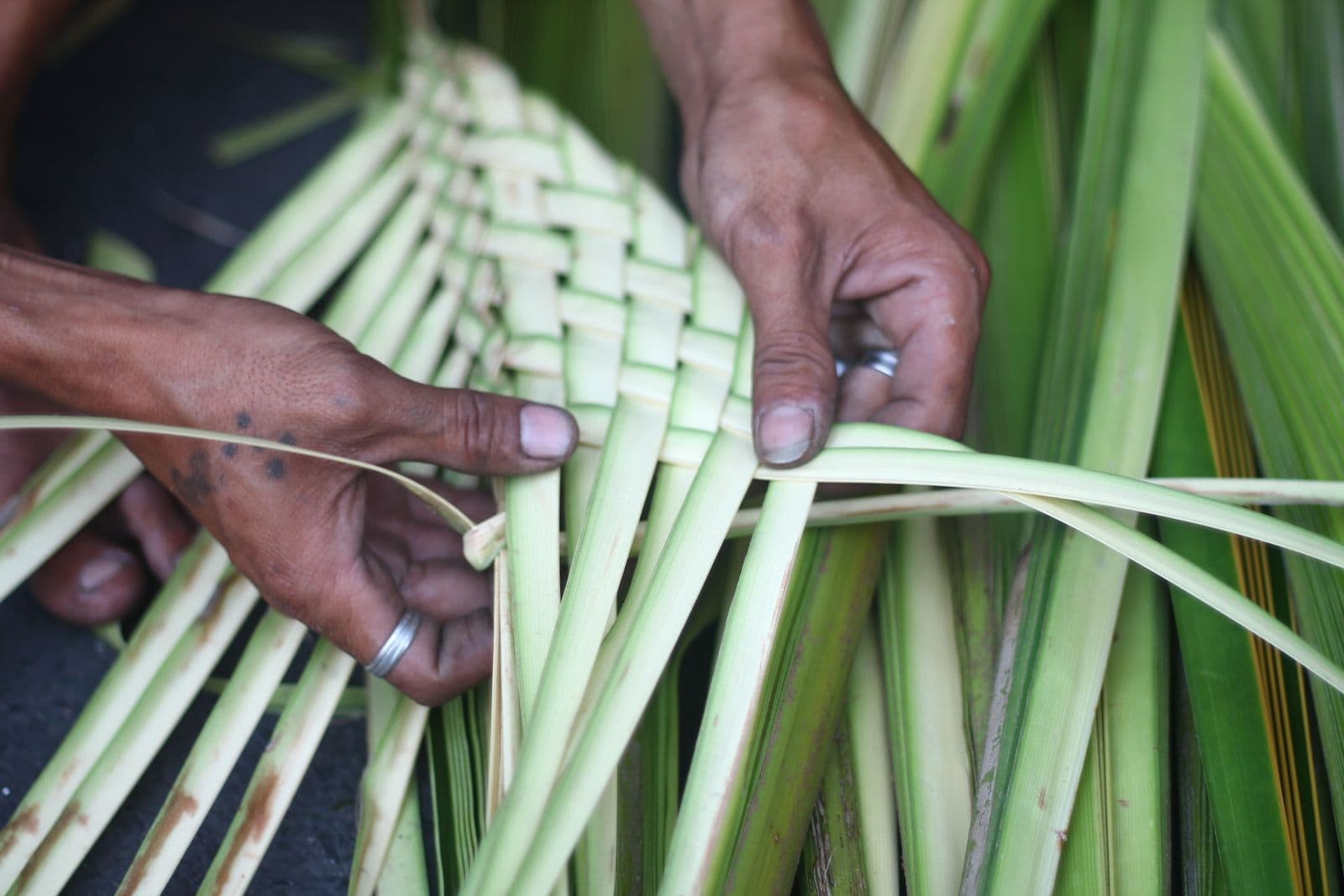
Wheat stalks are rinsed, treated against decay, oven-dried, cut into slices and pasted onto cloth frames to form pictures, then coated with protective lacquer. The report plans 80 decorative calendars (30 × 60 cm) a day; items also include vases, cloth charts and pictures of Hindu deities.
Capacity: 80 pieces a day; 60% in year 1.
§2Is it right for you?
Who it is for
An artisan family or self-help group from a wheat-stalk craft area.
Who it is not for
Someone looking for fast, machine-made volume.
Advantages
- Raw material is a farm by-product
- No machines — hand tools only
- Unique craft with a local identity
- Pictures gain shine with age, per the report
Drawbacks
- Slow, labour-heavy work
- Thin margin in year 1 (2.9%)
- Niche buyers — needs fairs and tourists
- Same design is hard to repeat exactly in bulk
Skills you need
- Stalk cutting and pasting
- Design and drawing
- Craft-fair and exhibition selling
- Finishing with lacquer
Why difficulty 2/5: Low capital and no machines; skill and finding buyers matter.
§3Market
Who buys
- Tourists and gift buyers
- Homes and offices for décor
- Religious-picture buyers
How it sells
- Craft fairs and exhibitions
- Gift and handicraft shops
- Online craft marketplaces
Good to know
- The report says three craftsmen from Bahraich have won the state award for this craft.
§4Raw material & machinery
| Item | Qty | Cost |
|---|---|---|
| Hand tools — scissors, cutters, needles — with trolleys and bins | 1 lot | ₹25,000–30,000 |
From: PMEGP sample project report — Wheat Stalk Craft (prepared by Udyami/Samadhan)
- Wheat stalksfarm by-product
- Cloth, pencil, thread and adhesiveall material ₹180–200 per calendar
- Protective lacquerfor coating finished pictures
From: PMEGP sample project report — Wheat Stalk Craft (prepared by Udyami/Samadhan)
§5Licences & registration
- Udyam registration
- GST (once turnover crosses the threshold)
- Artisan card from the Development Commissioner (Handicrafts) for fair stalls and schemes
§6Schemes & subsidies
- PMEGPCentralActive15–35% subsidy
- MudraCentralActiveLoan up to ₹20 lakh, no collateral
- CGTMSECentralActiveNo collateral, up to ₹10 crore
PMEGP and MUDRA both fit a ₹9.39 L project; CGTMSE for collateral-free credit.
§7Money
How the investment is worked out: Shed 1,200 sq ft ₹5.00 L + furniture ₹0.50 L + working capital ₹3.89 L = ₹9.39 L (no machinery; tools and stores ₹25,000–30,000). Finance: term loan ₹4.95 L, working-capital loan ₹3.50 L, own ₹0.94 L.
Working capital: Working capital ₹3.89 L (bank ₹3.50 L); material ₹180–200 a piece.
Year not printed on the report — check current machinery prices.
§8Export potential
Export council / board: Not verified yet
- No HS code or export body has been checked against an official list yet.
§9Risks — where people fail
- Slow sales between fairs
- Damage from moisture or insects
- Artisans leaving
- Copying of designs
§1030 / 60 / 90-day plan
A general plan that applies to any business. A plan for this business will be added after research.
- Days 1–30: Visit a working wheat stalk craft unit unit, ask 10 buyers about price and quantity, and get quotations from 3 suppliers.
- Days 31–60: Udyam and the licences you need (Udyam registration, GST (once turnover crosses the threshold)), a project report (DPR), and the scheme or loan file.
- Days 61–90: Space and machines, trial production, and first deliveries to 10 customers.
§11Who to connect with
Associations, clusters and training institutes — the directory is being built. Connect
§12Watch
There is no episode on this business yet. Shows are coming soon on the Podcast page.
Want to start Wheat Stalk Craft Unit?
DPR, loan file or registration — ask us on WhatsApp.
¶Sources
Data review: 6 October 2026. Spotted a mistake? Report it. For information only — not legal or financial advice.