

§1What this business is
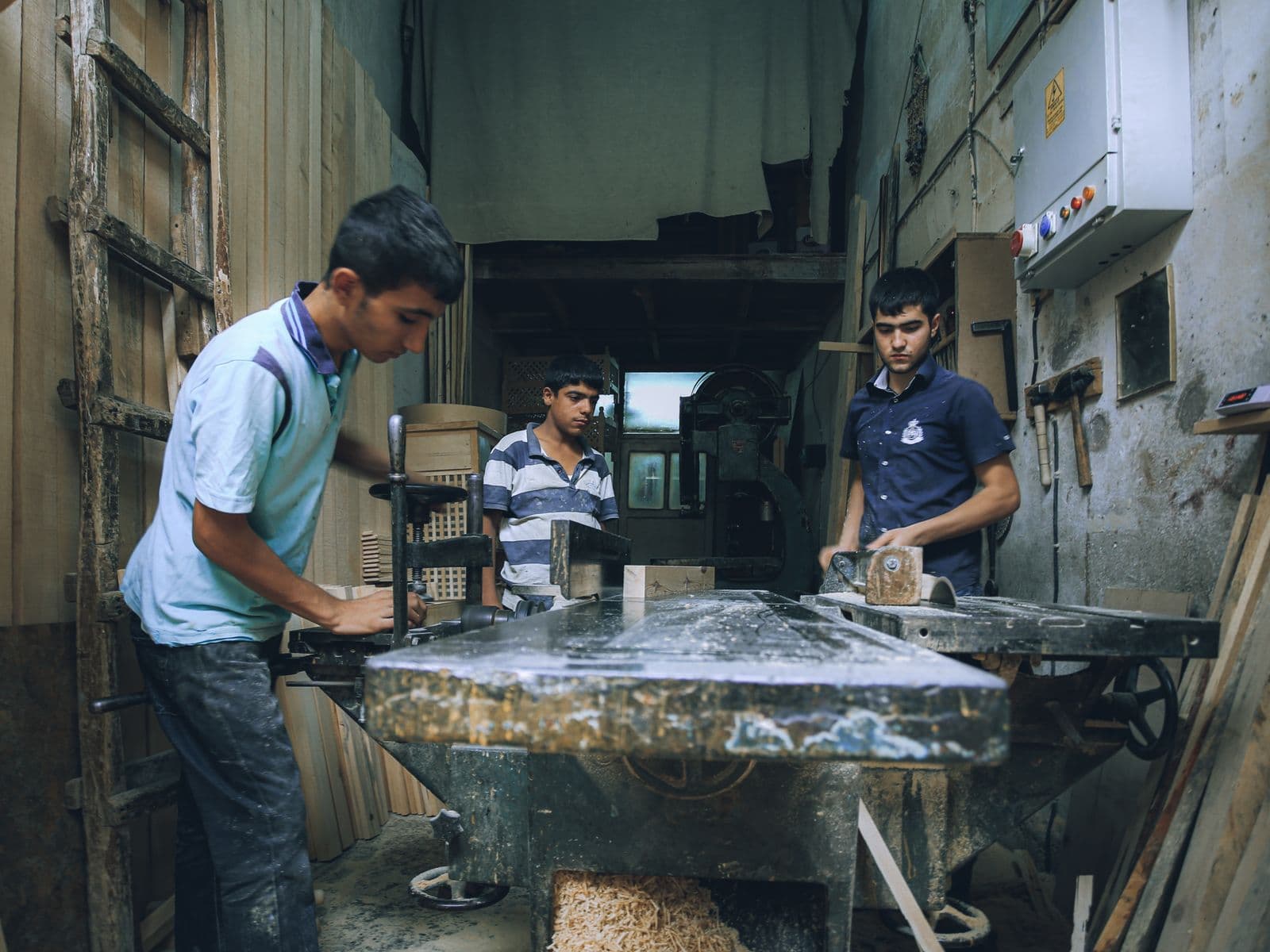
A pattern is an exact wooden model used to form the shape of an item — the mould for a casting, a shoe last or a brick shape. Wood is cut on jig and band saws, planed, turned on a lathe and drilled to the user's design and specifications.
Capacity: 9,000 patterns a year; cost of production ₹34.78 L and projected sales ₹37.00 L at full capacity.
§2Is it right for you?
Who it is for
A trained pattern-maker near a foundry cluster.
Who it is not for
Someone far from foundries or other industrial buyers.
Advantages
- Every foundry needs patterns for new castings
- Small machinery budget (₹2.35 L)
- Made to order — little finished stock
Drawbacks
- Thin surplus — ₹1.99 L on ₹37.00 L sales
- Needs highly skilled pattern-makers
- Metal, resin and 3D-printed patterns are replacing wood in some foundries
Skills you need
- Reading engineering drawings
- Precise woodwork with shrinkage allowance
- Dealing with foundry buyers
Why difficulty 3/5: Low cost, but skilled precision work for a narrow set of buyers.
§3Market
Who buys
- Foundries
- Footwear makers
- Brick makers
How it sells
- Direct orders from industries
Good to know
- The profile says patterns are made to each industry user's design and specifications.
§4Raw material & machinery
| Item | Qty | Cost |
|---|---|---|
| Jig saw with 2 HP motor | 1 | — |
| Band saw, 300 mm | 1 | — |
| Planer, 300 × 150 mm | 1 | — |
| Vertical saw machine | 1 | — |
| Bench drilling machine | 1 | — |
| Wood lathe with 1 HP motor | 1 | — |
| Disc centre machine | 1 | — |
| Bench grinder, 8-inch wheel | 1 | — |
| All equipment together, incl. hand tools, vices, jigs, electrification and office furniture | 1 lot | ₹2,35,000 |
From: KVIC Project Profile — Wooden Patterns (PMEGP)
- Wood (the profile gives only the total)raw material ₹26,40,000 a year at full capacity
- Labels and packing material₹30,000 a year
From: KVIC Project Profile — Wooden Patterns (PMEGP)
Suppliers in Building Business Bazaar
Process and Product Development Centre (PPDC), Agra · Agra →
In our raw material database
Industrial timber (roundwood from farms and trees outside forests) →
§5Licences & registration
- Udyam registration
- GST registration
- Trade licence from the local body
- Buy timber only from licensed depots with a transit pass where state forest rules require it
§6Schemes & subsidies
- PMEGPCentralActive15–35% subsidy
- MudraCentralActiveLoan up to ₹20 lakh, no collateral
- CGTMSECentralActiveNo collateral, up to ₹10 crore
PMEGP fits (KVIC model profile); MUDRA covers the full ₹9.85 L; CGTMSE for a loan without collateral.
§7Money
How the investment is worked out: Equipment ₹2.35 L + working capital ₹7.50 L = ₹9.85 L. Land own; work shed not costed.
Working capital: Working capital ₹7.50 L; need per cycle ₹8,69,350. Raw material ₹26.40 L a year.
Year not printed on the KVIC profile — check current machinery prices.
§8Export potential
Confirm the HS code in the DGFT ITC(HS) lookup before you export
Export council / board: EEPC India
- Confirm the 8-digit ITC(HS) line with DGFT or your customs broker before shipping.
- You need an Import Export Code (IEC) from DGFT before the first shipment.
§9Risks — where people fail
- Orders depend on a few foundries
- Rework when sizes are wrong
- Shift to non-wood patterns
§1030 / 60 / 90-day plan
A general plan that applies to any business. A plan for this business will be added after research.
- Days 1–30: Visit a working wooden pattern making unit, ask 10 buyers about price and quantity, and get quotations from 3 suppliers.
- Days 31–60: Udyam and the licences you need (Udyam registration, GST registration), a project report (DPR), and the scheme or loan file.
- Days 61–90: Space and machines, trial production, and first deliveries to 10 customers.
§11Who to connect with
Associations, clusters and training institutes — the directory is being built. Connect
§12Watch
There is no episode on this business yet. Shows are coming soon on the Podcast page.
Want to start Wooden Pattern Making?
DPR, loan file or registration — ask us on WhatsApp.
¶Sources
Data review: 6 October 2026. Spotted a mistake? Report it. For information only — not legal or financial advice.