

§1What this business is
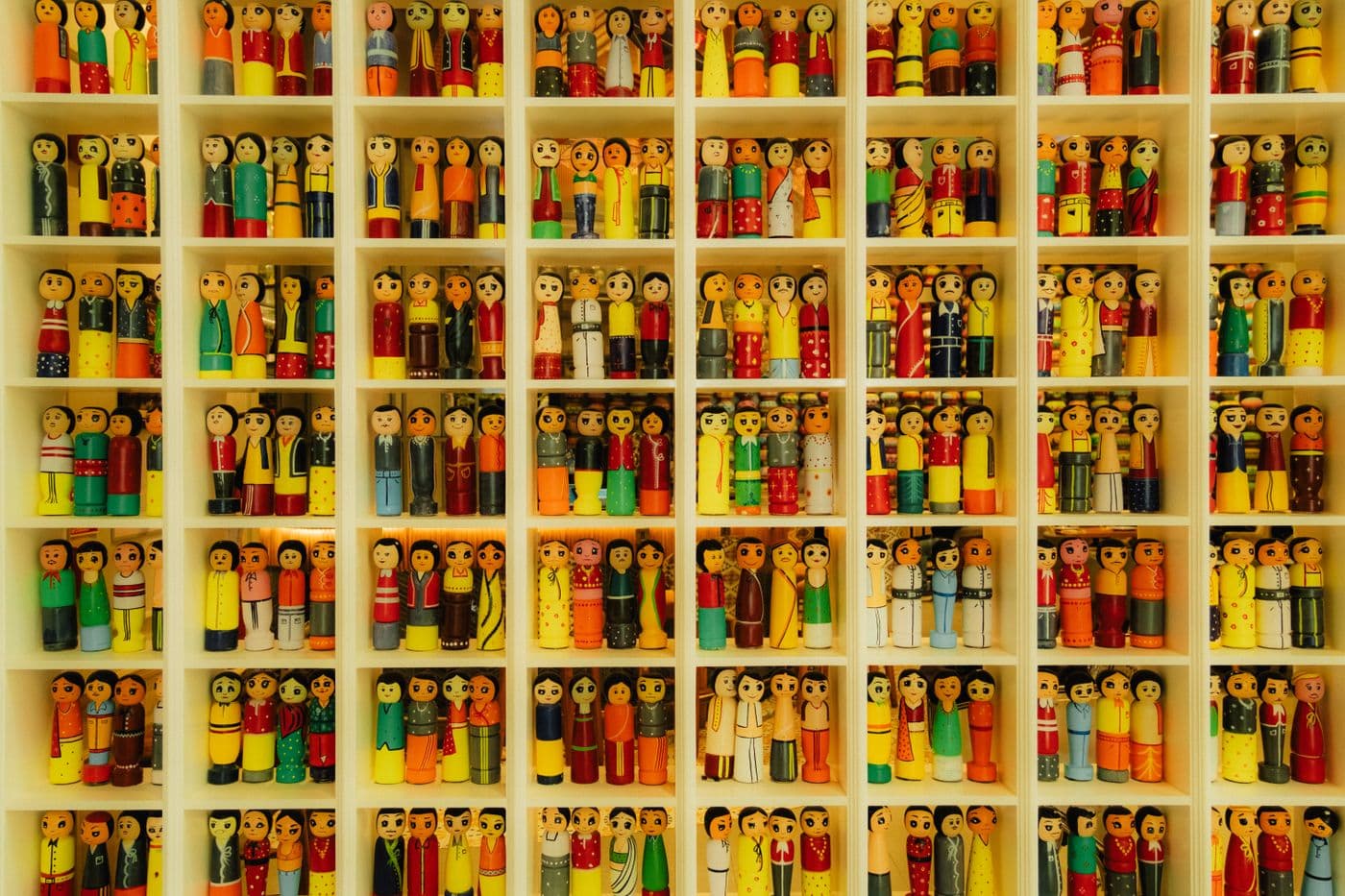
Wood is cut, seasoned for 10–30 days, chiselled into cylinders and turned on a manual or electric lathe into shapes; it is sanded and coloured by pressing lac sticks on the spinning wood, then polished, separated from the lathe and painted. The lac is heated, beaten with lithophone and dyed first. The report is based on the Chitrakoot toy craft, where the number of families living on it has fallen from about 200 to around 30.
Capacity: 120 toys a day on a 10-hour shift; year 1 planned at 50%.
§2Is it right for you?
Who it is for
An artisan family from a toy cluster, or someone who can market craft toys online and to gift shops.
Who it is not for
Someone expecting mass-market volumes against plastic toys.
Advantages
- Traditional craft with a clear identity
- Low machinery cost (₹3.80 L)
- Natural, plastic-free toys appeal to many buyers
Drawbacks
- Demand has fallen against modern toys, the report says
- Export buyers in the EU, Australia and the US demand certification
- Sales often depend on fairs and exhibitions
Skills you need
- Lathe turning
- Lac colouring and finishing
- Craft marketing
Why difficulty 3/5: Craft skill is learnable, but finding steady buyers is hard.
§3Market
Who buys
- Parents and gift buyers
- Tourists
- Handicraft exporters
How it sells
- Local exhibitions and festival stalls
- Craft emporiums and gift shops
- Online marketplaces
Good to know
- The report says artisans sell mostly through local exhibitions and lack space for stalls in tourist season.
- Chitrakoot woodcraft also includes door and window frames sent to other states.
§4Raw material & machinery
| Item | Qty | Cost |
|---|---|---|
| Wood turning lathe | 1 | — |
| Hand saws | 1 set | — |
| Axes | 1 set | — |
| Chisels | 1 set | — |
| Gauges | 1 set | — |
| All machinery and hand tools together (excl. GST and installation) | 1 lot | ₹3,80,000 (approx.) |
From: PMEGP sample project report — Wooden Toy Making (prepared by Udyami/Samadhan)
- Soft wood (Dudhi, Koraiya in Chitrakoot; also hale, teak and others)main raw material
- Lacfor colouring and lacquer
- Lithophonemakes the lac opaque
- Paints and pigmentsfor final finishing
From: PMEGP sample project report — Wooden Toy Making (prepared by Udyami/Samadhan)
In our raw material database
§5Licences & registration
- Udyam registration
- GST registration
- Artisan identity card (Pehchan) from the Development Commissioner (Handicrafts) — useful for craft schemes and fairs
- Buy timber only from licensed depots with a transit pass where state forest rules require it
- BIS licence under the Toys (Quality Control) Order for toys sold in India; artisans registered with the Development Commissioner (Handicrafts) selling their own handmade toys are exempt — check the current order
§6Schemes & subsidies
- PMEGPCentralActive15–35% subsidy
- MudraCentralActiveLoan up to ₹20 lakh, no collateral
- CGTMSECentralActiveNo collateral, up to ₹10 crore
- Stand-Up IndiaCentralClosed₹10 lakh – ₹1 crore loan
PMEGP fits (₹11.73 L); MUDRA covers the full cost; CGTMSE for a loan without collateral; Stand-Up India for SC/ST and women founders.
§7Money
How the investment is worked out: Building / shed (1,000 sq ft) ₹4.00 L + plant & machinery ₹3.80 L + furniture & fixtures ₹0.60 L + working capital ₹3.33 L = ₹11.73 L.
Working capital: Working capital ₹3.33 L, of which bank finance ₹3.00 L; 15 days of stock, 15 days' credit. Raw material about ₹100–120 per toy (report's approximate figure).
Year not printed on the report — check current machinery prices.
§8Export potential
Confirm the HS code in the DGFT ITC(HS) lookup before you export
Export council / board: EPCH (Export Promotion Council for Handicrafts)
- The report says EU, Australian and US buyers ask for certification and eco-friendly compliance marks.
- Confirm the 8-digit ITC(HS) line with DGFT or your customs broker before shipping.
§9Risks — where people fail
- Shrinking demand
- Toy safety and paint rules
- Wood supply from forests
§1030 / 60 / 90-day plan
A general plan that applies to any business. A plan for this business will be added after research.
- Days 1–30: Visit a working wooden toy making (lacquer turned toys) unit, ask 10 buyers about price and quantity, and get quotations from 3 suppliers.
- Days 31–60: Udyam and the licences you need (Udyam registration, GST registration), a project report (DPR), and the scheme or loan file.
- Days 61–90: Space and machines, trial production, and first deliveries to 10 customers.
§11Who to connect with
Associations, clusters and training institutes — the directory is being built. Connect
§12Watch
There is no episode on this business yet. Shows are coming soon on the Podcast page.
Want to start Wooden Toy Making (Lacquer Turned Toys)?
DPR, loan file or registration — ask us on WhatsApp.
¶Sources
Data review: 6 October 2026. Spotted a mistake? Report it. For information only — not legal or financial advice.