

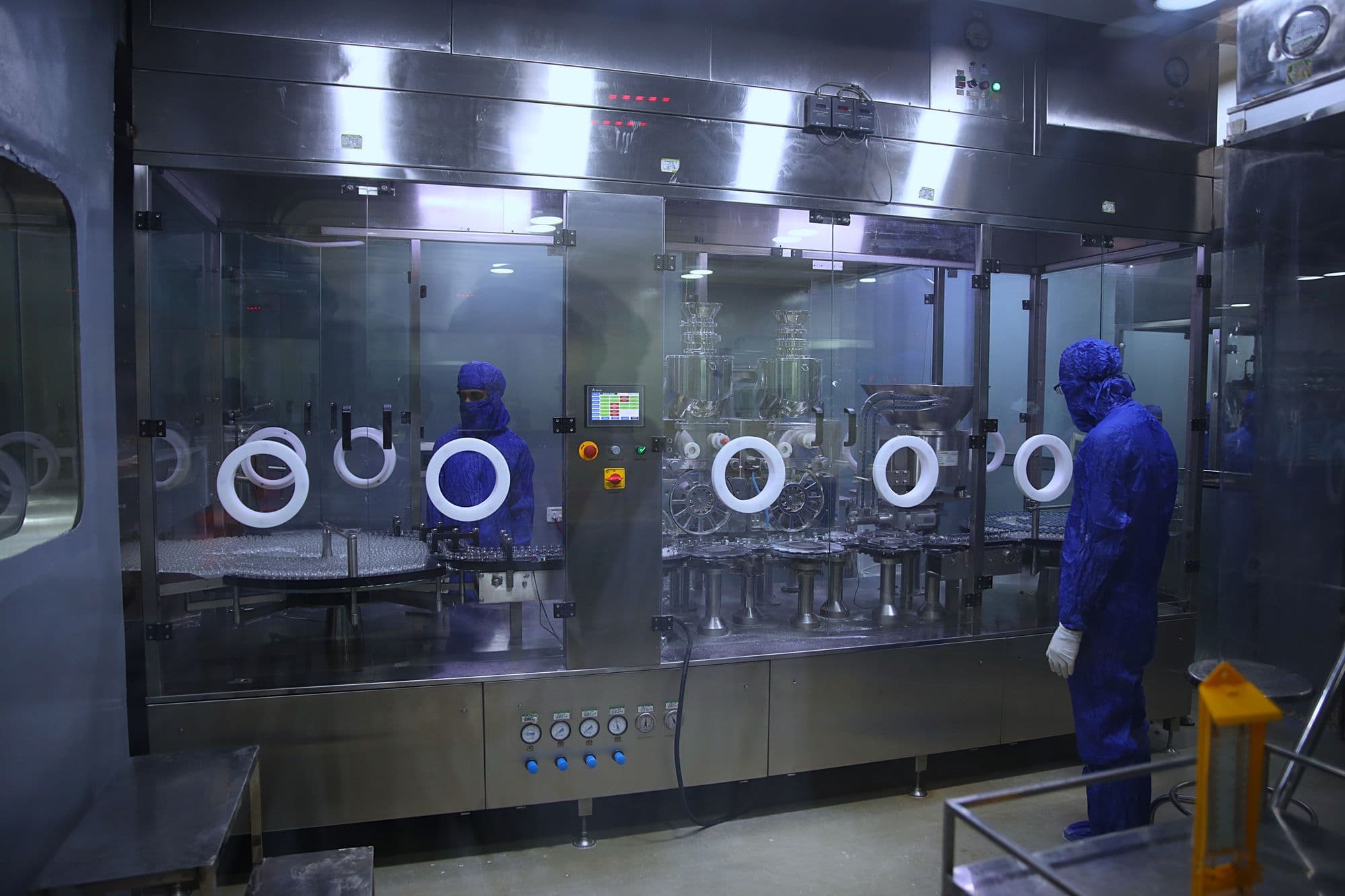
§1How big it is
India is the 3rd-largest pharma industry by volume and 11th by value; more than 3,000 companies and 10,500 manufacturing units
PIB backgrounder: India's Pharmaceuticals in Global Healthcare (21 Mar 2026)Annual turnover reached Rs 4.72 lakh crore in FY25 (Economic Survey 2025-26)
PIB backgrounder: India's Pharmaceuticals in Global Healthcare (21 Mar 2026)Pharma exports USD 30.5 billion (2024-25), up from USD 1.9 billion in 2000-01; domestic market USD 60 billion
PIB backgrounder: India's Pharmaceuticals in Global Healthcare (21 Mar 2026)
§2Ways to get started
- PCD pharma franchise / marketing company (third-party manufactured)
- Loan-licence manufacturing of a niche range
- Nutraceuticals (FSSAI-regulated, simpler)
- Ayurveda / AYUSH products (AYUSH licence)
- Pharma packaging and contract services (labels, blister foils)
§3Hubs and clusters
- Bulk drug parks approved in Andhra Pradesh, Gujarat and Himachal Pradesh
- Dewas, MP - pharmaceuticals (Town of Export Excellence)
- Baddi (HP), Hyderabad (Telangana), Ahmedabad-Vadodara (Gujarat), Vizag (AP) - well-known pharma clusters (not confirmed from a single official list)
§4Licences and registration
- Drug manufacturing licence (Form 25/28 etc.) from State Licensing Authority under Drugs & Cosmetics Act 1940 and Rules 1945
- GMP compliance under revised Schedule M
- WHO-GMP / COPP for exports; USFDA / EU approvals for regulated markets
- Drug sale (wholesale) licence for marketing / PCD firms
- SPCB consent - bulk drug (API) units are Red category; formulation units category per state list
- Narcotic / psychotropic licences if applicable (NDPS)
- Udyam Registration (MSME) - free, online, PAN + Aadhaar based
- GST registration (mandatory above turnover threshold or for inter-state supply / e-commerce sale)
- Shops & Establishment registration or Factory Licence (Factories Act / state rules) depending on size and power use
- Consent to Establish and Consent to Operate from the State Pollution Control Board - category (Red/Orange/Green/White) as per CPCB 2025 harmonised list; White category is exempt from consent
- IEC (Importer Exporter Code) from DGFT if you import or export
§5Regulators
- CDSCO / DCGI (central drug regulator)
- State Drug Licensing Authorities (manufacturing licences)
- NPPA (drug pricing under DPCO 2013)
- Department of Pharmaceuticals (schemes)
§6Government help
- PLI Scheme for Pharmaceuticals
- PLI Scheme for Bulk Drugs (KSMs/DIs/APIs)
- Scheme for Promotion of Bulk Drug Parks (Rs 1,000 crore central assistance per park)
- Strengthening of Pharmaceutical Industry (SPI) incl. RPTUAS (upgrade to revised Schedule M) and PTUAS
- PRIP - Promotion of Research and Innovation in Pharma MedTech
- Biopharma SHAKTI (Rs 10,000 crore, announced Budget 2026-27)
- Cross-sector schemes that also apply (detailed in the programmes file): Udyam benefits, PMEGP, PM Mudra Yojana, CGTMSE credit guarantee, Stand-Up India, MSE-CDP (cluster development), RAMP, MSME ZED and Lean certification, MSME Champions, TReDS, Startup India (SISFS seed fund, Fund of Funds, CGSS), RoDTEP, EPCG, Advance Authorisation, Districts as Export Hubs, ODOP (One District One Product)
§7For exports
- Pharmexcil - Pharmaceuticals Export Promotion Council
§8Pros and cons
Merits
- Large, export-oriented industry with a strong government support stack (2 PLIs, bulk drug parks, SPI) [PIB Mar 2026]
- PLI schemes have already avoided Rs 3,591 crore of API/KSM imports - domestic supply is improving [PIB Mar 2026]
- Marketing/PCD model allows entry without owning a plant
Demerits
- Revised Schedule M GMP raises capital cost for small manufacturers
- Price control (DPCO/NPPA) caps margins on scheduled drugs
- Dependence on Chinese KSMs/APIs for many molecules (import substitution still in progress)
- Long approval cycles for regulated export markets