

§1What this business is
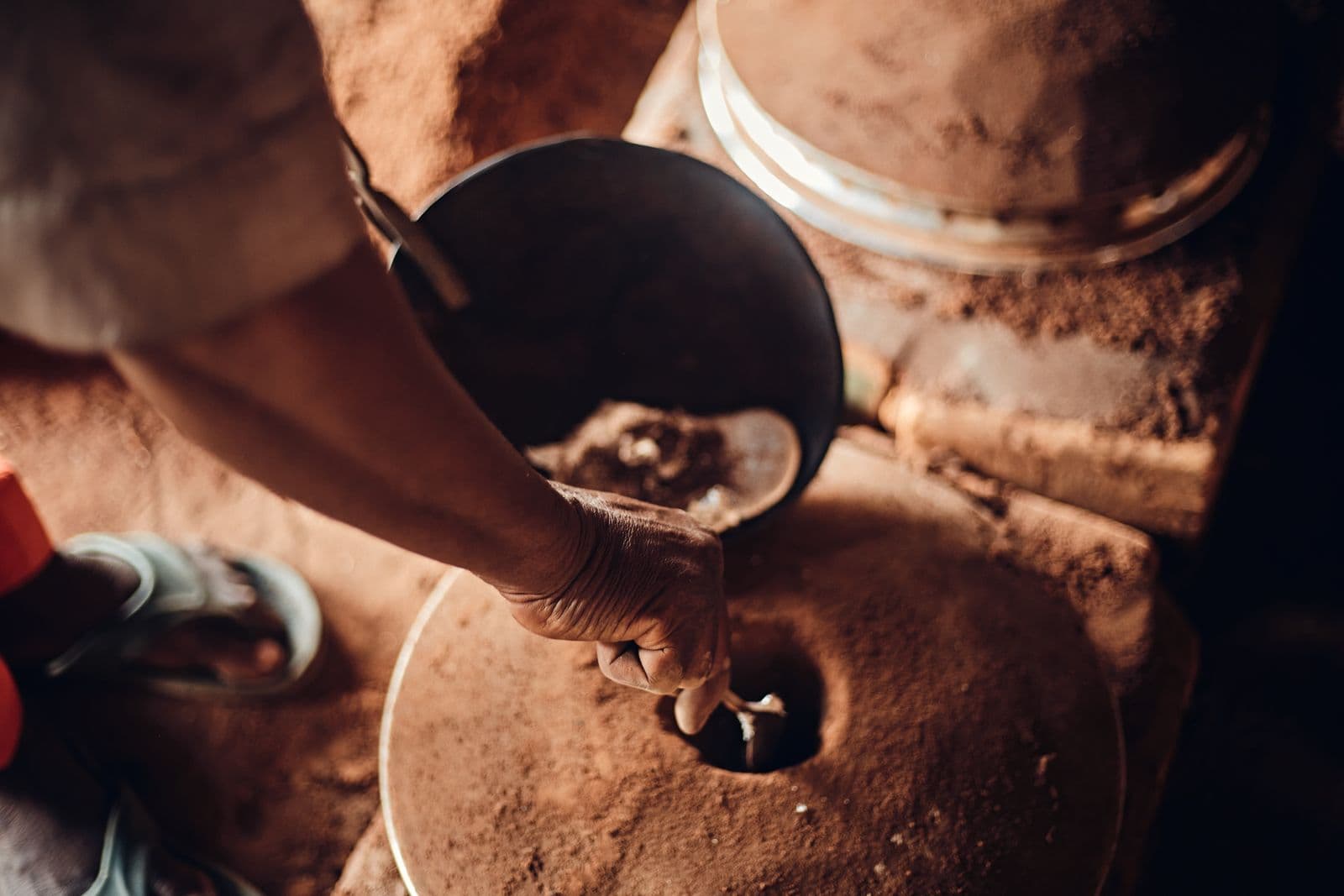
Harvested amaranth seed is pre-cleaned, de-stoned, passed over a magnet and a gravity separator, graded and packed by weight. The packed grain is sold for porridge, popped snacks, flour and fasting foods. All three reports use only seed and packing material as raw material.
Capacity: 600 kg a day, 10-hour shift (₹19.04 L report); 1,500 kg a day (₹23.54 L report). The ₹24.03 L report starts at 35% capacity.
§2Is it right for you?
Who it is for
Someone in a rajgira-growing area or with ties to FPOs and health-food packers.
Who it is not for
Someone who cannot buy seed at harvest and hold stock.
Advantages
- Simple dry process with no effluent
- Rising demand for high-protein and gluten-free grains
- Rajgira sells well in fasting seasons
- Fits food-processing schemes such as PMFME
Drawbacks
- Seed supply is seasonal and limited to some districts
- Net margin is thin in year 1 (about 4–6% of sales)
- Buyers expect clean, stone-free grain every time
- Needs working capital to stock seed after harvest
Skills you need
- Seed buying and grading
- Running cleaning and grading machines
- Food safety and packing
- Selling to wholesalers and health-food brands
Why difficulty 2/5: Simple machines and a dry process; buying seed at the right price is the main skill.
§3Market
Who buys
- Health-food and breakfast-cereal brands
- Grocery wholesalers and kirana shops
- Flour and snack makers
How it sells
- Wholesale in bulk bags
- Own brand in consumer packs
- Online grocery
Good to know
- The reports link demand to protein-rich, on-the-go foods and health awareness.
- Rajgira is also eaten on fasting days, which gives seasonal peaks.
§4Raw material & machinery
| Item | Qty | Cost |
|---|---|---|
| Seed cleaning machine | 1 | ₹3,50,000 |
| Seed de-stoner | 1 | ₹1,50,000 |
| Magnetic separator | 1 | ₹1,60,000 |
| Gravity separator | 1 | ₹1,25,000 |
| Packaging machine | 1 | ₹2,60,000 |
| Material handling (bins, trolleys, conveyor, silos, weighing machine, bucket elevator) | 1 lot | ₹4,00,000 |
| Gravity separator (larger unit) | 1 | ₹2,60,000 |
| Vibro sieves with two and three screens | 2 | ₹1,85,000 and ₹2,10,000 |
| Vibro de-stoner | 1 | ₹3,10,000 |
| Bucket elevators | 3 | ₹3,00,000 (₹1,00,000 each) |
| Aspiration system, cyclone, blower, rotary airlock | 1 each | ₹45,000, ₹32,000, ₹45,000, ₹30,000 |
From: PMEGP sample project report — Amaranthus Processing Unit (DPR) (prepared by Udyami/Samadhan) · PMEGP sample project report — Amaranthus Seed Processing Unit (prepared by Udyami/Samadhan)
- Harvested amaranth (rajgira) seedthe only processing raw material in all three reports; dried to 11–13% moisture for storage
- Packing materialbags or packs filled and sealed by weight
From: PMEGP sample project report — Amaranthus Processing Unit (prepared by Udyami/Samadhan) · PMEGP sample project report — Amaranthus Seed Processing Unit (prepared by Udyami/Samadhan)
§5Licences & registration
- FSSAI licence or registration
- Udyam
- GST
- Trademark for your brand (optional)
§6Schemes & subsidies
- PMEGPCentralActive15–35% subsidy
- PMFMECentralUnclear35% subsidy, up to ₹10 lakh
- CGTMSECentralActiveNo collateral, up to ₹10 crore
- MudraCentralActiveLoan up to ₹20 lakh, no collateral
- AIFCentralUnclear3% interest subvention, up to ₹2 crore
The reports were made for PMEGP. PMFME suits micro food units; AIF supports primary processing set up by farmers' groups and agri-entrepreneurs.
§7Money
How the investment is worked out: Three Samadhan reports: ₹19.04 L (plant & machinery ₹14.45 L, furniture ₹1.00 L, working capital ₹3.59 L); ₹23.54 L (plant & machinery ₹14.37 L, furniture ₹0.80 L, working capital ₹8.37 L); ₹24.03 L (plant & machinery ₹15.50 L, furniture ₹0.25 L, other assets ₹0.50 L, working capital ₹7.78 L). Land and building owned or rented in all three.
Working capital: Bank working capital ₹3.23 L, ₹7.53 L and ₹7.00 L in the three reports — 10 days of seed stock and 10–15 days of finished goods.
Years not printed on the reports — check current machinery prices.
§8Export potential
Confirm the HS code in the DGFT ITC(HS) lookup before you export
Export council / board: APEDA
- Amaranth is a pseudocereal; confirm its exact ITC(HS) line with DGFT or your customs broker.
- You need an Import Export Code (IEC) from DGFT before the first shipment.
§9Risks — where people fail
- Poor harvest raises seed price
- Stones or metal left in the packed grain
- Price competition from big packers
- Stock losses from pests or moisture
§1030 / 60 / 90-day plan
A general plan that applies to any business. A plan for this business will be added after research.
- Days 1–30: Visit a working amaranth (rajgira) seed processing unit, ask 10 buyers about price and quantity, and get quotations from 3 suppliers.
- Days 31–60: Udyam and the licences you need (FSSAI licence or registration, Udyam), a project report (DPR), and the scheme or loan file.
- Days 61–90: Space and machines, trial production, and first deliveries to 10 customers.
§11Who to connect with
Associations, clusters and training institutes — the directory is being built. Connect
§12Watch
There is no episode on this business yet. Shows are coming soon on the Podcast page.
Want to start Amaranth (Rajgira) Seed Processing?
DPR, loan file or registration — ask us on WhatsApp.
¶Sources
- PMEGP sample project report — Amaranthus Processing Unit (DPR) (prepared by Udyami/Samadhan)
- PMEGP sample project report — Amaranthus Processing Unit (prepared by Udyami/Samadhan)
- PMEGP sample project report — Amaranthus Seed Processing Unit (prepared by Udyami/Samadhan)
Data review: 6 October 2026. Spotted a mistake? Report it. For information only — not legal or financial advice.