

§1What this business is
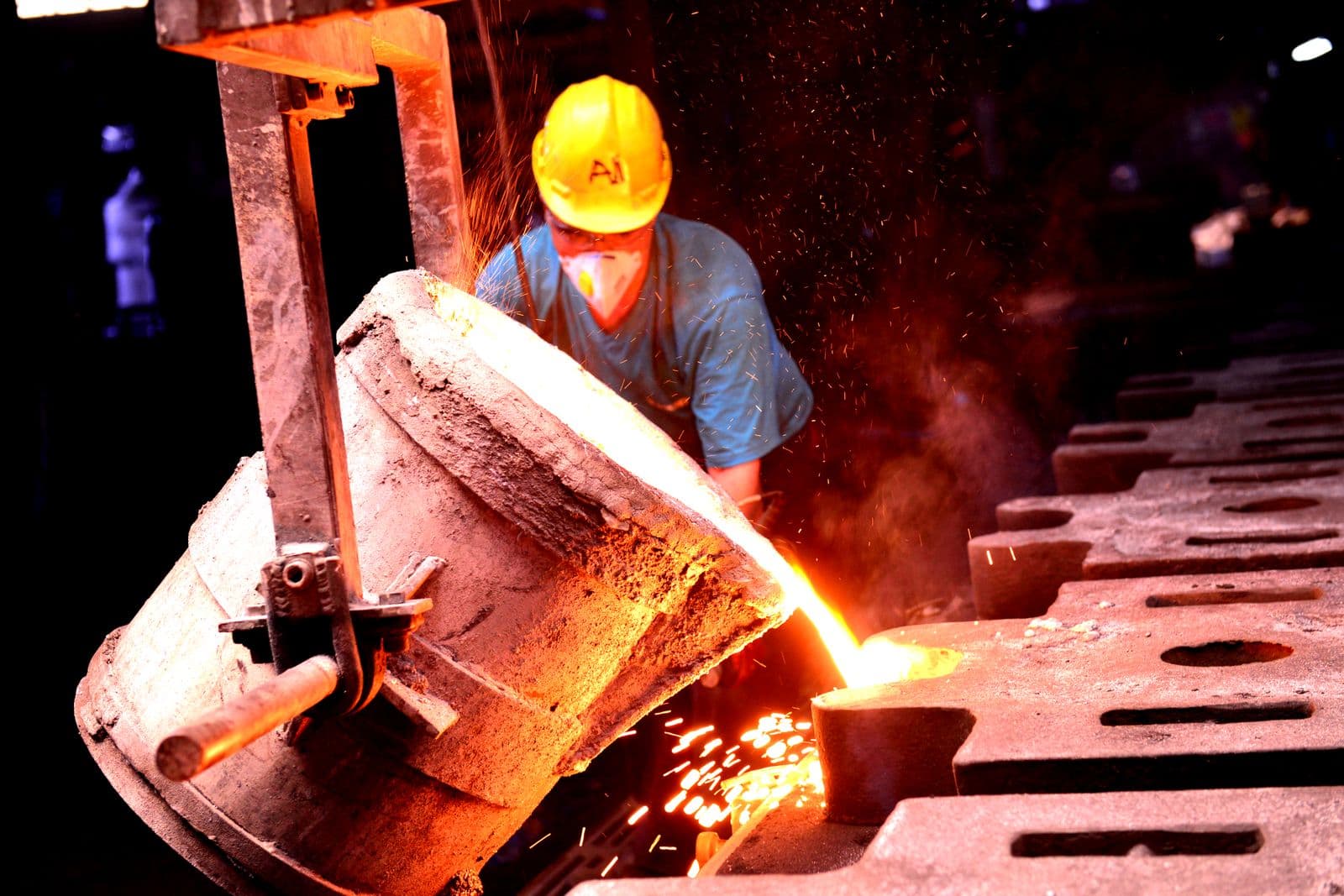
Pig iron and cast-iron scrap are melted in an induction furnace with alloying additions, poured into centrifugal casting machines to form tubes, then shot blasted, bored, ground and honed into finished liners. Liners are fitted into engine blocks so worn cylinders can be restored without replacing the block. Buyers are engine and vehicle makers, rebuilders, machine shops and spare-parts dealers. The report prices liners at ₹40–200 a kg.
Capacity: 300 tonnes of cast liners a year of assorted types.
§2Is it right for you?
Who it is for
Someone with foundry and auto-component experience, ideally a mechanical or metallurgical engineer, as the report advises.
Who it is not for
Someone without casting knowledge — metal composition and porosity decide whether liners last.
Advantages
- Steady replacement demand from engine rebuilding
- Cast-iron scrap is cheap (₹25–35 a kg in the report) and most in-house scrap is re-melted
- Moderate investment for a foundry-and-machining unit
- Can also supply two-wheeler and pump-engine makers
Drawbacks
- Year 1 is a loss in the report
- Induction furnace needs a heavy power connection
- Foundry work is hot, dusty and needs pollution control
- Electric vehicles will slowly shrink engine demand
Skills you need
- Cast-iron melting and alloy control
- Centrifugal casting
- Boring, grinding and honing
- Selling to rebuilders and dealers
Why difficulty 4/5: Foundry skill, pollution control and a loss-making first year.
§3Market
Who buys
- Engine and vehicle makers
- Engine rebuilders and machine shops
- Auto spare-parts dealers
How it sells
- Direct supply to OEMs and rebuilders
- Spare-parts distributors
Good to know
- The report notes India's vehicle production capacity of about 29 million in 2015, expected to grow past 48 million by 2020.
- About 6% wastage is allowed as most scrap is re-melted; unusable scrap sells at ₹15–18 a kg.
§4Raw material & machinery
| Item | Qty | Cost |
|---|---|---|
| Induction melting furnace for cast-iron alloys | 1 | ₹5,00,000 |
| Centrifugal casting machines | 4 | ₹2,40,000 |
| Cylindrical/internal grinding attachments | 2 | ₹1,20,000 |
| Honing machine | 1 | ₹80,000 |
| Shot blasting machine | 1 | ₹80,000 |
| Lathes with boring attachments | 3 | ₹3,00,000 |
| Drilling machine | 1 | ₹65,000 |
| Bench/flexible-shaft grinders | 2 | ₹60,000 |
| Moulds, tools and gauges | 1 lot | ₹1,50,000 |
| Electrical installation | 1 lot | ₹2,00,000 |
From: SIDBI Stand-Up Mitra project profile — Auto Cylinder Liners (2018) — private guide — confirm locally
- Pig iron and cast-iron scrap₹25–35 a kg by grade
- Alloying additives and fluxesadded during melting
- Aluminium alloysfor some small two-wheeler engines
From: SIDBI Stand-Up Mitra project profile — Auto Cylinder Liners (2018) — private guide — confirm locally
§5Licences & registration
- Udyam registration
- GST
- State Pollution Control Board consent to establish and operate (foundry)
- Factory licence
- Heavy power connection approval from the electricity board
- IEC code if you export
§6Schemes & subsidies
- PMEGPCentralActive15–35% subsidy
- MudraCentralActiveLoan up to ₹20 lakh, no collateral
- CGTMSECentralActiveNo collateral, up to ₹10 crore
- Stand-Up IndiaCentralClosed₹10 lakh – ₹1 crore loan
₹28.02 L fits PMEGP (manufacturing up to ₹50 L); the ₹15.90 L loan fits MUDRA (up to ₹20 L) and Stand-Up India (₹10 L–₹1 crore) for SC/ST and women founders; CGTMSE can guarantee it.
§7Money
How the investment is worked out: Plant and machinery ₹16.95 L (machines ₹14.45 L + moulds, tools and gauges ₹2.50 L), fixtures and electrical ₹2.75 L, preliminary expenses ₹1.50 L, working capital margin ₹6.82 L = ₹28.02 L. No land or building — premises rented.
Working capital: Gross working capital ₹13.77 L; margin ₹6.82 L, bank ₹6.95 L.
Prices from 2018 — machinery and building costs will be higher now.
§8Export potential
Export council / board: Not verified yet
- No HS code or export body has been checked against an official list yet.
§9Risks — where people fail
- Casting defects and rejections
- Scrap and power price rises
- Slow first-year sales
- Long-term fall in engine demand
§1030 / 60 / 90-day plan
A general plan that applies to any business. A plan for this business will be added after research.
- Days 1–30: Visit a working auto cylinder liner casting and machining unit, ask 10 buyers about price and quantity, and get quotations from 3 suppliers.
- Days 31–60: Udyam and the licences you need (Udyam registration, GST), a project report (DPR), and the scheme or loan file.
- Days 61–90: Space and machines, trial production, and first deliveries to 10 customers.
§11Who to connect with
Associations, clusters and training institutes — the directory is being built. Connect
§12Watch
There is no episode on this business yet. Shows are coming soon on the Podcast page.
Want to start Auto Cylinder Liner Casting and Machining?
DPR, loan file or registration — ask us on WhatsApp.
¶Sources
Data review: 6 October 2026. Spotted a mistake? Report it. For information only — not legal or financial advice.