

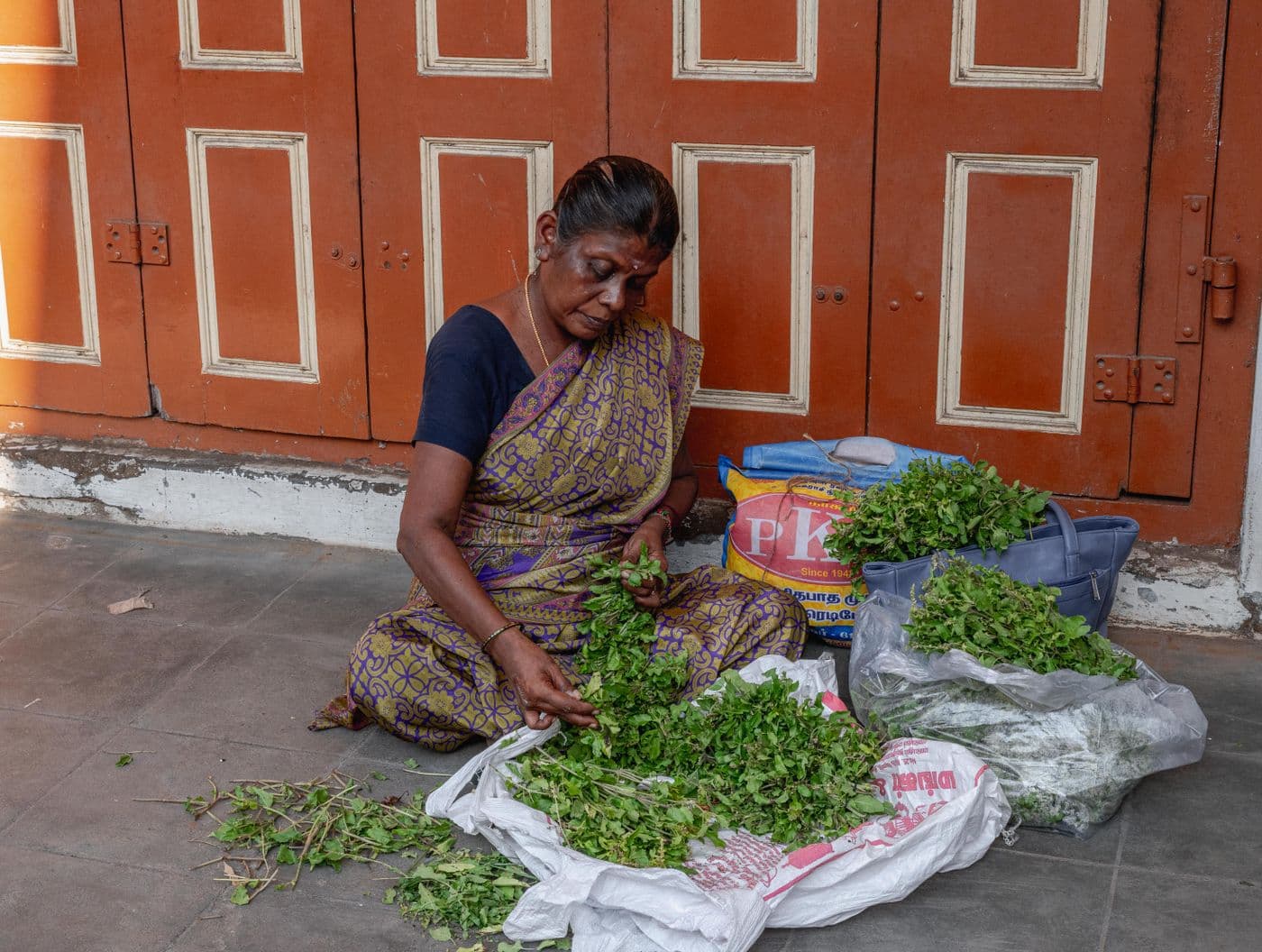
§1What this business is
Base oils (coconut, castor, sesame) are mixed with herbal extracts, perfume and colour in a stirred tank, left to settle, filtered, tested, filled into 100 ml and 200 ml bottles, sealed, labelled and packed. It is a simple, low-temperature process. Buyers are kirana and cosmetic shops, chemists and wholesalers.
Capacity: 100 litres a day, 30,000 litres a year: 1,50,000 bottles of 100 ml and 75,000 of 200 ml.
§2Is it right for you?
Who it is for
Someone with a sales network among shops and chemists, ideally with ayurvedic product knowledge.
Who it is not for
Someone who expects the product to sell itself without branding and distribution.
Advantages
- Hair oil is a mass-use product bought every month
- Simple mixing and filling — no heating or complex machines
- Herbal and ayurvedic products are in demand
- Can add more variants (amla, brahmi, almond) on the same line
Drawbacks
- Big brands dominate the shelf
- Selling and distribution take more effort than making
- Coconut oil price swings change the cost
- Needs a drug or cosmetic licence and a qualified chemist
Skills you need
- Formulation and quality testing
- Packaging and label design
- Retail distribution
- Licence and label compliance
Why difficulty 2/5: Simple to make; the challenge is licensing, branding and selling against big brands.
§3Market
Who buys
- Households — the report assumes about 80% of women and 50% of men use hair oil regularly
- Kirana, cosmetic and chemist shops
- Wholesalers
How it sells
- Distributors and wholesalers
- Direct supply to local shops
- Corrugated cartons of bottles
Good to know
- The report says the market is dominated by large brands; small units can compete only by selling at a clearly lower price.
- Its demand estimate is for the north-eastern region, where it sees room for over 50 tiny units of 30 tonnes a year.
§4Raw material & machinery
| Item | Qty | Cost |
|---|---|---|
| Mixing tank with stirrer, 50 kg capacity | 2 | — |
| Bottle washing machine | 1 | — |
| Bottle drier | 1 | — |
| Filling machine | 1 | — |
| PP cap sealing machine | 1 | — |
| Filtering equipment | 1 | — |
| Miscellaneous equipment (total plant and machinery for all items) | — | ₹6,50,000 |
From: PMEGP sample project report — Ayurvedic Oil (prepared by Udyami/Samadhan)
- Coconut oil24 tonnes a year at full capacity, ₹1,00,000 per tonne
- Castor oil5.1 tonnes a year, ₹30,000 per tonne as printed
- Perfume0.6 tonnes a year, ₹3,00,000 per tonne
- Oil-soluble colour0.3 tonnes a year, ₹24,000 per tonne
- Herbal extracts (amla, mehandi, brahmi, harar, baheda, kapurkachari, almond oil and others)used at 0.01–1%; amla extract costed as a lump sum
- Bottles, caps and corrugated boxespacking material
From: PMEGP sample project report — Ayurvedic Oil (prepared by Udyami/Samadhan)
§5Licences & registration
- Manufacturing licence from the state drug licensing authority (the report says there is no separate Indian Standard and advises consulting the drug controller)
- A qualified chemist for testing (advised in the report)
- Udyam registration
- GST registration
- Trademark for your brand
§6Schemes & subsidies
- PMEGPCentralActive15–35% subsidy
- MudraCentralActiveLoan up to ₹20 lakh, no collateral
- CGTMSECentralActiveNo collateral, up to ₹10 crore
PMEGP (the report was prepared for it; own share 10% general, 5% special category), MUDRA up to ₹20 L, CGTMSE for a collateral-free loan.
§7Money
How the investment is worked out: Building and civil work (1,500 sq ft) ₹3.00 L + plant and machinery ₹6.50 L + furniture ₹0.50 L + pre-operative ₹0.39 L + working capital ₹6.61 L = ₹17.00 L.
Working capital: Working capital ₹6.61 L (bank finance ₹5.95 L): 30 days of raw material and 30 days of finished stock.
Year not printed on the report — check current machinery and raw-material prices.
§8Export potential
Export council / board: Pharmexcil (for ayurvedic products)
- The project report prints no HS code; look up the 8-digit ITC(HS) line on the DGFT website or with a customs broker before exporting.
- You need an Import Export Code (IEC) from DGFT before the first shipment.
§9Risks — where people fail
- Competition from established brands
- Coconut oil price rise
- Licence or label non-compliance
- Unsold stock with retailers
§1030 / 60 / 90-day plan
A general plan that applies to any business. A plan for this business will be added after research.
- Days 1–30: Visit a working ayurvedic hair oil unit, ask 10 buyers about price and quantity, and get quotations from 3 suppliers.
- Days 31–60: Udyam and the licences you need (Manufacturing licence from the state drug licensing authority (the report says there is no separate Indian Standard and advises consulting the drug controller), A qualified chemist for testing (advised in the report)), a project report (DPR), and the scheme or loan file.
- Days 61–90: Space and machines, trial production, and first deliveries to 10 customers.
§11Who to connect with
Associations, clusters and training institutes — the directory is being built. Connect
§12Watch
There is no episode on this business yet. Shows are coming soon on the Podcast page.
Want to start Ayurvedic Hair Oil?
DPR, loan file or registration — ask us on WhatsApp.
¶Sources
Data review: 6 October 2026. Spotted a mistake? Report it. For information only — not legal or financial advice.