

§1What this business is
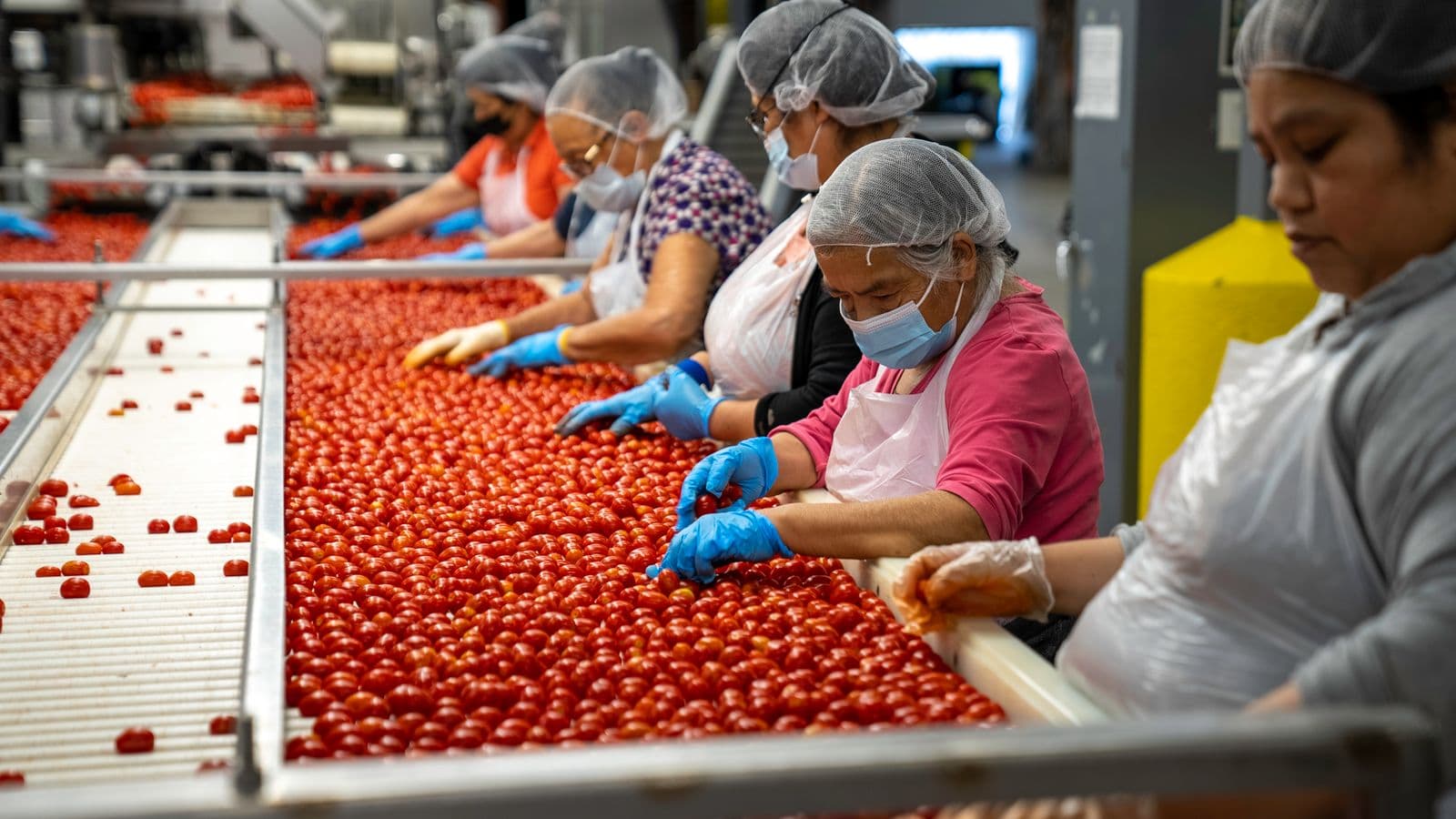
A pack house receives produce from farmers, removes damaged pieces, grades by size and quality, packs in crates or cartons and loads it for mandis, retailers or exporters. It earns a per-kilo or per-crate charge, or a trading margin. MIDH cost norms give two sizes: a simple pack house of 9 m × 6 m at ₹4 lakh, and an integrated pack house of 9 m × 18 m with conveyor belt, sorting, grading, washing, drying and weighing at ₹50 lakh.
§2Is it right for you?
Who it is for
A progressive farmer, FPO or produce trader in a fruit or vegetable belt.
Who it is not for
An area with scattered, small volumes of produce.
Advantages
- Graded and packed produce fetches a higher price
- Cuts losses between farm and market
- The simple unit costs only ₹4 lakh in the norm
Drawbacks
- Busy only in the harvest season of local crops
- Needs a steady flow of produce from many farmers
- Buyers must be tied up before the season
Skills you need
- Grading standards for the local crop
- Careful handling and packing
- Dealing with mandis, retailers and exporters
Why difficulty 3/5: Easy to build, harder to keep supplied and sold through the season.
§3Market
Who buys
- Mandi commission agents and wholesalers
- Supermarket and online grocery buyers
- Exporters
How it sells
- Job-work packing for farmers and traders
- Own trading of graded produce
Good to know
- MIDH lists pack houses as an add-on component of integrated post-harvest management projects with a project ceiling of ₹145 lakh.
§4Raw material & machinery
| Item | Qty | Cost |
|---|---|---|
| Pack house, 9 m × 6 m | 1 | ₹4,00,000 |
| Integrated pack house, 9 m × 18 m, with conveyor belt, sorting, grading, washing, drying and weighing | 1 | ₹50,00,000 |
From: National Horticulture Board — MIDH cost norms and pattern of assistance
- Fresh fruit and vegetablesfrom nearby farmers and FPOs
- Crates, cartons and packing materialbought from packaging suppliers
From: National Horticulture Board — MIDH cost norms and pattern of assistance
§5Licences & registration
- Udyam registration
- FSSAI registration or licence
- GST registration
- APEDA pack-house recognition if packing for export
Start it in your state
Pick your state: today’s cost, central + state subsidy, raw material, land and help, on one page.
§6Schemes & subsidies
- NHBCentralActive35% back-ended subsidy
- AIFCentralUnclear3% interest subvention, up to ₹2 crore
- CGTMSECentralActiveNo collateral, up to ₹10 crore
The MIDH norm gives 50% of the capital cost on the ₹4 lakh pack house, and a credit-linked back-ended subsidy of 35% (50% in hilly and scheduled areas) on the integrated pack house. The Agriculture Infrastructure Fund gives 3% interest subvention on such loans, and CGTMSE can cover the bank.
§7Money
How the investment is worked out: Min = MIDH cost norm for a pack house of 9 m × 6 m, ₹4 lakh per unit. Max = integrated pack house of 9 m × 18 m with conveyor, sorting, grading, washing, drying and weighing, ₹50 lakh per unit. Working capital is not included.
The cost norms were set for the XII Plan period and carry no year — today's building and equipment prices will be higher.
§8Export potential
Export council / board: APEDA
- Export of fresh fruit and vegetables goes through APEDA-recognised pack houses; the cost norms give no HS codes.
§9Risks — where people fail
- Price crash in a glut season
- Idle building for much of the year
- Rejections by buyers for poor grading
§1030 / 60 / 90-day plan
A general plan that applies to any business. A plan for this business will be added after research.
- Days 1–30: Visit a working pack house for fruits and vegetables unit, ask 10 buyers about price and quantity, and get quotations from 3 suppliers.
- Days 31–60: Udyam and the licences you need (Udyam registration, FSSAI registration or licence), a project report (DPR), and the scheme or loan file.
- Days 61–90: Space and machines, trial production, and first deliveries to 10 customers.
§11Who to connect with
§12Watch
There is no episode on this business yet. Shows are coming soon on the Podcast page.
Want to start Pack House for Fruits and Vegetables?
DPR, loan file or registration — ask us on WhatsApp.
¶Sources
Data review: 6 October 2026. Spotted a mistake? Report it. For information only — not legal or financial advice.