

§1What this business is
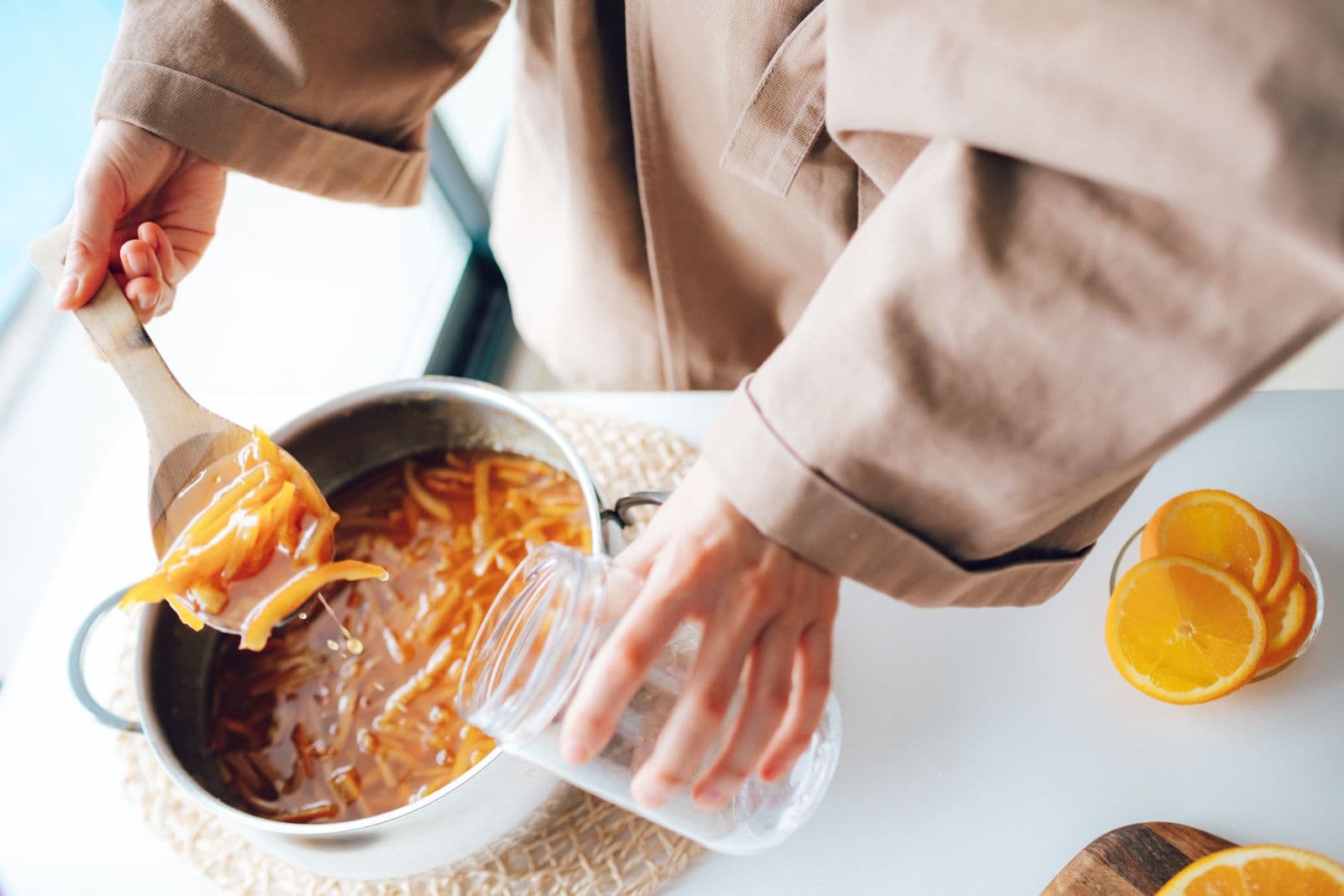
Kafal (Myrica esculenta) grows wild in the mid-Himalaya between 1,200 and 2,200 metres and has a sweet-sour taste, but the fresh fruit is seasonal and spoils fast. The unit buys fresh kafal from forest-side collectors, sorts and washes it, extracts pulp, and either mixes it with sugar syrup, pasteurises and bottles it as squash, or cooks it with sugar and pectin into jam and jelly. Packs planned are 750 ml squash, 250 g and 500 g jam, 200 g jelly and 500 ml syrup, sold to families, tourists, hotels and cafés.
Capacity: 60 tonnes of fresh kafal a year; the profile plans 60% use in Year 1 rising to 100% in Year 5.
§2Is it right for you?
Who it is for
A hill-based food processor or women's group with links to kafal collectors and tourist shops.
Who it is not for
Someone far from kafal-growing areas; the berry does not travel well.
Advantages
- A fruit found only in the Himalaya, with little competition
- Tourists buy it as a taste of the hills
- Gives forest-side collectors and women's groups a buyer
- Premium price for a natural Himalayan product
Drawbacks
- Fruit is available for only a few weeks a year
- Depends on wild collection, not farms
- Plant sits idle unless other fruits are processed
Skills you need
- Fruit pulping, Brix control and pasteurising
- Food safety and hygiene
- Organising seasonal collection
- Branding and selling to tourist and online markets
Why difficulty 3/5: Standard fruit processing, but a very short season and wild supply.
§3Market
Who buys
- Families and tourists
- Hotels, resorts, cafés and restaurants
- Corporate gift buyers
How it sells
- Tourist spots, government emporiums and airport souvenir shops
- Supermarkets and organic stores
- Online marketplaces and own website
Good to know
- Target states in the profile: Uttarakhand, Delhi NCR, Uttar Pradesh, Haryana, Punjab and Rajasthan.
§4Raw material & machinery
| Item | Qty | Cost |
|---|---|---|
| Fruit washer | — | ₹2.50 lakh |
| Sorting conveyor | — | ₹1.50 lakh |
| Pulper | — | ₹4.00 lakh |
| Steam kettle | — | ₹3.50 lakh |
| Mixing tank | — | ₹2.00 lakh |
| Pasteuriser | — | ₹3.50 lakh |
| Bottle filling machine | — | ₹4.00 lakh |
| Capping machine | — | ₹1.50 lakh |
| Labelling machine | — | ₹1.50 lakh |
| Laboratory equipment | — | ₹1.50 lakh |
| Generator | — | ₹2.00 lakh |
From: Uttarakhand DUY project profile — Kafal Fruit-Based Squash and Jam Manufacturing Unit
- Fresh kafal60 tonnes a year
- Sugar35 tonnes a year
- Citric acid, pectin and preservatives800 kg, 500 kg and 250 kg a year
- Bottles, labels and cartons1,20,000 bottles, 1,20,000 labels and 10,000 cartons a year
From: Uttarakhand DUY project profile — Kafal Fruit-Based Squash and Jam Manufacturing Unit
§5Licences & registration
- FSSAI licence
- Udyam registration
- GST registration
- Factory licence and fire NOC
- Pollution control consent
- Permission for collecting and moving forest produce where the state requires it
Start it in your state
Pick your state: today’s cost, central + state subsidy, raw material, land and help, on one page.
§6Schemes & subsidies
At ₹77.00 lakh the unit is above the PMEGP ceiling of ₹50 lakh. The profile names PMFME among its support routes; CGTMSE can cover the bank loan without collateral.
§7Money
How the investment is worked out: Land development and building ₹15.00 lakh + plant and machinery ₹28.50 lakh + electrical installation ₹3.00 lakh + furniture and office ₹2.00 lakh + laboratory ₹2.00 lakh + pre-operative expenses ₹2.50 lakh + marketing and branding ₹5.00 lakh + working capital margin ₹17.00 lakh + contingency ₹2.00 lakh = ₹77.00 lakh.
Working capital: Working capital margin ₹17.00 lakh. Fruit must be bought and paid for in the short picking season, while sales are spread over the year.
Year not printed on the DUY profile — check current prices before you buy equipment.
§8Export potential
Export council / board: APEDA
- The profile lists UAE, Canada, Australia, Germany, the United Kingdom and Singapore as countries with demand for Himalayan products.
- No HS code is given here — the profile prints none. Confirm the ITC(HS) line with DGFT or a customs broker.
- You need an Import Export Code (IEC) from DGFT before the first shipment.
§9Risks — where people fail
- A poor kafal season from weather or climate change
- Fruit spoiling before it reaches the unit
- Forest department rules on collecting wild produce
- Bottles fermenting from poor pasteurising
§1030 / 60 / 90-day plan
A general plan that applies to any business. A plan for this business will be added after research.
- Days 1–30: Visit a working kafal fruit squash and jam unit unit, ask 10 buyers about price and quantity, and get quotations from 3 suppliers.
- Days 31–60: Udyam and the licences you need (FSSAI licence, Udyam registration), a project report (DPR), and the scheme or loan file.
- Days 61–90: Space and machines, trial production, and first deliveries to 10 customers.
§11Who to connect with
§12Watch
There is no episode on this business yet. Shows are coming soon on the Podcast page.
Want to start Kafal Fruit Squash and Jam Unit?
DPR, loan file or registration — ask us on WhatsApp.
¶Sources
Data review: 6 October 2026. Spotted a mistake? Report it. For information only — not legal or financial advice.