

§1What this business is
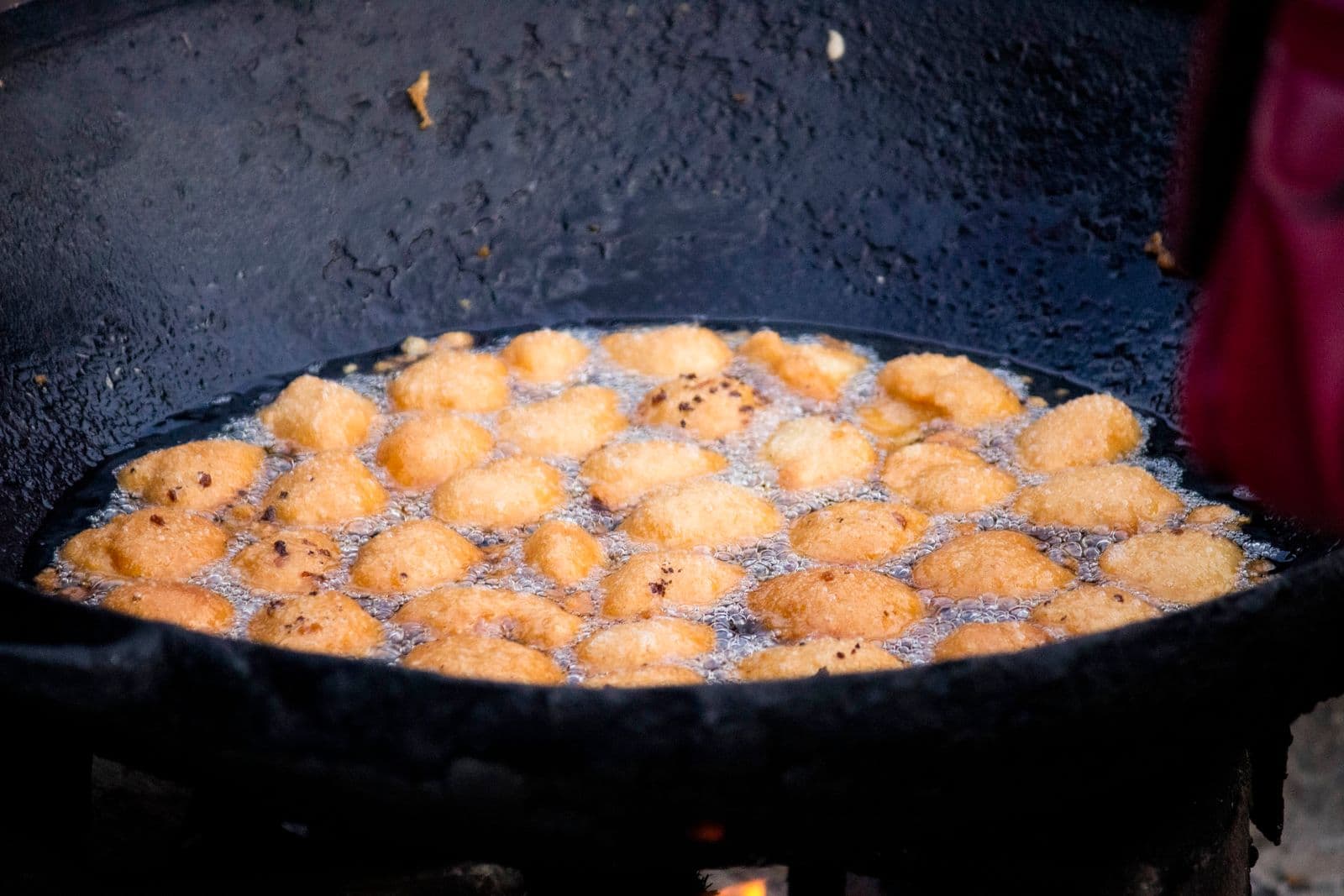
Cultivated and wild roots — pindalu (colocasia), sweet potato, suran (elephant foot yam), kachalu and local hill tubers — are washed, peeled, sliced, then fried in mustard oil or air- or solar-dried, seasoned and packed. Products are chips, mixed root crisps, dried slices for cooking, jaggery-coated roots and some flour. Sales go to local stores, tourist stalls, homestays, GMVN/KMVN outlets and online.
Capacity: Slicer of 30–50 kg/hour and dryer of 20–30 kg per batch; year 1 at 40–50% of capacity.
§2Is it right for you?
Who it is for
A food entrepreneur or SHG in the hills with links to tourist outlets and homestays.
Who it is not for
Someone who wants to compete on price with factory potato chips.
Advantages
- Roots are cheap and grow locally
- Chips are an easy, familiar snack format
- Gift combos sell well to tourists
- No cold storage needed after processing
Drawbacks
- Roots are seasonal (monsoon and autumn)
- Frying in oil needs strict hygiene and fresh oil
- Crowded snack shelf with big brands
- Consumers need to learn what kandmool is
Skills you need
- Peeling, slicing and frying or drying
- Seasoning and recipe work
- Food-safety and labelling
- Selling at tourist spots and online
Why difficulty 2/5: Simple processing and low cost; selling a new snack takes effort.
§3Market
Who buys
- Tourists and yatris
- Cafés, homestays, hotels and GMVN/KMVN outlets
- Wellness and organic shoppers
How it sells
- Tasting booths at haats, yatri niwas and fairs
- WhatsApp Business and Instagram storefront
- DUY/ODOP/PMFME stalls at trade fairs
Good to know
- The profile's revenue estimate is ₹47.5–55 lakh at scale, mostly from 100 g chips at ₹50.
§4Raw material & machinery
| Item | Qty | Cost |
|---|---|---|
| Root washer and peeler (manual/semi-auto) | — | ₹40,000–₹60,000 |
| Slicer (30–50 kg/hour) | — | ₹25,000–₹40,000 |
| Solar or electric dryer (20–30 kg/batch) | — | ₹80,000–₹1,50,000 |
| Deep fryer, SS body (20–30 L) | — | ₹50,000–₹80,000 |
| Seasoning drum (manual/motorised) | — | ₹15,000–₹30,000 |
| Vacuum packing machine | — | ₹30,000–₹60,000 |
| Label printing / stamping tool | — | ₹10,000–₹15,000 |
From: Uttarakhand DUY project profile — KANDMOOL (Root-Based Snack) Processing
- Pindalu, sweet potato, suran, kachalu, yam and hill tubersfrom SHGs, forest groups and farmers in season
- Mustard oil, jaggery, salt and spicesfrying and flavouring
- Lemon or tamarindnatural preservatives
- Paper pouches, jute packs, resealable PET containerspacking
From: Uttarakhand DUY project profile — KANDMOOL (Root-Based Snack) Processing
§5Licences & registration
- FSSAI licence
- Udyam registration
- GST registration
- Legal Metrology packaged-commodity registration
§6Schemes & subsidies
- PMFMECentralUnclear35% subsidy, up to ₹10 lakh
- PMEGPCentralActive15–35% subsidy
- MudraCentralActiveLoan up to ₹20 lakh, no collateral
- CGTMSECentralActiveNo collateral, up to ₹10 crore
The profile names PMFME/DUY subsidy, MUDRA and PMEGP loans; CGTMSE gives collateral-free cover.
§7Money
How the investment is worked out: DUY profile cost ₹10,50,000–₹13,50,000: equipment ₹3.5–5 lakh, infrastructure ₹2–2.5 lakh, packaging and branding ₹1–1.5 lakh, first-year working capital ₹4–4.5 lakh. Finance: own ₹2–3 lakh, bank/MUDRA/PMEGP loan ₹5–7 lakh, DUY/PMFME subsidy of 35–50% (up to ₹5 lakh).
Working capital: ₹4–4.5 lakh for year 1 — salaries, roots, oil and spices.
Year not printed on the DUY profile — check current machinery and material prices.
§8Export potential
Export council / board: APEDA
- Root chips and dried slices may fall under different headings; confirm the code on the DGFT site before exporting.
§9Risks — where people fail
- Rancid oil and short shelf-life
- Seasonal root shortage
- Low awareness of the product
- Packaging cost eating margin
§1030 / 60 / 90-day plan
A general plan that applies to any business. A plan for this business will be added after research.
- Days 1–30: Visit a working kandmool (hill root) snacks unit, ask 10 buyers about price and quantity, and get quotations from 3 suppliers.
- Days 31–60: Udyam and the licences you need (FSSAI licence, Udyam registration), a project report (DPR), and the scheme or loan file.
- Days 61–90: Space and machines, trial production, and first deliveries to 10 customers.
§11Who to connect with
Associations, clusters and training institutes — the directory is being built. Connect
§12Watch
There is no episode on this business yet. Shows are coming soon on the Podcast page.
Want to start Kandmool (Hill Root) Snacks?
DPR, loan file or registration — ask us on WhatsApp.
¶Sources
Data review: 6 October 2026. Spotted a mistake? Report it. For information only — not legal or financial advice.