

§1What this business is
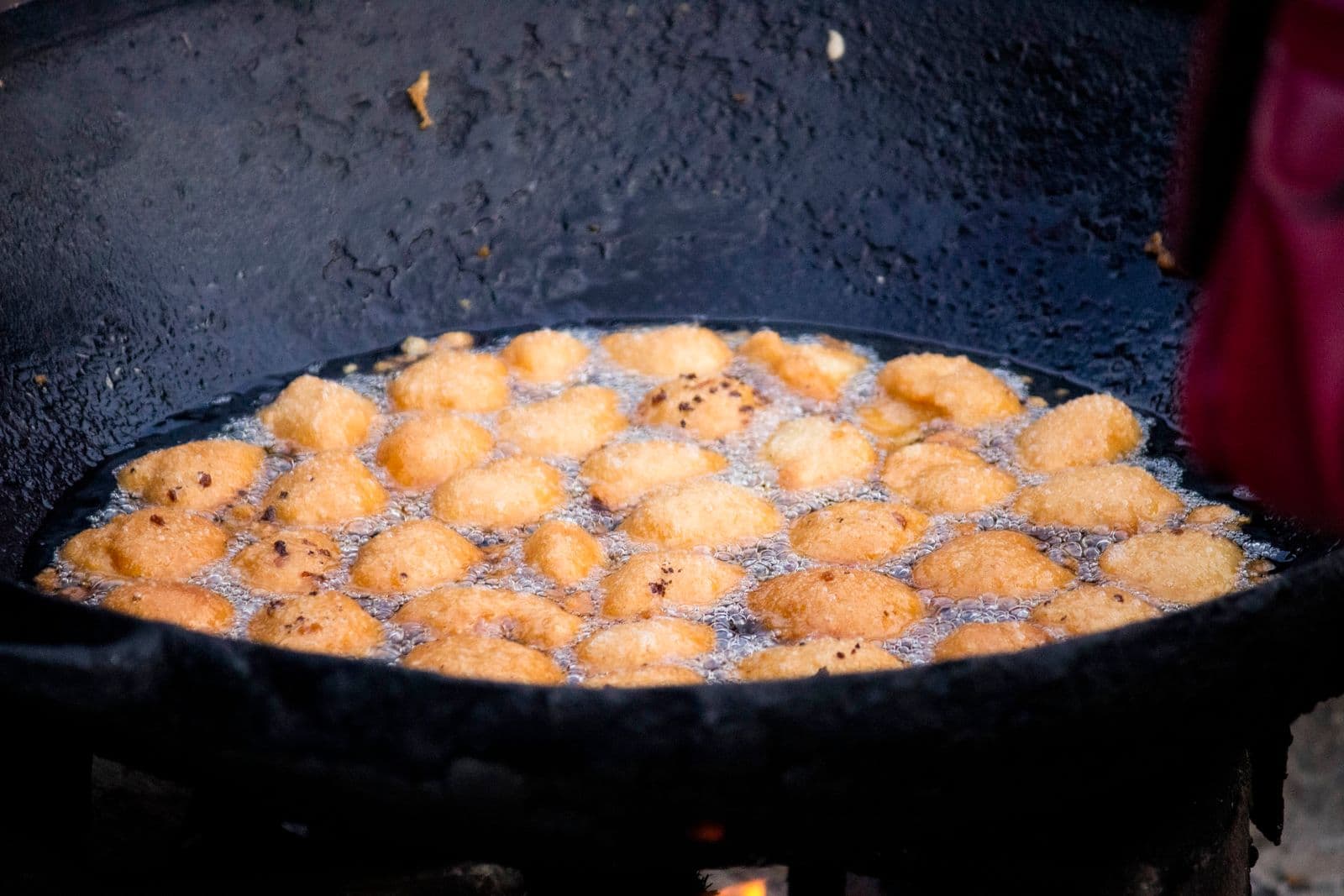
Maida, starch and soda bicarbonate (with edible colour) are blended dry in a vertical powder mixer, kneaded with boiling water so the starch gels, extruded into shapes and dried on trays into hard, shelf-stable pellets. Shops, snack makers and households fry the pellets, which puff into crunchy snacks. You can sell plain pellets in bags, ready-to-eat fried and seasoned packs (which earn more, per the profile), or fresh wet pellets to local snack shops. The SIDBI profile plans 150 tonnes a year.
Capacity: 150 tonnes a year; year 1 at 60%.
§2Is it right for you?
Who it is for
Someone in the namkeen or snack trade who can sell to fryers and shops in bulk.
Who it is not for
Someone expecting quick profit — the profile shows thin margins and two loss years.
Advantages
- Simple process with low-cost machines (₹6.00 L)
- Dry pellets keep for months and travel cheaply
- Sold to snack shops, namkeen makers and households
- Same unit can make plain, seasoned or wet pellets
Drawbacks
- Thin margin — raw materials take about 87% of sales
- Losses in the first two years in the profile
- Many small local makers compete on price
- Pellets crack or puff badly if drying is uneven
Skills you need
- Recipe and moisture control
- Extrusion and drying
- Food hygiene and packing
- Selling to snack shops and namkeen makers
Why difficulty 2/5: Easy process and small machines, but thin margins.
§3Market
Who buys
- Local snack shops and fryers
- Namkeen makers
- Households
How it sells
- Wholesalers and kirana shops
- Direct bulk supply to fryers
- Fresh wet pellets to nearby snack shops
Good to know
- The profile says ready-to-eat seasoned pellets earn more than plain ones.
- The profile sees demand in both urban and rural areas.
§4Raw material & machinery
| Item | Qty | Cost |
|---|---|---|
| Vertical powder mixer | 1 | ₹1.00 lakh |
| Dough mixer | 1 | ₹0.80 lakh |
| Pellet extruder unit | 1 | ₹1.50 lakh |
| Weighing scales | 1 | ₹0.50 lakh |
| Wooden drying trays | 1 set | ₹0.30 lakh |
| Water boiler | 1 | ₹0.80 lakh |
| Other machines and equipment | lump sum | ₹1.10 lakh |
From: SIDBI Stand-Up Mitra project profile — Extruded Pellets from Maida for Frying (2018) — private guide — confirm locally
- Maida (refined wheat flour) and starchmain ingredients, available locally
- Soda bicarbonate and permitted edible colourblended in the dry mix
- Custard powder and refined vegetable oilnamed in the profile's raw-material list
- Polythene bags, labels and cartonspacking
From: SIDBI Stand-Up Mitra project profile — Extruded Pellets from Maida for Frying (2018) — private guide — confirm locally
In our raw material database
§5Licences & registration
- FSSAI licence or registration (by turnover)
- Udyam registration
- GST registration
- State Pollution Control Board consent where required
- Legal Metrology registration for retail packs
- Trade licence from the local body
§6Schemes & subsidies
- PMFMECentralUnclear35% subsidy, up to ₹10 lakh
- PMEGPCentralActive15–35% subsidy
- MudraCentralActiveLoan up to ₹20 lakh, no collateral
- CGTMSECentralActiveNo collateral, up to ₹10 crore
PMFME gives a 35% credit-linked subsidy up to ₹10 L for a micro food unit; PMEGP fits a ₹19.10 L manufacturing project; MUDRA (Tarun) covers up to ₹20 L; CGTMSE for a loan without collateral.
§7Money
How the investment is worked out: Plant and machinery ₹6.00 L + furniture and electrification ₹0.50 L + preliminary and pre-operative ₹0.60 L + margin for working capital ₹12.00 L = ₹19.10 L. No land or building (premises rented).
Working capital: Margin for working capital ₹12.00 L. Finance: owner ₹4.78 L, bank ₹14.33 L.
SIDBI Stand-Up Mitra profile, uploaded in 2018 (no year printed on it) — prices will be higher now; check current costs.
§8Export potential
Confirm the HS code in the DGFT ITC(HS) lookup before you export
Export council / board: APEDA
- Confirm the 8-digit ITC(HS) line with DGFT or your customs broker before shipping.
- You need an Import Export Code (IEC) from DGFT before the first shipment.
§9Risks — where people fail
- Maida and oil price rises
- Damp weather slowing drying and spoiling stock
- Price competition from local makers
- Use of non-permitted colours leading to food-safety action
§1030 / 60 / 90-day plan
A general plan that applies to any business. A plan for this business will be added after research.
- Days 1–30: Visit a working maida snack pellets (fry-and-eat fryums) unit, ask 10 buyers about price and quantity, and get quotations from 3 suppliers.
- Days 31–60: Udyam and the licences you need (FSSAI licence or registration (by turnover), Udyam registration), a project report (DPR), and the scheme or loan file.
- Days 61–90: Space and machines, trial production, and first deliveries to 10 customers.
§11Who to connect with
Associations, clusters and training institutes — the directory is being built. Connect
§12Watch
There is no episode on this business yet. Shows are coming soon on the Podcast page.
Want to start Maida Snack Pellets (Fry-and-Eat Fryums)?
DPR, loan file or registration — ask us on WhatsApp.
¶Sources
Data review: 6 October 2026. Spotted a mistake? Report it. For information only — not legal or financial advice.