

§1What this business is
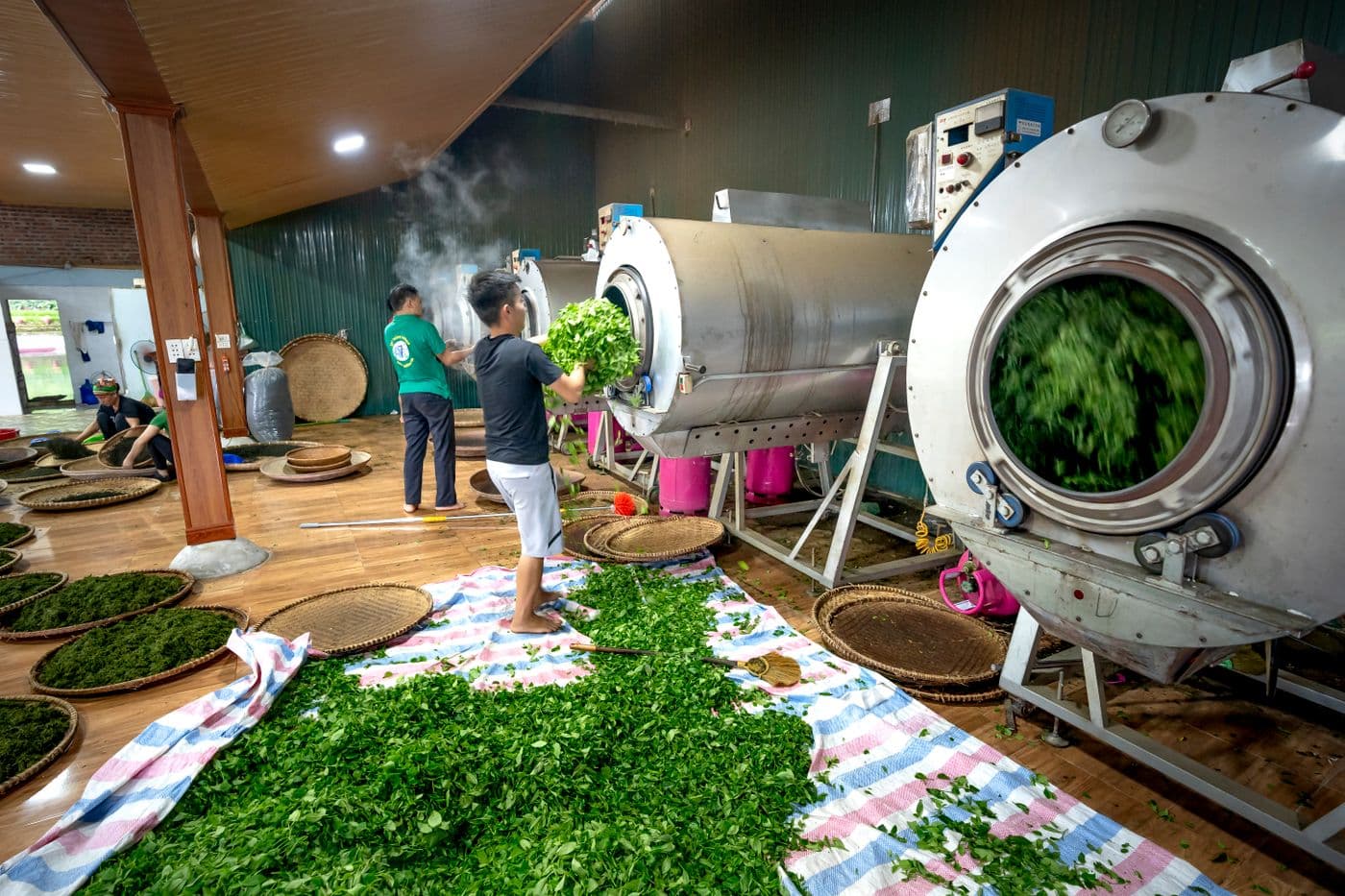
The unit cleans, roasts, grinds and sieves whole spices into a masala tea powder that people add to their tea. The report's blend is cardamom 30%, dry ginger 30%, cinnamon 20%, black pepper 10% and cloves 10%, packed in poly bags and cartons. Buyers are households through shops, tea stalls and tea chains.
Capacity: 50 kg an hour on one 8-hour shift; year 1 planned at 30% of capacity.
§2Is it right for you?
Who it is for
Someone who knows the spice trade or already has shops and distributors for packed food.
Who it is not for
Someone who cannot spend time and money on branding and shop-to-shop selling.
Advantages
- Chai is drunk in almost every home, all year
- Simple process: clean, roast, grind, sieve and pack
- Small space and a 5–6 month start-up
- Can sell loose to tea stalls or packed under your own brand
Drawbacks
- Cardamom and other spices are costly and their prices swing
- Raw material takes about 70% of sales in the report, so margins are thin
- Many big spice brands already sell chai masala
- Aroma fades if grinding or packing is poor
Skills you need
- Buying and grading spices
- Keeping the blend and taste the same every batch
- Clean grinding and packing
- Selling to shops and distributors
Why difficulty 2/5: Simple process and small machines; the hard part is selling against big brands.
§3Market
Who buys
- Households, through kirana and grocery shops
- Tea stalls and tea-and-snack chains
- Office and college canteens
How it sells
- Wholesalers and distributors of packed spices
- Retail shops under your own brand
- Online marketplaces
Good to know
- The report notes masala chai is a common drink in homes and is served to visitors.
- It also notes the growth of tea chains on office and college campuses.
§4Raw material & machinery
- Cardamom30% of the blend
- Dry ginger (sonth)30% of the blend
- Cinnamon20% of the blend
- Black pepper10% of the blend
- Cloves10% of the blend
- Poly bags and cardboard boxespacking material named in the report
From: PMEGP sample project report — Masala Tea (prepared by Udyami/Samadhan)
Suppliers in Building Business Bazaar
Quality Control Laboratory, Tea Board India, Siliguri · Siliguri →TLABS, Tea Research Association, Kolkata · Kolkata →Tlabs, Tea Research Association, Tocklai Tea Research Institute, Jorhat · Jorhat →
In our raw material database
§5Licences & registration
- FSSAI licence or registration
- Udyam registration
- GST registration
- Legal Metrology registration for packed goods
- Trademark for your brand (optional)
§6Schemes & subsidies
- PMEGPCentralActive15–35% subsidy
- PMFMECentralUnclear35% subsidy, up to ₹10 lakh
- MudraCentralActiveLoan up to ₹20 lakh, no collateral
- CGTMSECentralActiveNo collateral, up to ₹10 crore
PMEGP (the report is a PMEGP sample), PMFME for small food processors, MUDRA (cost is under ₹20 lakh) and CGTMSE for loans without collateral.
§7Money
How the investment is worked out: Report: plant & machinery ₹10.09 lakh, miscellaneous assets ₹0.50 lakh, furniture ₹0.50 lakh, working capital ₹7.22 lakh = ₹18.31 lakh. Land own or rented (not costed).
Working capital: Working capital ₹7.22 lakh, of which bank limit ₹6.50 lakh; 10 days of raw material and 10 days of finished stock.
Year not printed on the report — check current machinery prices.
§8Export potential
Confirm the HS code in the DGFT ITC(HS) lookup before you export
Export council / board: Spices Board India
- Confirm the 8-digit ITC(HS) line with DGFT or your customs broker.
- You need an Import Export Code (IEC) from DGFT before the first shipment.
§9Risks — where people fail
- Sharp rises in cardamom and pepper prices
- Quality or adulteration complaints
- Moisture and loss of aroma in storage
- Competition from big brands
§1030 / 60 / 90-day plan
A general plan that applies to any business. A plan for this business will be added after research.
- Days 1–30: Visit a working masala tea (chai masala) unit unit, ask 10 buyers about price and quantity, and get quotations from 3 suppliers.
- Days 31–60: Udyam and the licences you need (FSSAI licence or registration, Udyam registration), a project report (DPR), and the scheme or loan file.
- Days 61–90: Space and machines, trial production, and first deliveries to 10 customers.
§11Who to connect with
Associations, clusters and training institutes — the directory is being built. Connect
§12Watch
There is no episode on this business yet. Shows are coming soon on the Podcast page.
Want to start Masala Tea (Chai Masala) Unit?
DPR, loan file or registration — ask us on WhatsApp.
¶Sources
Data review: 6 October 2026. Spotted a mistake? Report it. For information only — not legal or financial advice.